

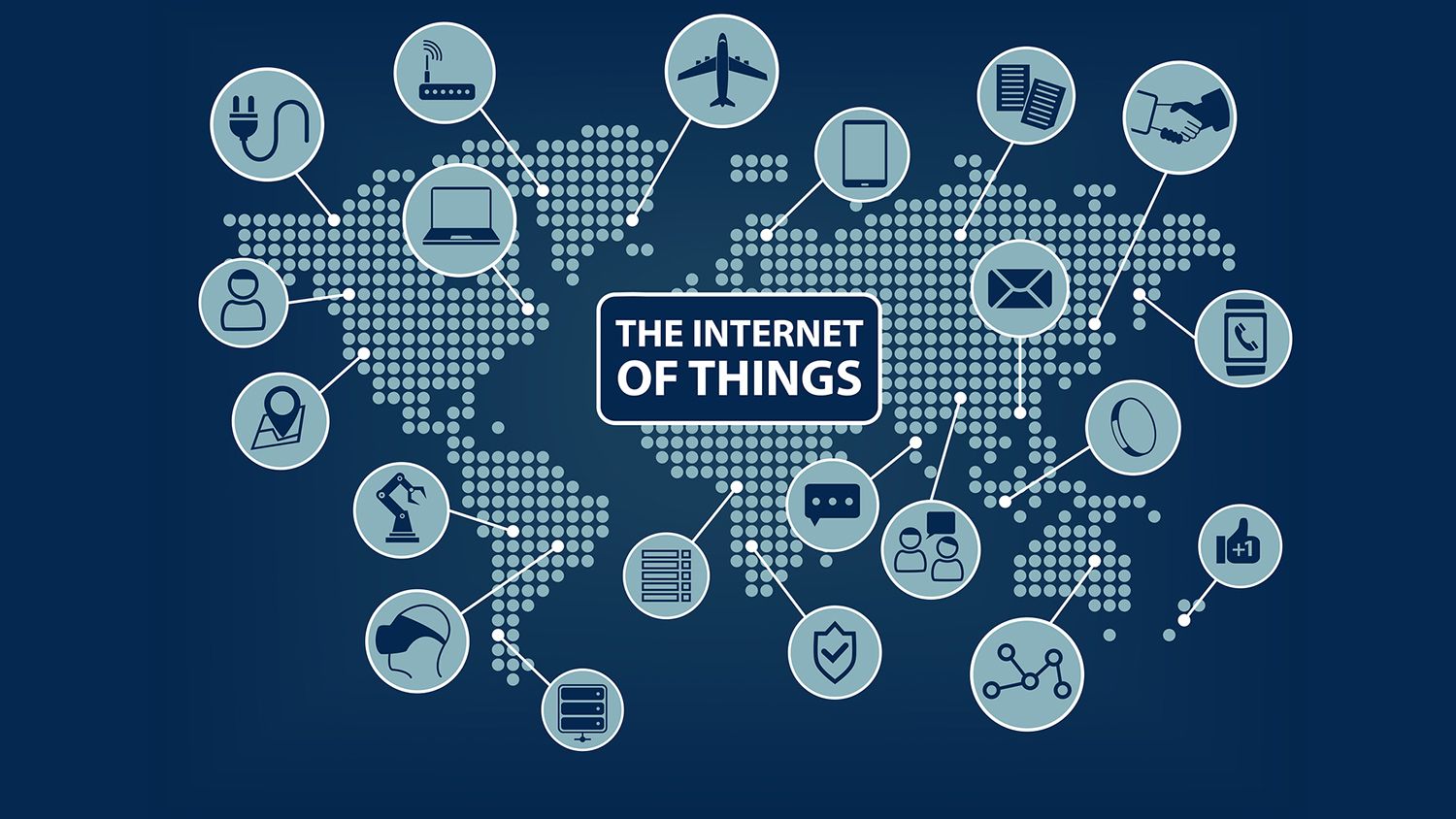
In today’s dynamic industrial environment, business continuity extends far beyond traditional backup systems and recovery protocols. It now hinges on an organization’s capacity for early disruption detection, real-time response, and sustained operational stability amidst adversity. This is precisely where the strategic value of an IoT platform emerges as a critical enabler.
Disconnected systems inherently amplifies risk. When operational data remains fragmented across disparate tools and departmental silos, critical early warning signals often go unnoticed, and response times inevitably lag. IoT platforms address this by unifying data streams from assets, plants, and processes, fostering a comprehensive, real-time operational view. This integration facilitates earlier identification of issues, enhances decision-making capabilities, and enables disruptions to be contained proactively, preventing their escalation into larger crises.
A significant advantage of IoT platforms lies in their ability to standardize and ensure repeatability across enterprise operations. By enforcing consistent approaches to connectivity, security, and workflows, these platforms diminish reliance on individual expertise, streamline incident response, and allow for the consistent execution of proven recovery playbooks across all sites. Consequently, business continuity transcends a mere contingency plan; it becomes intrinsically woven into the fabric of daily operations.
In an era characterized by pervasive uncertainty, the ability to maintain continuity transforms into a powerful competitive differentiator. Organizations that strategically invest in IoT platforms are not merely preparing for potential disruptions; they are actively constructing operational frameworks that remain stable, predictable, and controllable, irrespective of fluctuating conditions. This proactive approach is what delineates resilient enterprises from those that remain vulnerable and fragile.
The Foundations of Resilient IoT Infrastructure
Building a truly resilient IoT infrastructure is paramount for safeguarding business continuity. It demands a holistic approach that integrates robustness, intelligence, and adaptability at every layer of the system. In essence, it’s about engineering a system that doesn’t just react to failures but anticipates, mitigates, and recovers from them seamlessly.
Understanding the Volatility of Connected Ecosystems
The IoT landscape, initially propelled by immense optimism and the promise of vast new opportunities, has matured into a more competitive and, at times, volatile environment. The notion of a “forever platform” has proven illusory, with many ecosystems failing to achieve sustainable business models or being acquired and subsequently shuttered. This inherent instability necessitates that modern IoT architects design systems capable of detaching and re-connecting with the same ease as their initial setup.
Recent platform failures, such as Gigaset’s smart-home cloud and Amazon Echo Connect, starkly illustrate the consequence of vendor lock-in and the absence of planned exit strategies. In these cases, functional hardware was rendered useless due to the disappearance of their cloud-dependent intelligence or proprietary network infrastructure. The collapse of Sigfox, a pioneer in LPWAN, further underscored the risks of binding hardware to a single network operator, leading to costly physical replacements for entire device fleets.
These incidents highlight a crucial lesson: true stability in the IoT realm stems from data ownership and the inherent ability to migrate that data anytime, anywhere. Without this foundational control, even robust deployments remain vulnerable to sudden and unforeseen failures.
Overcoming Vendor Lock-In
Vendor lock-in is frequently a deliberate business strategy, designed to make the cost of switching providers prohibitively high. This strategy often manifests across three architectural layers:
- Data Lock-in: Data is confined to proprietary formats or dashboards, lacking comprehensive bulk export capabilities.
- Logic Lock-in: Critical rules, triggers, and automations are embedded within vendor-specific engines, making migration difficult or impossible.
- Identity Lock-in: Devices rely on the vendor’s certificate authority, preventing re-provisioning without physical access.
To counter these challenges, a “pre-nup” mindset is essential. Instead of assuming perpetual vendor relationships, organizations must proactively design systems that facilitate clean, controlled, and cost-effective separation. This approach ensures autonomy within a volatile ecosystem.
The EU Data Act 2025, effective September 2025, mandates that companies provide users with access to data generated by connected devices in a structured, machine-readable, and commonly used format. This legislation directly targets vendor lock-in, making compliance no longer optional for global companies adhering to EU standards.
The Gold Standard for Data Export and API Access
For long-term data resilience, robust export capabilities are critical. While CSV files are useful for quick views, JSON stands out for full-fidelity exports, accurate backups, and seamless migrations. JSON’s ability to handle nested items, lists, and defined data types ensures that all asset details, history, files, and locations remain intact. Most modern APIs and databases natively support JSON, simplifying data loading and mapping with fewer errors compared to CSV. The ideal exit strategy includes a “Full Inventory Download,” a comprehensive package encompassing both CSV and JSON, alongside an offline HTML viewer for critical data access during vendor shutdowns.
Beyond static exports, API access provides ongoing, real-time data access, enabling gradual migrations rather than disruptive, all-at-once transitions. RESTful APIs are the de facto standard for IoT systems due to their efficiency and compatibility with modern web and mobile applications. A reliable API should offer:
- Support for common HTTP methods (GET, POST, PUT, DELETE) and standard response codes (200, 404).
- The ability to pull or update individual items, avoiding the need to download entire databases.
- Granular data requests, allowing for piecemeal system migration.
The Imperative of Immutable Audit Trails
Platform migrations often disrupt the chain of custody for operational data, raising concerns about data integrity and potential alterations. Immutable audit trails are the solution, providing an unalterable history of all system events up to the point of data export. This immutability ensures that every entry is permanently secured, even from administrators or malicious actors. Tamper-proof logs are vital for compliance with regulations like HIPAA, PCI-DSS, and SOX. NIST IR 8259A also recommends maintaining secure records of device access for future audits in IoT environments.
Key Architectural Qualities for Business Continuity
To maintain operational stability, IoT systems must embody a set of core architectural qualities. These qualities are not merely technical specifications; they are strategic imperatives that underpin an organization’s ability to withstand disruptions and ensure continuous operation.
Performance: Velocity and Predictability
In IIoT systems, high-performance connectivity is critical. This spans a broad spectrum, from sub-millisecond control loops to daily or monthly supervisory analysis. Key metrics include:
- Latency: The time taken for data transfer from source to destination. Low latency is essential, as IoT data often has a limited useful lifetime.
- Jitter: The variation in latency. Low jitter ensures application integrity and predictable system performance.
- Throughput: The volume of data flow per unit of time, reflecting the network load. High throughput is necessary where large data volumes are exchanged continuously.
- Bandwidth: The network capacity of the connectivity technology.
Optimizing for high throughput and low latency often involves trade-offs. However, in industrial applications, particularly at the edge, low latency and jitter are generally prioritized over high bandwidth. This is because real-world process automation and control demand rapid, consistent reaction times, where data quantity is less critical than its swift and predictable delivery.
IoT platforms must be designed to handle fluctuating capacity demands. Utilizing autoscaling mechanisms can ensure that capacity adjusts dynamically based on demand, optimizing resource usage and maintaining responsiveness. This prevents over-provisioning while guaranteeing reliability.
Scalability: Growing with Demand
Physical assets communicate via connectivity endpoints, meaning the communication function must support horizontal scaling. This involves accommodating an increasing number of endpoints, potentially reaching internet-scale deployments. As the number of connected devices and data objects grows, the platform must efficiently manage data distribution and resource allocation. For example, edge computing can preprocess data closer to the source, reducing bandwidth demands on central servers by up to 30% during peak times.
Scalability further extends to the ability to support interface evolution for a growing number of distributed application components. Data-centric frameworks, where applications interact with shared data objects described by explicit data types, facilitate this. This decoupling allows components to evolve independently without forcing a synchronized update across the entire system, crucial for long-lived IIoT deployments.
Reliability: Ensuring Consistent Operations
Reliability in IoT refers to the consistent and predictable delivery of data, even in the face of challenging conditions. Key considerations include:
- Data Delivery (Best-effort vs. Reliable): Depending on the criticality, data might be sent with “best-effort” (at most once) or “reliable” (at least once) delivery guarantees. Reliable delivery involves caching and retransmission for critical updates.
- Timeliness: The ability to meet established end-to-end timing constraints.
- Ordering: Presenting data in the order it was produced or received.
- Durability: The ability for the connectivity framework to make data available to late joiners and extend the data’s lifecycle beyond that of the source.
- Lifespan: The ability to automatically expire stale data.
The underlying transport layer ultimately dictates reliability. A robust connectivity framework must either provide mechanisms (e.g., message re-transmission, queuing) to ensure data reliability or function correctly even with packet loss. Implementing a device reconnection strategy is crucial to allow applications to recover from intermittent or unstable network connections without manual intervention.
Resilience: Bouncing Back from Disruption
Resilience ensures that the communication function remains available, even during temporary physical disconnections. When connections are restored, data exchange should resume automatically, providing consumers with the latest updates and any relevant missed information. This also includes the ability to gracefully handle endpoint failures or disconnections, ideally confining data loss only to the affected endpoints.
High availability and disaster recovery plans are vital for critical components. This means implementing resilient hardware and software with redundancy, including cross-region redundancies, and planning for failover strategies to minimize impact on users and operations. Regular testing and simulations of failure scenarios are essential to identify weaknesses and ensure staff are trained for swift responses.
Security: Protecting the Connected Frontier
The security of IoT systems is not merely an add-on; it’s a fundamental pillar of business continuity, especially given the rising cost of data breaches (averaging 4.35 million in 2024). Comprehensive security measures include:
- Physical Security: Protecting connections, communicating endpoints, and information flow.
- Network Configuration & Management: Secure network setup and ongoing management.
- Monitoring & Analysis: Continuous network monitoring and threat detection.
- Cryptographic Protection: Ensuring confidentiality, integrity, authenticity, and non-repudiation of data exchange through strong mutual authentication, authorization, and encryption.
The principle of least privilege should be applied, granting endpoints only the minimum permissions required for their intended functions. This limits the impact of potential security breaches. Additionally, immutable audit trails are crucial for detecting attacks and assessing their consequences.
Zero Trust criteria for devices, including hardware security modules (HSM) for strong identity, renewable credentials, and least-privileged access, are recommended. Solutions like Microsoft Defender for IoT provide continuous asset discovery, vulnerability management, and threat detection, serving as a frontline defense.
Longevity: Future-Proofing Investments
Given the long lifespans of industrial IoT components, connectivity software must support incremental evolution, including upgrades, additions, and removals. The communication function should adapt to evolving data exchange solutions over the system’s lifecycle. Backward and forward version compatibility are crucial to facilitate smooth upgrades without disrupting existing components.
Integration and Interoperability: Breaking Down Silos
IIoT systems frequently comprise components that are complex systems in themselves. The communication function must support the seamless integration and interoperability of these components. This includes isolating data exchanges internal to a component, encapsulating their operations, and facilitating hierarchical data organization. In dynamic environments, robust discovery mechanisms are needed for new components and relevant data exchanges to support system composition.
Practical Strategies for Building Resilient IoT Platforms
Implementing resilient IoT platforms requires a multi-faceted approach, incorporating redundancy, robust security, and intelligent management strategies.
Implementing Redundant Systems: The Backbone of Continuity
Redundancy is fundamental to continuous operation. It extends to all critical components—devices, communication pathways, data centers, and even software modules.
- Device Level: Employ dual sensors or actuators that can take over if one fails. Studies show systems with redundancy achieve 99.99% uptime.
- Network Layer: Utilize multiple communication pathways, such as cellular and satellite connections, to ensure data transmission even if one link fails. Employing protocols like MQTT can enhance message delivery during temporary disconnections.
- Data Center: Opt for geographically distributed data centers to minimize the impact of localized failures, potentially reducing downtime by 50%.
- Active-Active Configurations: Deploy multiple systems simultaneously to balance traffic and minimize downtime.
Regular disaster recovery tests, encompassing both hardware and software, are crucial. These simulations help identify weaknesses and ensure effective response mechanisms. Post-mortem analyses after each test are vital for continuous improvement.
Data Backup and Recovery Protocols: Safeguarding Information Assets
Comprehensive data backup and recovery strategies are non-negotiable for IoT platforms. Critical data loss can lead to severe business consequences.
- Automated Backups: Implement regular, automated incremental backups daily and full backups weekly, maintaining at least a 3:1 redundancy ratio across diverse storage solutions.
- Cloud-Based Solutions: Leverage cloud environments for off-site data storage, which offer high uptime guarantees (e.g., 99.99%).
- Version Control: Utilize mechanisms for data versioning, enabling recovery to previous states in case of corruption or accidental deletion.
- Real-Time Replication: Implement real-time data replication for critical data, allowing for seamless transitions and uninterrupted service delivery during outages.
Regularly testing recovery protocols is essential. Research indicates that 71% of organizations fail to test regularly, leading to unexpected failures during actual recovery scenarios.
Selecting Hardware for Industrial IoT Environments
The choice of hardware significantly impacts the resilience of an IoT infrastructure, particularly in industrial settings.
- Robustness: Prioritize devices designed to withstand extreme temperatures, moisture, and vibrations. Look for industrial-grade ratings like IP67.
- Performance: Select processors capable of real-time data processing (e.g., quad-core ARM Cortex-A), with sufficient RAM (e.g., at least 2 GB) for complex analytics.
- Versatile Connectivity: Ensure hardware supports multiple protocols (MQTT, CoAP) and can utilize advanced connectivity options like 5G for low-latency applications.
- Power Efficiency: Opt for low-power devices (<10W) to minimize operational costs.
- Integrated Security: Choose devices with built-in security features like Trusted Platform Module (TPM) for secure boot and encryption.
- Vendor Reliability: Select manufacturers with proven track records and responsive support, as ongoing maintenance and updates are critical.
Balancing On-Premises and Cloud-Based Processing
A hybrid processing model offers optimal flexibility and resilience.
- Tiered Processing: Allocate real-time data processing tasks to on-premises systems for low-latency critical applications, while offloading complex analytics and large-scale data storage to cloud services.
- Edge Computing: Process data closer to the source using edge devices, which can handle up to 70% of data before it reaches central servers. This minimizes bandwidth usage and accelerates operations for time-sensitive tasks.
- Redundancy and Scalability: Cloud solutions provide inherent scalability and disaster recovery capabilities. Hybrid strategies can reduce downtime by 25%.
- Security and Compliance: Sensitive data may be prioritized for on-premises processing to meet specific security and regulatory requirements.
Mitigating Single Points of Failure in Device Networks
Minimizing single points of failure is crucial for network resilience.
- Redundancy Across Layers: Implement multiple gateways, load balancers, and failover mechanisms to distribute traffic and automatically switch to backup systems.
- Primary/Secondary Data Routes: Designate alternate data paths to protect against network outages.
- Regular Audits: Conduct periodic audits and assessments to identify network vulnerabilities.
- Multi-Vendor Solutions: Diversify hardware and software dependencies to avoid bottlenecks associated with a single provider.
Key Technologies and Protocols for IoT Resilience
The effectiveness of an IoT platform in enhancing business continuity is deeply intertwined with the choice and implementation of underlying technologies and communication protocols. These elements form the fabric of data exchange, security, and management within the connected ecosystem.
Central Role of IoT Communication Protocols
IoT communication protocols are the unsung heroes of business continuity, enabling devices to “talk” to each other even when conditions are challenging. The right protocols ensure data is transmitted efficiently, securely, and reliably, forming the backbone of proactive problem detection and response.
MQTT: The Lightweight Messenger
Message Queuing Telemetry Transport (MQTT) is a lightweight, publish-subscribe messaging protocol ideal for constrained IoT devices and networks where bandwidth is at a premium. Its efficiency and reliability make it suitable for telemetry and remote monitoring, enabling sensors to send data to a centralized broker.
- Key Features:
- Publish-Subscribe Pattern: Decouples publishers (devices) from subscribers (applications), improving scalability and fault tolerance.
- Quality of Service (QoS): Offers three levels of QoS (0, 1, 2) for reliable message delivery, from “at most once” to “exactly once”.
- Small Code Footprint: Optimized for resource-constrained devices.
- Broker-Based Architecture: Centralized broker manages message routing, simplifying large-scale data collection.
- Resilience Benefits: MQTT’s ability to handle intermittent network connections and its QoS levels ensure that critical data eventually reaches its destination, even if immediate delivery isn’t possible. This is vital for applications where data loss is unacceptable.
CoAP: Bridging the Web to Constrained Devices
Constrained Application Protocol (CoAP) is another lightweight protocol, drawing inspiration from HTTP but optimized for constrained nodes and networks typical in IoT. It extends the RESTful architectural style to the IoT edge.
- Key Features:
- RESTful Architecture: Uses methods like GET, PUT, POST, DELETE over URI-identified resources, familiar to web developers.
- Low Overhead: Designed to keep message overhead small, limiting fragmentation.
- Built-in Discovery & Multicast: Facilitates device and resource discovery within constrained environments.
- Asynchronous Messaging: Improves responsiveness in intermittently connected scenarios.
- Resilience Benefits: CoAP’s efficiency allows communication with devices over lossy or low-throughput networks. Its observation mechanism enables devices to notify servers of state changes, supporting real-time monitoring and proactive interventions in highly dynamic environments.
DDS: Real-Time Data for Critical Systems
Data Distribution Service (DDS) is a powerful, open connectivity framework specifically designed for real-time, scalable, and continuously available IIoT applications. It’s often used in mission-critical systems where high performance and extreme reliability are non-negotiable.
- Key Features:
- Data-Centric Publish-Subscribe: Applications interact with a shared data space, decoupling publishers and subscribers.
- Extreme Reliability & Performance: Achieves sub-millisecond latencies and high throughput, with configurable QoS policies for precise control over data delivery.
- Automatic Discovery: Simplifies system integration by automatically discovering and connecting components.
- Fine-Grained Security: DDS-SECURITY provides per-topic authentication, encryption, and access control.
- Brokerless Peer-to-Peer: Eliminates single points of failure and reduces latency by allowing direct communication between endpoints.
- Resilience Benefits: DDS’s brokerless architecture, advanced QoS, and comprehensive security make it exceptional for systems requiring continuous operation and deterministic responses. Its ability to manage historical data and support redundant endpoints ensures high availability and rapid recovery from failures.
OPC UA: Interoperability in Industrial Automation
OPC Unified Architecture (OPC UA) is a robust connectivity framework standard predominantly used in manufacturing and industrial automation. It aims to provide platform-independent, secure, and semantic interoperability between diverse industrial assets.
- Key Features:
- Information Model: Defines a comprehensive modeling mechanism for exposing system information, configurations, and data context.
- Platform Independence: Supports various transports (TCP, HTTP) and encodings (Binary, XML, JSON).
- Secure Client-Server & Publish-Subscribe: Offers robust security at the message and transport level and an evolving publish-subscribe capability for direct device-to-device communication.
- Extensive Industry Support: Widely adopted with a large ecosystem of vendors and companion specifications for various device types.
- Resilience Benefits: OPC UA’s standardized approach to device interoperability, robust security, and redundancy features allow for seamless client and server failovers, minimizing downtime in complex industrial environments.
LwM2M: Device Management for Constrained Environments
Lightweight Machine-to-Machine (LwM2M) is a framework explicitly designed for remote device management and data transport in battery, CPU, and connectivity-constrained sensor networks.
- Key Features:
- Device Management: Supports bootstrapping, configuration, firmware updates, diagnostics, and connection control.
- Resource Model: Uses objects and resources to represent device features and functions, with a standard template for objects and resources.
- Built on Open Standards: Leverages CoAP, and can operate over UDP, TCP, SMS, or WebSockets.
- Application-Layer Security: Supports OSCORE for end-to-end application-layer encryption.
- Resilience Benefits: LwM2M’s focus on efficient device management, even in highly constrained environments, ensures that devices remain operational and secure. Its bootstrapping and remote update capabilities are crucial for maintaining device health and applying patches, directly contributing to the overall resilience of the IoT infrastructure.
The Role of Edge Computing
Edge computing is a critical component for achieving real-time responsiveness and bolstering business continuity, particularly in industrial IoT (IIoT) scenarios. By processing data closer to its source, the edge minimizes latency, optimizes bandwidth utilization, and enables autonomous operations even when cloud connectivity is intermittent or unavailable.
- Low Latency: Edge analytics allows for immediate processing and action, which is vital for use cases like inline quality inspection or critical vibration monitoring where high-volume, high-frequency data demands instantaneous response.
- Autonomous Operation: Edge gateways can store and process critical system data locally, allowing operations to continue uninterrupted during WAN outages, significantly enhancing resilience against network disruptions.
- Bandwidth Optimization: Instead of sending all raw data to the cloud, edge devices can pre-process, filter, and aggregate data, sending only relevant information upstream. This reduces network costs and congestion.
- Security & Data Sovereignty: Processing sensitive data at the edge can address privacy, security, and regulatory concerns by keeping data within local boundaries. Edge gateways can also act as guardians for less-capable OT systems, bridging them securely to cloud services.
- Machine Learning at the Edge: Deploying ML models for inference at the edge enables real-time anomaly detection and predictive maintenance, allowing local actions to be taken as soon as an issue is detected, before it escalates into a larger problem.
Various architectural patterns exist for industrial edge deployments, from simple telemetry export through an edge gateway to complex scenarios involving nested gateways, edge analytics/ML, and high-availability clusters. The choice of pattern depends on specific use case requirements, data flow types (system, telemetry, object data), and performance considerations.
Cloud Integration and Hybrid Models
While edge computing handles immediate, local tasks, powerful cloud platforms are essential for enterprise-scale aggregation, advanced analytics, and strategic decision-making. A well-designed IoT architecture often adopts a hybrid model, balancing on-premises (edge) and cloud-based processing.
- Scalability and Elasticity: Cloud platforms provide the virtually limitless compute and storage resources needed to ingest, store, and analyze vast quantities of IoT data from numerous sites. They can dynamically scale to accommodate fluctuating workloads.
- Global Visibility: Aggregating data from multiple edge deployments into a central cloud data lake provides a unified, enterprise-wide view of operations, enabling global trend analysis, benchmarking, and centralized management.
- Advanced Analytics and AI: The cloud is ideal for complex machine learning model training, deep analytics, and long-term data retention for historical analysis and compliance.
- Disaster Recovery: Cloud services offer robust disaster recovery capabilities, including geographically distributed data centers and automated backup processes, ensuring data resilience and continuous access to critical information even in the event of major regional incidents.
- Centralized Management: Cloud-based IoT platforms provide centralized tools for managing device provisioning, configuration, updates, and security policies across an entire connected ecosystem.
The “Three Laws of Distributed Computing” (physics, economics, and land) heavily influence the design of hybrid IoT architectures. These laws constrain network connectivity (latency, throughput), determine the cost-effectiveness of data transfer, and regulate data handling and storage. Architects must navigate these constraints to achieve optimal outcomes, balancing local responsiveness with cloud-scale benefits.
Optimizing Operations for Continuous Stability
Achieving optimal business continuity through IoT platforms extends beyond robust technical architectures; it encompasses continuous operational excellence, proactive management, and an adaptive organizational culture.
Real-Time Monitoring and Alerting: Early Disruption Detection
One of the most immediate benefits of IoT platforms for business continuity is their ability to provide real-time, comprehensive visibility into operational health. This translates into the capacity to detect anomalies and potential disruptions early, often before they impact operations.
- Continuous Observability: IoT platforms integrate monitoring tools that collect performance metrics (e.g., CPU usage, memory, network latency) from devices, gateways, and cloud services. This creates a detailed, granular view of the entire system’s health.
- Automated Alerts: Establishing thresholds for key performance indicators (KPIs) and configuring automated alerts ensures that human operators are immediately notified when anomalies occur. This proactive approach significantly reduces incident response times. For example, configuring alerts for packet loss exceeding 1% can flag network degradation before it causes service outages.
- Predictive Analytics: Leveraging AI and machine learning algorithms on aggregated IoT data can predict potential failures before they manifest. By identifying subtle patterns that signal impending issues, maintenance can be scheduled proactively, reducing failure rates by approximately 20%.
- Centralized Dashboards: Visualizing data on centralized dashboards makes it easier for operations teams to track performance, identify trends, and quickly pinpoint the root cause of issues across distributed assets.
Automated Management and DevOps: Streamlining Operations
Manual processes are prone to error and can’t keep pace with the scale and complexity of modern IoT deployments. Automation and DevOps practices are critical for maintaining operational efficiency and reducing downtime.
- Automated Device Provisioning: IoT Device Provisioning Services (DPS) enable zero-touch, just-in-time provisioning of millions of devices, securely and at scale, without human intervention.
- Continuous Updates (Firmware/Software): Implement robust Over-The-Air (OTA) update mechanisms for IoT devices. This includes strategies for gradual rollouts, resilient A/B updates, and detailed reporting to ensure devices remain secure and functional. DevOps pipelines can automate the build and release processes for IoT Edge applications, ensuring safe and consistent deployment of updates.
- Configuration Management: Use automatic device management capabilities within IoT platforms to manage device properties, connection settings, and relationships at scale. This ensures consistent configurations across entire fleets of devices.
- Infrastructure as Code (IaC): Defining the entire IoT infrastructure (devices, gateways, cloud services) as code (e.g., Bicep, ARM templates) ensures consistent, repeatable deployments across environments and simplifies disaster recovery by enabling rapid re-provisioning.
- Automated Failover/Failback: Codifying and automating procedures for switching to secondary Azure regions during failures, and then back to primary regions once problems are resolved, is essential for maintaining high availability.
Incident Response Planning: Preparedness for IoT Failures
Even with the most robust architectures, failures will occur. A well-defined incident response plan tailored for IoT environments is crucial for minimizing their impact.
- Risk Assessment: Conduct thorough analyses of all connected devices and their vulnerabilities to proactively identify potential failure types (e.g., data breaches, device malfunctions).
- Response Team & Roles: Establish a dedicated incident response team with clearly defined roles and a decision-making hierarchy to ensure swift and coordinated action.
- Detailed Protocols: Develop comprehensive protocols for identification, classification, containment, eradication, and recovery for various IoT-specific incidents.
- Regular Drills & Simulations: Conduct periodic simulations to test the effectiveness of the response plan and train personnel. This reveals weaknesses that might not be apparent during routine operations.
- Post-Incident Analysis: After each incident or drill, perform a thorough analysis to understand the root cause, identify lessons learned, and refine existing protocols.
- Threat Intelligence Integration: Integrate threat intelligence feeds to keep the response team informed about emerging threats and vulnerabilities relevant to IoT deployments.
Maintenance Schedules: Preventing Unplanned Downtime
Proactive maintenance is a cornerstone of business continuity, preventing small issues from escalating into major disruptions.
- Preventative Maintenance: Implement schedules based on device usage and criticality, with frequencies ranging from bi-weekly checks for critical sensors in harsh environments to quarterly inspections for less critical equipment.
- Data-Driven Scheduling: Use data analytics to inform maintenance schedules. Predictive maintenance, driven by IoT data, can reduce maintenance costs by up to 30% and increase operational uptime by 20%.
- Automated Alerts: Set up automated alerts to notify stakeholders of pending maintenance activities, ensuring tasks are not overlooked and streamlining communication.
- Feedback Loops: Incorporate feedback from device operators to continuously refine maintenance schedules, leveraging real-world performance insights.
- Centralized Tracking: Utilize a centralized dashboard to track maintenance tasks and equipment health in real-time, improving efficiency by over 30%.
Power Supply and Backup Systems: Counteracting Outages
Power outages are a significant cause of downtime, highlighting the need for robust power management.
- Load Assessment: Accurately estimate the total wattage required by all connected devices to determine the necessary capacity for power infrastructure. Critical devices should have Uninterruptible Power Supplies (UPS) with at least 20% extra capacity.
- Redundancy: Implement dual power sources, ensuring primary and secondary lines are separate. For remote locations, consider generators or mobile battery units.
- Regular Testing: Routinely test backup systems through drills to verify operational functionality and identify potential weaknesses.
- Surge Protection: Incorporate surge protection to safeguard equipment against power fluctuations, which are responsible for over 60% of electronic failures.
The Future Landscape of IoT and Business Continuity
The evolution of IoT platforms continues at a rapid pace, driven by technological advancements and increasingly stringent regulatory demands. These future trends will further solidify the role of IoT in enhancing business continuity, transforming how organizations prepare for and respond to disruptions.
Emerging Trends in IoT Asset Management
The “Red Lake” consolidation seen in the IoT market is expected to persist into the 2030s, indicating a more mature but still dynamic landscape. Several key trends are shaping the future of IoT asset management:
- Built-in Data Kill Switches: Future regulations will likely mandate “Data Eject” functionalities within IoT devices and platforms. These features will enable users to easily package all their data into clean, portable files based on emerging international standards like ISO/IEC 21823. This moves beyond basic export functionalities and ensures complete user control over data, critical for business continuity during vendor transitions.
- AI-Assisted Migration: The increasing sophistication of Large Language Models (LLMs) and other AI technologies will revolutionize data migration processes. AI will be capable of understanding and translating diverse data structures, significantly simplifying the movement of JSON-based exports into new systems. This will drastically reduce the manual mapping and scripting traditionally required, accelerating platform transitions and lowering associated costs.
- Edge Sovereignty: Advancements in smarter edge hardware and on-device AI will lead to greater “edge sovereignty.” This means IoT systems will become less dependent on constant cloud connectivity and, consequently, less vulnerable to vendor shutdowns or cloud service disruptions. Devices will possess more autonomous processing capabilities, enabling them to maintain critical operations even in disconnected states, thus enhancing overall system resilience.
Impact of AI and Machine Learning on Predictive Maintenance
AI and Machine Learning are already transforming predictive maintenance, moving from reactive or scheduled maintenance to highly accurate, data-driven predictions of equipment failure. This is a profound shift for business continuity.
- Enhanced Anomaly Detection: Advanced ML models can detect subtle deviations in operational data that indicate impending failures, far earlier and more accurately than traditional rule-based systems. This allows for proactive maintenance interventions, preventing catastrophic breakdowns.
- Optimized Maintenance Schedules: AI can dynamically optimize maintenance schedules, moving beyond fixed intervals to perform maintenance only when truly necessary based on real-time condition monitoring and predictive models. This reduces unnecessary downtime and extends asset lifespan.
- Root Cause Analysis: AI-powered analytics can accelerate root cause identification by sifting through vast datasets from various sensors and system logs, quickly pinpointing contributing factors to failures. This streamlines troubleshooting and speeds up recovery.
- Prescriptive Guidance: Beyond predicting failures, AI can provide prescriptive recommendations, suggesting specific actions or adjustments to prevent issues, optimize performance, or recover from incidents efficiently.
Expanding Role of Digital Twins and Simulation
Digital Twins—virtual replicas of physical assets, processes, or systems—are becoming increasingly sophisticated, offering unparalleled insights for business continuity.
- Real-time Performance Monitoring: Digital twins provide a live, comprehensive view of an asset’s or system’s performance, integrating data from thousands of sensors. This allows for continuous, real-time monitoring and anomaly detection.
- Scenario Planning and Simulation: Organizations can use digital twins to simulate various failure scenarios, test the impact of environmental changes, or evaluate the effectiveness of proposed modifications without affecting physical operations. This enables robust contingency planning and optimization of recovery strategies.
- Predictive Operations: By combining real-time data with historical information and AI models, digital twins can accurately predict future performance, anticipate component degradation, and proactively identify potential bottlenecks or disruptions.
- Improved Asset Optimization: Digital twins facilitate continuous optimization of asset performance, energy consumption, and lifecycle management, directly contributing to operational stability and efficiency.
Cybersecurity Evolution for IoT
As IoT adoption grows, so does the sophistication of cyber threats. The future of IoT cybersecurity will emphasize advanced, proactive, and integrated defense mechanisms.
- Quantum-Safe Security: With advancements in quantum computing, there is an urgent need for quantum-safe cryptographic solutions to protect IoT communications and data from future decryption attacks.
- AI-Powered Threat Detection: AI and ML will play a more central role in identifying and responding to threats in real-time, capable of detecting novel attack patterns and sophisticated malware that evade traditional security measures.
- Autonomous Security Operations: The sheer volume of IoT devices will necessitate autonomous security operations, where AI systems can detect, prioritize, and even remediate security incidents without direct human intervention.
- Hardware-Rooted Trust: The emphasis on devices with hardware-rooted trust (e.g., TPM, HSM) will increase, providing a foundational layer of security for device identity, secure boot, and cryptographic operations, making devices inherently more resistant to compromise.
- Granular Micro-segmentation: Network micro-segmentation will become even more pervasive, isolating individual devices or small groups of devices. This limits the lateral movement of threats within a network, containing the impact of a breach.
These future trends collectively point towards an IoT ecosystem that is inherently more intelligent, autonomous, and resilient. For businesses, this translates into unprecedented levels of operational control, predictive capability, and adaptive response, fundamentally redefining what business continuity means in a connected world. Such advancements will enable organizations to not only survive disruptions but to leverage them as opportunities for continuous improvement and competitive advantage.
Conclusion: Building a Future-Proof Digital Backbone
The journey to superior business continuity in the era of industrial interconnectedness is inextricably linked to the strategic implementation and ongoing optimization of IoT platforms. As discussed, traditional approaches to disaster recovery are no longer sufficient to navigate the complexities and volatilities of modern operational environments. Instead, the focus has shifted towards proactive detection, real-time response, and integrated operational stability—capabilities that IoT platforms are uniquely positioned to deliver.
IoT platforms serve as the unifying force, consolidating disparate data streams from across assets, plants, and processes into a singular, real-time operational view. This aggregation is not merely about data collection; it’s about transforming a “data deluge” into actionable intelligence, enabling early identification of potential disruptions, fostering informed decision-making, and facilitating containment before minor glitches escalate into major crises.
The inherent advantages of standardization and repeatability embedded within unified IoT platforms are profound. By enforcing consistent protocols for connectivity, security, and workflows across the entire enterprise, these platforms mitigate individual dependencies, simplify the intricacies of incident response, and ensure that proven recovery strategies can be executed uniformly and reliably across geographically dispersed sites. This paradigm shift means that business continuity transcends a theoretical concept, becoming an ingrained aspect of daily operational rhythm.
In an environment increasingly characterized by uncertainty and rapid change, the ability to ensure uninterrupted operations emerges as a powerful competitive differentiator. Organizations that wisely invest in robust IoT platforms are not just fortifying themselves against potential disruptions; they are actively constructing agile, intelligent operations that remain stable, predictable, and controllable, even when faced with unforeseen circumstances. This strategic foresight and investment are precisely what delineate a truly resilient enterprise from one that remains vulnerable and fragile. The continuous evolution of IoT technologies, driven by advancements in AI, edge computing, digital twins, and robust cybersecurity, promises an even more capable future for business continuity, empowering organizations to not only weather any storm but to emerge stronger and more adaptable.
Is your organization ready to transform its operational resilience and secure a competitive edge through advanced IoT strategies?
Unlocking the full potential of IoT for robust business continuity requires specialized expertise and a tailored approach. At IoT Worlds, our team of seasoned consultants is dedicated to helping businesses like yours design, implement, and optimize IoT platforms that ensure continuous stability and operational excellence. From architectural design to protocol selection, security implementation, and strategic road mapping, we provide comprehensive guidance to future-proof your digital backbone.
Don’t wait for the next disruption to react. Proactively build an intelligent, resilient future for your enterprise.
Contact us today to explore how IoT Worlds can empower your business continuity strategy. Email us at info@iotworlds.com to schedule a consultation.
