

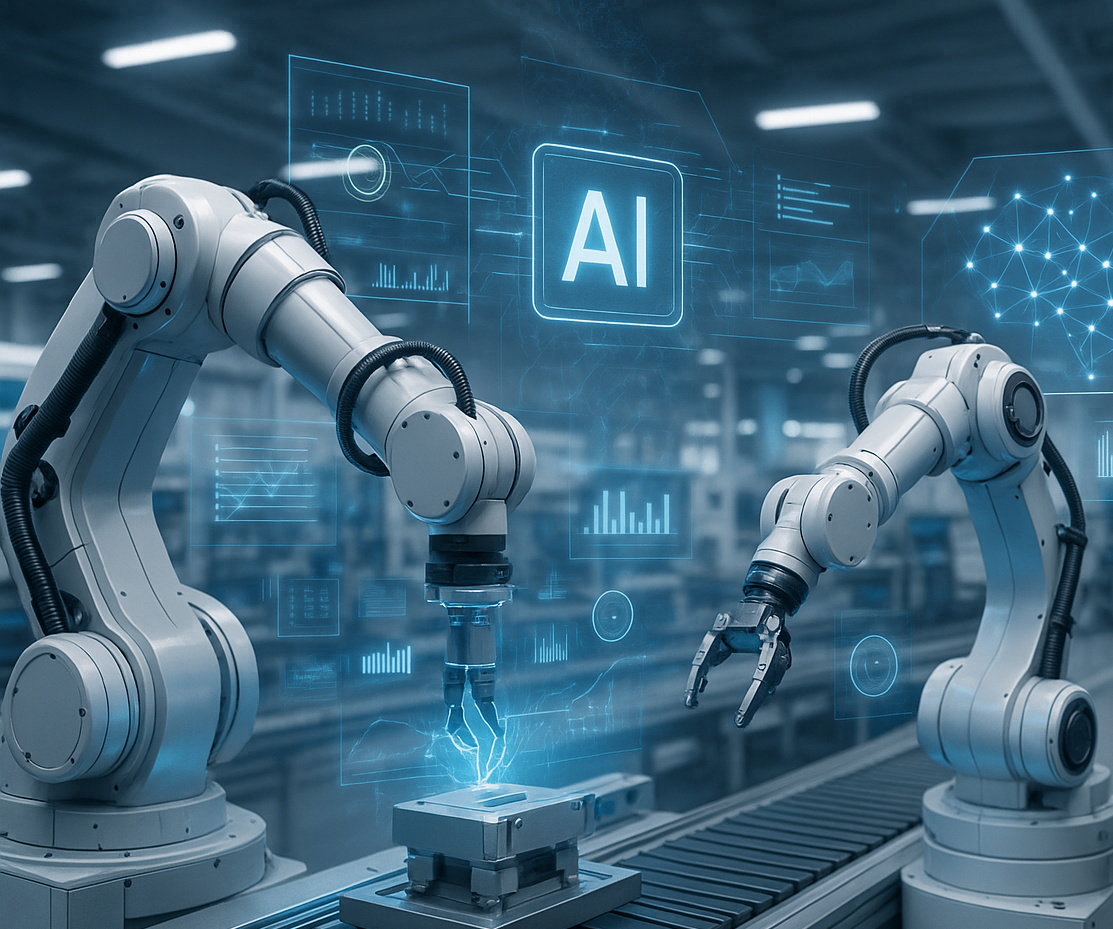
For years, industries have poured resources into digitizing factories, integrating sophisticated sensors, collecting vast datasets, and even experimenting with early AI pilots. Yet, a persistent challenge remains: converting insights gleaned from this digital transformation into tangible, closed-loop actions on the factory floor. The true breakthrough is not merely digitizing factories but operationalizing them, moving beyond static systems to dynamic, self-optimizing ecosystems. This paradigm shift is spearheaded by Physical AI, a revolutionary approach that bridges the gap between the digital and the physical, ushering in an era of autonomous manufacturing operations.
The journey to autonomous operations is not about simply accumulating more dashboards or data. It’s about establishing a rapid, iterative loop between simulation, decision-making, and real-time execution. This article delves into the core tenets of Physical AI, explores its components, illuminates its transformative benefits, and outlines how it empowers manufacturers to achieve unprecedented levels of efficiency, quality, and adaptability.
The Evolution Beyond Automation and Data
Many manufacturing plants today boast impressive levels of “automation” – robotic arms performing repetitive tasks, conveyor systems moving products with precision, and control systems orchestrating various processes. Furthermore, “data” is abundant, flowing from countless sensors, machines, and production lines. Some forward-thinking companies have even initiated “AI pilots,” leveraging machine learning for anomaly detection or predictive maintenance.
However, despite these advancements, results often stall. The chasm between digital insights and physical action frequently remains. Data, no matter how rich, and AI models, no matter how intelligent, fail to deliver their full potential if they cannot directly influence and optimize the physical world in real-time. This is where Physical AI emerges as the linchpin, moving industries beyond mere digitization to true operational intelligence. It’s about creating systems that not only understand but also act upon the insights they generate, transforming manufacturing into a living, adaptive entity.
Understanding Physical AI: The Confluence of Digital, AI, and Automation
Physical AI is the convergence of crucial technological layers, harmonizing them to create a system capable of continuous sensing, intelligent decision-making, and real-time physical execution. It transcends traditional automation by imbuing physical systems with the intelligence to adapt, optimize, and self-correct, behaving less like rigid machinery and more like a responsive, intelligent organism.
This powerful synergy is achieved through the seamless integration of three fundamental components:
The Digital Layer: Context and Simulation
At the foundation of Physical AI lies a robust digital layer, providing the comprehensive understanding and predictive capabilities necessary for intelligent operations. This layer acts as the brain, processing vast amounts of information and creating a virtual representation of the physical world.
Digital Twin: The Living Replica
A Digital Twin is a dynamic, virtual replica of a physical asset, process, or system. It’s not just a 3D model; it’s a living, breathing digital counterpart that mirrors its real-world twin in real-time. This sophisticated model integrates data from various sources – sensors, historical performance logs, operational parameters, and environmental conditions – to provide a comprehensive, up-to-the-minute view of the physical entity’s state and behavior.
The Digital Twin goes beyond mere reporting. It is enriched with “context,” meaning it understands the relationships between different data points, the operational environment, and the intended purpose of the asset. This contextual understanding is critical for accurate analysis and meaningful insights.
Digital Thread: The Seamless Information Flow
The Digital Thread is the integrated and continuous flow of data and information across the entire product lifecycle, from design and engineering to manufacturing, operations, and service. It ties together disparate systems and data sources, ensuring that all information related to a product or process is accessible, traceable, and consistent.
In the context of Physical AI, the Digital Thread ensures that the Digital Twin is continually fed with accurate, real-time data from the physical world, and conversely, that decisions made within the digital layer can be seamlessly transmitted to the automation layer. This uninterrupted flow of information is vital for maintaining the accuracy of the Digital Twin and enabling closed-loop control.
Simulation: Predicting the Future
One of the most powerful aspects of the digital layer is its capacity for advanced “simulation.” With a precise Digital Twin, manufacturers can run countless “what-if” scenarios, test potential changes, and predict outcomes before they are implemented on the physical production line. This capability is invaluable for:
- Virtual Commissioning: Simulating the setup and operation of new production lines or significant changes to existing ones in a virtual environment. This dramatically reduces the time and cost associated with physical commissioning, identifies potential issues early, and ensures faster ramp-up.
- Throughput Simulation: Analyzing the flow of materials and products through the production process to identify bottlenecks, optimize line balancing, and maximize output.
- What-if Scenarios: Evaluating the impact of various operational changes, such as different production schedules, material variations, or equipment modifications, without disrupting actual production. This allows for informed decision-making and proactive problem-solving.
This fusion of Digital Twin, Digital Thread, and advanced simulation provides the foundational “context” and predictive intelligence that informs the subsequent AI-driven decisions.
The AI Layer: Decision Intelligence for Action
Building upon the rich context and predictive power of the digital layer, the AI layer acts as the brain behind Physical AI, translating sensory data and simulated insights into actionable intelligence. This layer embodies “Decision Intelligence,” moving beyond simple data analysis to autonomous, informed decision-making.
Sense: Real-time Perception
The AI layer continuously “senses” the operational environment by receiving real-time data streams from the Digital Twin, which itself is constantly updated by physical sensors and control systems. This sensing capability extends beyond simple measurements; it involves interpreting complex patterns and anomalies within the data, providing a holistic understanding of the current state of operations. This includes monitoring machine performance, product quality, energy consumption, and even environmental factors.
Decide: Optimal Strategy Formation
Based on the sensed information and the contextual understanding provided by the Digital Twin, the AI layer “decides” on the optimal course of action. This decision-making process is powered by advanced machine learning algorithms, deep learning networks, and reinforcement learning models. These AI models are trained on vast datasets, including historical operational data, simulation outcomes, and expert knowledge, enabling them to:
- Predict Outcomes: Foresee potential failures, quality deviations, or efficiency bottlenecks before they occur.
- Diagnose Issues: Identify the root causes of problems quickly and accurately.
- Prescribe Solutions: Recommend the best actions to mitigate risks, optimize performance, or resolve issues.
- Optimize Parameters: Continuously adjust operational parameters for machines and processes to achieve desired outcomes, such as maximizing output, minimizing energy consumption, or improving quality.
The AI layer’s ability to “decide” intelligently is what distinguishes Physical AI from traditional automation, introducing true cognitive capabilities into manufacturing operations.
Act: Translating Decisions into Physical Commands
Crucially, the AI layer doesn’t just make decisions; it orchestrates “action.” Once an optimal decision is determined, the AI layer translates this decision into precise commands and instructions for the automation and robotics layer. This direct link from digital intelligence to physical execution completes the closed-loop action framework.
This seamless translation can involve:
- Adjusting control parameters of production machinery.
- Reprogramming robotic paths or behaviors.
- Triggering alerts for human operators to intervene.
- Initiating autonomous corrective actions within defined parameters.
The “Sense > Decide > Act” loop is the essence of the AI layer, enabling dynamic, intelligent responses to the ever-changing demands of a manufacturing environment.
Automation & Robotics: Executing in the Physical World
The final, essential component of Physical AI is the “Automation & Robotics” layer, which is responsible for executing the intelligent decisions made by the AI layer in the physical world, in real-time. This layer represents the hands and feet of the Physical AI system, transforming digital commands into tangible actions.
Controls: Precision and Responsiveness
Modern manufacturing relies heavily on sophisticated control systems – Programmable Logic Controllers (PLCs), Distributed Control Systems (DCS), and SCADA systems. In a Physical AI framework, these control systems are no longer static programs but dynamic interfaces for the AI layer. The AI layer can directly adjust control parameters, modify sequences, and optimize process variables in real-time, ensuring that physical processes precisely follow the intelligent recommendations.
This level of control dynamically adapts to variations in materials, environmental conditions, or wear and tear, rather than merely repeating pre-programmed sequences. This responsiveness is critical for maintaining optimal performance and adapting to unforeseen circumstances.
Robotics: Adaptive and Collaborative Execution
Robots are integral to modern automation, performing tasks with speed, accuracy, and endurance. In the realm of Physical AI, robots evolve beyond mere programmed repeaters. They become “adaptive,” meaning they can adjust their movements, grip, and tasks based on real-time data received from the AI layer and integrated sensors.
- Adaptation to Variability: Robots can compensate for slight variations in component placement, material properties, or even environmental factors that would typically cause errors in traditional robotic systems. This reduces downtime due to misfeeds or minor deviations.
- Collaborative Robotics: AI-driven robots can work more intelligently alongside human operators, perceiving human presence and intent, and adjusting their actions to ensure safety and enhance collaboration.
- Dynamic Task Allocation: AI can dynamically reassign tasks to robots based on real-time workload, machine availability, and production priorities, optimizing overall throughput and efficiency.
Execution in Real-Time: The Foundation of Responsiveness
The capability for “Execution in Real Time” is paramount. There is no delay between decision and action. This immediacy allows manufacturing operations to react instantly to anomalies, seize opportunities for optimization, and maintain a state of continuous improvement. Whether it’s adjusting a machine speed by a fraction of a percentage, altering a robot’s trajectory, or rerouting materials, Physical AI ensures that the physical world is always in sync with the intelligent decisions made in the digital realm.
Where Physical AI Becomes Real: Transformative Applications
The theoretical framework of Physical AI truly comes alive when applied to real-world manufacturing challenges. This integrated approach solves deep-rooted problems that traditional automation and isolated AI solutions often fail to address, leading to a new era of proactive, self-optimizing operations.
Digital Twins That Predict Outcomes Before Changes Hit the Line
The predictive power of Physical AI, particularly through advanced Digital Twins, redefines how manufacturers approach changes and optimizations. Instead of costly and time-consuming physical trials, virtual environments provide immediate and accurate feedback.
- Virtual Commissioning: Imagine setting up an entirely new production line or reconfiguring a significant portion of an existing one. Traditionally, this involves extensive physical installation, testing, and debugging, leading to long commissioning times and significant rework. With a Physical AI-enabled Digital Twin, the entire commissioning process can be simulated virtually. Every machine, every robot, every control sequence is tested in the digital realm, identifying clashes, bottlenecks, and programming errors before any physical equipment is even powered on. This dramatically reduces ramp-up times and associated costs.
- Throughput Simulation: Understanding the actual capacity and flow dynamics of a complex manufacturing line is often an educated guess. Physical AI allows for precise throughput simulation, modeling the flow of materials, machine cycle times, and potential interdependencies. Manufacturers can quickly identify bottlenecks, optimize buffer sizes, and validate production schedules, ensuring maximum output without over-taxing resources.
- What-if Scenarios: Before making any physical change to a production process – whether it’s adjusting machine parameters, introducing new materials, or altering a workflow – a manufacturer can run countless “what-if” scenarios within the Digital Twin. This allows for rigorous testing of different strategies, predicting their impact on efficiency, quality, and cost, enabling confident, data-driven decisions.
Robotics That Adapt to Real-World Variability
Traditional industrial robots are masters of repetition. They perform the same precise motion thousands of times. However, the real world is rarely perfectly uniform. Slight variations in material presentation, environmental conditions, or component tolerances can derail traditional robotic operations. Physical AI imbues robots with the intelligence to overcome these limitations.
- Sensory Feedback for Dynamic Adjustment: AI-powered robots integrate advanced sensors (vision systems, force-torque sensors, tactile feedback) to perceive their immediate environment. If a component is slightly misplaced, the robot can dynamically adjust its grip or trajectory to compensate, rather than failing the pick-and-place operation.
- Learning from Experience: Through reinforcement learning, robots can learn optimal manipulation strategies over time, adjusting their movements based on successful and unsuccessful attempts, leading to improved adaptability and robustness in dynamic environments.
- Handling Unstructured Environments: While full unstructured manipulation remains a challenge, Physical AI pushes robots closer to this goal by enabling them to handle a greater degree of variability and uncertainty, reducing the need for perfectly ordered inputs.
AI Agents That Prevent Downtime, Not Just Report It
The shift from reactive to proactive and then to preventive maintenance is a significant leap facilitated by Physical AI. Traditionally, AI might predict a machine failure, prompting a maintenance alert. Physical AI goes further by enabling “AI agents” to actively prevent those failures.
- Predictive + Prescriptive Reliability: Beyond predicting a failure, AI agents can prescribe specific actions to avoid it. For example, if a bearing shows early signs of wear, the AI might recommend an immediate, minor adjustment to lubrication flow or a slight reduction in operating speed, extending its lifespan and scheduling a replacement during planned downtime, rather than waiting for catastrophic failure.
- Self-Healing Systems: In some scenarios, AI agents can even initiate self-correction. If a process parameter drifts slightly out of tolerance, the AI agent can autonomously adjust control loops to bring it back within specification, preventing quality issues or potential machine damage without human intervention.
- Root Cause Guidance: When an issue does occur, the AI agent, equipped with comprehensive operational context from the Digital Twin, can rapidly identify the most probable root cause, providing immediate, actionable guidance to human operators for efficient troubleshooting and resolution.
Quality Loops That Self-Correct Before Defects Multiply
Quality control is paramount in manufacturing. Physical AI transforms quality management from a post-production inspection process to an intrinsic, continuous, and self-correcting loop.
- In-Process Quality Monitoring and Adjustment: High-resolution sensors and vision systems, constantly monitored by AI, detect minute deviations in product quality during the manufacturing process. If a defect is detected, the AI system doesn’t just flag it; it can immediately trace back to the likely cause within the production line and initiate corrective actions.
- Closed-Loop Process Optimization: For example, if a welding robot’s AI-enabled vision system detects a slight inconsistency in a weld bead, the AI can alert the control system to adjust welding parameters (e.g., current, speed, gas flow) in real-time, preventing subsequent defects in the same batch. This proactive correction minimizes scrap and rework significantly.
- Early-Stage Defect Prevention: By integrating quality data with upstream process parameters and material characteristics, Physical AI can identify correlations that lead to defects. It can then recommend or even autonomously implement preventative adjustments at earlier stages of production, stopping defects before they even have a chance to multiply.
Tangible Outcomes: The Business Impact of Physical AI
The strategic implementation of Physical AI is not merely about technological sophistication; it’s about delivering demonstrable, quantifiable benefits that directly impact the bottom line. Companies that embrace this integrated approach consistently achieve significant improvements across critical operational metrics.
✅ 20–50% Faster Commissioning & Ramp-Up
Integrating Digital Twins for virtual commissioning and simulation dramatically accelerates the deployment of new production lines or modifications to existing ones. By identifying and resolving potential issues in a virtual environment, manufacturers significantly reduce the need for physical rework, unplanned downtime during startups, and trial-and-error adjustments. This results in products reaching the market faster and production lines achieving full capacity much sooner.
✅ 5–15% OEE Improvement
Overall Equipment Effectiveness (OEE) is a critical measure of manufacturing productivity. Physical AI enhances OEE by systematically addressing its three key components:
- Availability: By implementing predictive and prescriptive maintenance, Physical AI minimizes unplanned downtime.
- Performance: Through continuous process optimization and bottleneck identification, it ensures machines operate at their peak efficiency.
- Quality: By preventing defects in real-time, it reduces rework and scrap. This holistic approach leads to a substantial increase in overall operational efficiency.
✅ 10–30% Reduction in Scrap/Rework
AI-led defect prevention and root cause guidance are game-changers for quality management. By leveraging in-process monitoring and closed-loop self-correction, Physical AI systems can detect and address quality deviations as they occur, preventing the proliferation of defects. This proactive approach significantly reduces material waste, labor expended on rework, and the costs associated with quality control failures.
✅ 10–25% Fewer Unplanned Downtime Events
The shift from reactive to predictive and then prescriptive reliability is a hallmark of Physical AI. Instead of merely predicting when a machine might fail, the system recommends and sometimes even initiates actions to prevent that failure. By continuously monitoring machine health, predicting potential component failures, and providing actionable insights or automatically adjusting operating parameters, Physical AI drastically minimizes the occurrence of costly, disruptive unplanned downtime events.
✅ 5–15% Energy Intensity Reduction
Optimizing energy consumption per unit produced is not just an environmental imperative; it’s a significant cost-saving opportunity. Physical AI achieves this through line-level optimization, dynamically adjusting operational parameters to use energy most efficiently. This can involve optimizing machine cycles, balancing load across equipment, identifying wasteful energy patterns, and optimizing auxiliary systems, leading to substantial reductions in energy costs and a smaller carbon footprint.
The Autonomous Operations Imperative: Building the Future Safely
The end game of Physical AI isn’t simply “smart factories” with more data points and fancy dashboards. The ultimate objective is autonomous operations – manufacturing facilities that can largely operate, optimize, and adapt themselves with minimal human intervention, built safely and incrementally.
This journey to autonomy is not a sudden leap but a step-by-step evolution. Each successful implementation of Physical AI, from virtual commissioning to self-correcting quality loops, brings manufacturers closer to this vision. It’s about creating systems that learn, evolve, and continuously improve, fostering an environment where machines, robots, and people work in seamless, intelligent collaboration.
The companies that will truly win in the years to come won’t be those with the most data, or the most isolated AI experiments. They will be the ones that master the fastest and most effective feedback loop from simulation to decision to execution. They will be the ones that fully embrace the power of Physical AI to transform their operations into living, adaptive systems.
Embrace the Future with IoT Worlds
The era of autonomous operations powered by Physical AI is not a distant dream; it is here. The competitive landscape demands not just efficiency, but adaptability, resilience, and the relentless pursuit of perfection. Breaking free from the limitations of static systems and realizing the full potential of your manufacturing assets requires a strategic embrace of Physical AI.
At IoT Worlds, we are at the forefront of this revolution, helping manufacturers bridge the digital-physical divide and unlock unprecedented operational excellence. Our expertise in designing, integrating, and deploying Physical AI solutions ensures that your insights don’t just stay on dashboards, but translate into real-time, closed-loop actions that drive tangible business outcomes.
Ready to transform your manufacturing operations from static systems to living, intelligent ecosystems? Contact IoT Worlds today to discuss how Physical AI can redefine your future.
Send an email to info@iotworlds.com to schedule a consultation with our experts and begin your journey towards autonomous manufacturing.
