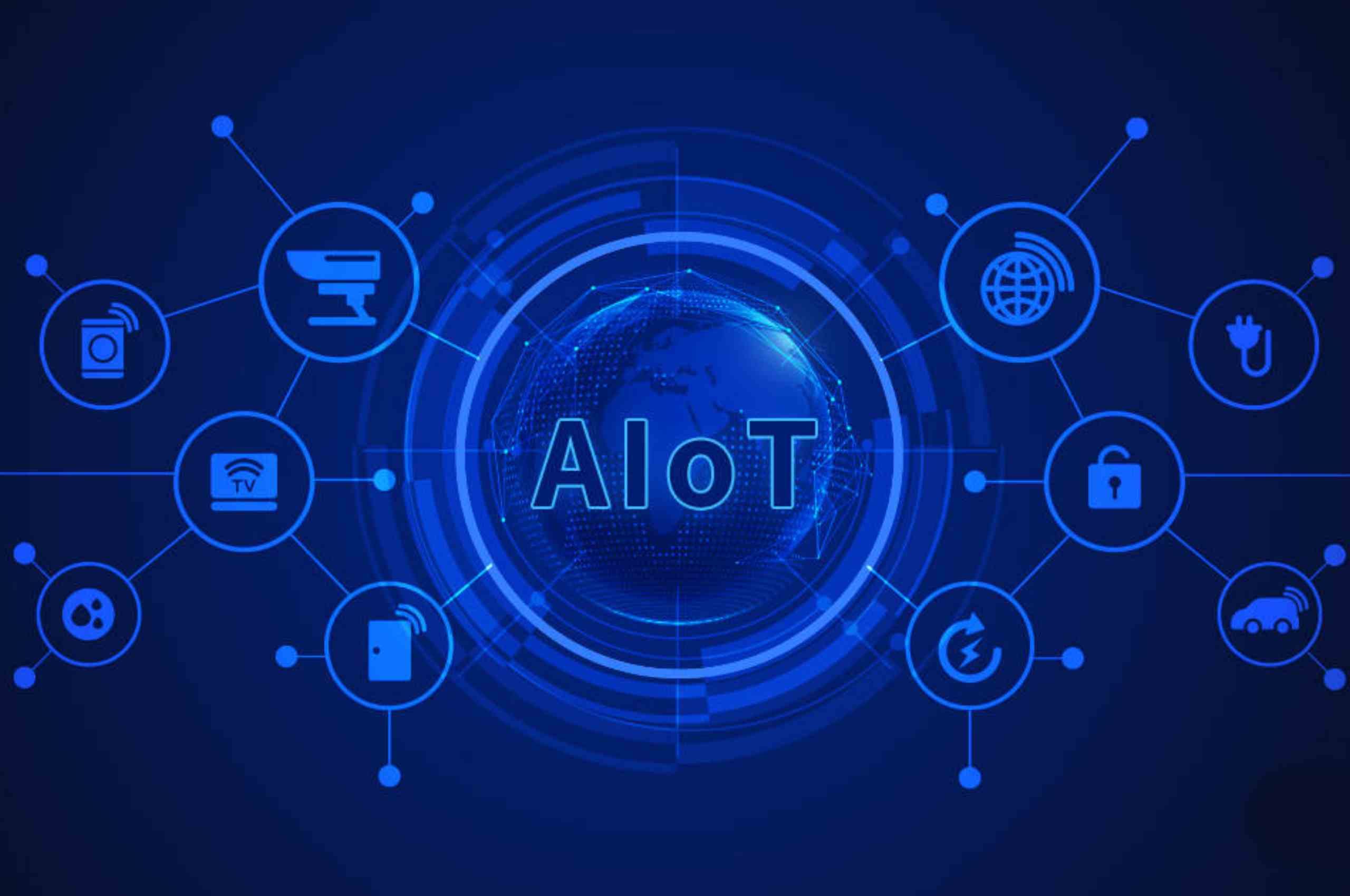
In today’s hyper-connected industrial landscape, assets are the lifeblood of any operation. From intricate manufacturing machinery and expansive logistics fleets to critical energy infrastructure and sophisticated smart facility systems, optimal performance and longevity of these assets directly impact an organization’s bottom line and competitive edge. However, assets don’t fail suddenly—they fail silently first. The subtle cues of degradation, the imperceptible shifts in performance, often go unnoticed until a catastrophic breakdown occurs, leading to costly downtime, operational inefficiencies, and missed opportunities.
The traditional approach to asset management, often reactive and reliant on periodic inspections, is no longer sufficient to meet the demands of modern industry. What is needed is a paradigm shift – a move towards an intelligent, proactive, and continuously optimizing system that provides real-time visibility, predictive insights, and secure control over every physical asset. This is where the Smart AIoT Asset Management Platform emerges as a game-changer. By seamlessly connecting physical assets to intelligent software, this platform transforms raw operational data into actionable intelligence, allowing enterprises to optimize, track, and protect their assets like never before.
The Evolution of Asset Management: From Reactive to Predictive with AIoT
For decades, asset management practices have largely been reactive. Maintenance was typically performed after a failure occurred, leading to unplanned downtime, rushed repairs, and often, higher costs. The shift towards preventive maintenance, with scheduled inspections and servicing, marked an improvement but still didn’t fully address the unpredictable nature of asset degradation. The advent of the Internet of Things (IoT) brought about a significant leap, enabling condition-based monitoring where sensors provided real-time data to indicate impending issues. However, the true revolution lies in the integration of Artificial Intelligence (AI) with IoT – forming the powerful synergy of AIoT.
AIoT asset management goes beyond simply collecting data. It leverages advanced AI algorithms to analyze vast datasets from connected assets, identify subtle patterns, predict potential failures before they manifest, and even recommend optimal maintenance strategies. This proactive approach not only significantly reduces downtime but also extends asset lifespan, optimizes resource utilization, and drives substantial cost savings.
Understanding the Core Components of an AIoT Asset Management Platform
At its heart, an AIoT Asset Management Platform leverages a sophisticated ecosystem of technologies to achieve its transformative capabilities:
- IoT Sensors: These are the eyes and ears of the platform, embedded within or attached to physical assets. They collect a myriad of data points, such as temperature, vibration, pressure, energy consumption, GPS location, and operational metrics.
- Secure Connectivity: This ensures the reliable and protected transmission of data from sensors to the processing layers. It encompasses various wired and wireless communication protocols tailored to different operational environments and asset types.
- Edge Computing: Often deployed close to the assets, edge devices provide immediate processing capabilities, allowing for real-time analysis, localized decision-making, and filtering of data before it’s sent to the cloud. This reduces latency and bandwidth usage.
- Cloud Platform/AI Analytics: The central brain of the system, where aggregated data is stored, processed, and analyzed using powerful AI and Machine Learning (ML) algorithms. This layer generates predictive insights, actionable intelligence, and facilitates comprehensive reporting.
- User Interface/Dashboards: Intuitive dashboards and applications provide human operators with real-time visibility into asset health, performance trends, and maintenance recommendations, enabling data-driven decision-making.
By combining these elements, the platform transforms inanimate assets into intelligent entities that communicate their health, predict their needs, and enable optimized operations.
The Four Pillars of AIoT Asset Management: What It Delivers
A robust AIoT Asset Management Platform delivers tangible benefits across four critical domains, each contributing to enhanced operational efficiency, reduced costs, and a stronger competitive position.
1. Real-Time Asset Monitoring Across Sites, Fleets, and Facilities
Imagine having a pulse on every single asset in your organization, no matter where it’s located. The AIoT platform makes this a reality by offering unparalleled real-time visibility.
Gain Live Insights on Your Assets
Real-time monitoring means understanding the operational status, performance, and environmental conditions of your assets at any given moment. This goes beyond simple “on/off” indicators to providing granular data:
- Geospatial Tracking: For mobile assets like logistics fleets, construction equipment, or remote field devices, GPS integration provides precise location tracking. This is crucial for optimizing routes, ensuring timely deliveries, and managing field service teams efficiently. The platform’s visual dashboards often feature interactive maps, displaying asset locations and operational parameters in a clear, easy-to-understand format.
- Performance Metrics: Sensors continuously measure critical operational parameters such as speed, RPM, load, flow rates, pressure, temperature, current, voltage, and power consumption. This data feed allows for immediate identification of deviations from normal operating conditions.
- Environmental Monitoring: For sensitive assets or those operating in challenging conditions, the platform can monitor ambient temperature, humidity, vibration levels, and air quality. This helps in understanding external factors influencing asset performance and potential degradation.
- Utilization Tracking: Real-time data provides accurate insights into asset utilization rates. This helps in identifying underutilized equipment, optimizing allocation, and understanding overall operational capacity. For instance, in manufacturing, it can track machine uptime, cycle times, and throughput.
- Condition Parameters: Specialized sensors can detect subtle changes in asset condition, such as unusual vibrations in rotating machinery, unexpected temperature spikes in electrical components, or fluid leakage. These early indicators are vital for proactive intervention.
This live data stream provides a comprehensive overview, allowing managers to make informed decisions swiftly, address emerging issues before they escalate, and maintain optimal operational flow.
2. Predictive Maintenance Using AI to Detect Anomalies Before Downtime Occurs
This is arguably the most impactful capability of an AIoT Asset Management Platform. By moving from a reactive or even preventive maintenance model to a predictive one, organizations can save millions in repair costs, prevent production losses, and significantly improve safety.
Prevent Failures Before They Happen
The core of predictive maintenance lies in leveraging AI and Machine Learning (ML) to analyze the continuous stream of data from assets.
- Anomaly Detection: AI algorithms are trained on historical data representing normal asset behavior. When real-time data deviates from these established baselines in subtle ways that humans might miss, the AI flags these as anomalies. For example, a slight, continuous increase in motor vibration that is still within acceptable limits but indicates gradual bearing wear.
- Pattern Recognition: ML models identify complex patterns and correlations within the data that precede specific types of failures. For instance, a particular combination of temperature, pressure, and flow fluctuations might consistently precede a pump failure.
- Remaining Useful Life (RUL) Prediction: Advanced prognostics models can estimate the remaining operational life of a component or asset based on its current condition and degradation trends. This allows maintenance teams to schedule interventions precisely when they are needed, rather than too early (wasting useful life) or too late (resulting in failure).
- Root Cause Analysis Support: When an anomaly is detected, the AI can correlate it with other parameters and historical data to provide insights into potential root causes, guiding technicians directly to the problem area.
- Dynamic Maintenance Scheduling: Instead of fixed schedules, maintenance can be dynamically optimized based on actual asset condition and predicted failure points. This ensures resources are allocated efficiently and maintenance tasks are performed at the most opportune time, often during planned downtimes, minimizing disruption.
The direct result is a significant reduction in unplanned downtime, extended asset lifespans, optimized spare parts inventory, and a dramatic decrease in emergency repair costs, thereby enhancing operational efficiency. Organizations implementing predictive maintenance often see a reduction in maintenance costs by 15-25% and an increase in asset uptime by 10-20%.
3. End-to-End Security for Connected Assets and Data
In an era of increasing cyber threats, ensuring the security of connected assets and the sensitive data they generate is paramount. A breach in an industrial IoT system can lead to massive operational disruptions, data theft, safety hazards, and significant financial and reputational damage. The AIoT Asset Management Platform is built with security at its foundation.
Safeguard Assets from Threats
End-to-end security encompasses multiple layers of protection, from the device level to the cloud infrastructure.
- Device-Level Security:
- Secure Boot: Ensures that only trusted software can run on the device at startup, preventing unauthorized firmware modifications.
- Hardware Root of Trust (HRoT): Utilizes specialized hardware components to establish an immutable trust anchor, verifying the integrity of the device’s software and configurations.
- Unique Device Identity: Each asset is assigned a cryptographically strong, unique identity (e.g., using X.509 certificates) for authentication and authorization.
- Secure Over-the-Air (OTA) Updates: Ensures that firmware and software updates are securely delivered and validated, with rollback capabilities in case of faulty updates, protecting against malicious code injection.
- Secure Connectivity:
- Data Encryption: All data transmitted between assets, edge devices, and the cloud is encrypted using industry-standard protocols (e.g., TLS/SSL, DTLS for UDP-based protocols like CoAP).
- Authentic Communication: Mutual authentication processes ensure that only authorized devices can connect to the platform and only authorized services can communicate with the devices.
- Network Segmentation: Industrial networks are often segmented to isolate critical operational technology (OT) systems from the broader IT network, minimizing the attack surface. Edge gateways typically act as secure intermediaries.
- Platform and Cloud Security:
- Access Control: Robust Identity and Access Management (IAM) systems ensure that only authorized personnel and services can access specific data and functionalities within the platform, employing the principle of least privilege.
- Data at Rest Encryption: All data stored in the cloud (databases, storage buckets) is encrypted to protect against unauthorized access.
- Threat Detection & Incident Response: AI-powered security monitoring constantly analyzes communication patterns, device behavior, and system logs to detect anomalies indicative of cyber threats. Automated alerting and incident response protocols are in place to quickly neutralize threats.
- Regular Security Audits: The platform undergoes continuous security assessments and compliance audits to adhere to the highest industry standards and regulatory requirements.
By integrating these security measures, the AIoT platform provides a fortified environment, protecting valuable assets and sensitive operational data from a wide array of cyber and physical threats.
4. Data-Driven Decisions That Reduce Operational Costs and Improve Efficiency
The final, overarching benefit of an AIoT Asset Management Platform is its ability to empower organizations with data-driven decision-making, leading to cascading improvements in operational costs and overall efficiency.
Boost Efficiency & Reduce Costs
The insights generated by the platform translate directly into quantifiable business advantages.
- Optimized Resource Allocation:
- Maintenance Manpower: Predictive insights allow for planned maintenance schedules, reducing the need for costly emergency repairs and optimizing the deployment of maintenance personnel. Technicians can go armed with diagnostic information, improving first-time fix rates.
- Spare Parts Inventory: Accurate predictions of component failure reduce the need for large, speculative spare parts inventories, leading to lower carrying costs and less waste from obsolete parts. Just-in-time ordering becomes feasible.
- Energy Efficiency:
- By monitoring energy consumption patterns of individual assets in real-time and correlating it with operational output, the platform can identify inefficiencies, schedule energy-intensive tasks during off-peak hours, or suggest adjustments to optimize energy usage. For example, in smart facilities, HVAC systems can be optimized based on occupancy data and real-time environmental conditions.
- Asset Utilization Optimization:
- Analyzing utilization data helps identify underperforming assets, assets that are being overused prematurely leading to wear, or those sitting idle. This enables better asset allocation, maximizing returns on investment. For logistics, this means optimizing fleet deployment and reducing unproductive vehicle time.
- Enhanced Throughput and Quality:
- In manufacturing, preventing unexpected machine failures directly translates to consistent production runs, higher throughput, and improved product quality due to stable operating conditions.
- Compliance and Safety:
- Real-time and historical data provide comprehensive records for regulatory compliance. By predicting and preventing failures, the platform also enhances workplace safety by reducing the risk of equipment malfunction-related accidents.
- Extension of Asset Lifespan:
- Proactive maintenance based on actual wear and tear, rather than arbitrary schedules, ensures that assets are maintained optimally throughout their operational life, delaying the need for costly replacements.
The data-driven insights provided by the AIoT platform create a continuous feedback loop, enabling organizations to constantly refine their operations, identify new areas for improvement, and adapt quickly to changing market demands.
How It Works: The Smart AIoT Asset Management Platform in Action
The seamless integration of various technologies is what gives the Smart AIoT Asset Management Platform its power. It’s a carefully orchestrated process that transforms raw data into intelligent action.
Combining IoT Sensors, Secure Connectivity, and AI Analytics
The operational flow of the platform can be broken down into several key stages:
- Data Acquisition (IoT Sensors):
- A diverse array of IoT sensors are strategically deployed on or within the physical assets. These sensors are selected based on the specific parameters needing to be monitored (e.g., vibration sensors for rotating machinery, temperature sensors for industrial ovens, GPS for vehicles, current sensors for electrical equipment).
- These sensors continuously collect data at predefined intervals or in response to specific events, creating a rich stream of real-time operational data.
- Edge Processing and Local Intelligence:
- Where necessary, local edge devices (gateways or embedded microcontrollers) first receive this raw sensor data.
- At this stage, basic data cleaning, filtering, aggregation, and compression may occur to reduce the volume of data transmitted upstream.
- More critically, for applications requiring immediate response, Edge AI models are deployed here. For instance, an AI model on a factory floor edge device can immediately detect an anomalous vibration pattern and issue a local alert or even trigger a safety shutdown, without waiting for cloud communication. This local intelligence ensures low-latency control and resilience against network outages.
- Secure Data Transmission (Connectivity):
- The processed or raw data is then securely transmitted from the edge to the central cloud platform.
- This transmission utilizes various connectivity technologies tailored to the environment:
- Local Area Networks (LANs): Wi-Fi, Ethernet for fixed assets within a facility.
- Wide Area Networks (WANs): Cellular (4G/5G, NB-IoT, LTE-M) for mobile assets or remote installations, LoRaWAN for low-power, long-range applications.
- Satellite Communication: For extremely remote assets with no terrestrial network coverage.
- Robust encryption and authentication protocols are embedded at this stage, ensuring data integrity and confidentiality during transit. Messaging protocols like MQTT are often used for their lightweight nature and efficiency in IoT contexts.
- Cloud-Based Data Ingestion and Storage:
- Upon reaching the cloud, data is ingested into scalable and resilient data pipelines. These pipelines are designed to handle high volumes and velocity of data from millions of devices, ensuring no data loss.
- The data is then stored in optimized databases, often specialized time-series databases for efficient querying and analysis of historical trends, and data lakes for broader analytical purposes.
- AI Analytics and Insight Generation:
- This is where the magic of AI truly comes into play. Powerful machine learning algorithms process the historical and real-time data:
- Predictive Models: Analyze trends, identify correlations, and predict future asset behavior, including potential failures and Remaining Useful Life (RUL).
- Diagnostic Models: Help pinpoint the exact nature and cause of anomalies or predicted issues.
- Prescriptive Models: Recommend specific actions, such as optimal maintenance schedules, operational adjustments, or resource reallocations.
- Contextual data from enterprise systems (like ERP, CMMS, field service management) can be integrated to enrich the analysis and provide a holistic view.
- This is where the magic of AI truly comes into play. Powerful machine learning algorithms process the historical and real-time data:
- Actionable Intelligence and User Interface:
- The insights generated by the AI are translated into actionable intelligence presented through intuitive dashboards, mobile applications, and alert systems.
- Users (e.g., operations managers, maintenance technicians, executives) receive customized views, real-time alerts for critical events, maintenance recommendations, and performance reports.
- Automated workflows can be triggered directly from the platform – for example, generating a work order in a CMMS, dispatching a field technician, or adjusting operational parameters.
This iterative process of data collection, secure transmission, intelligent analysis, and actionable insights forms the backbone of the Smart AIoT Asset Management Platform, enabling continuous optimization and proactive management of all physical assets. Such platforms include SAP Intelligent Asset Management (IAM), which supports all stages of an asset’s lifecycle by integrating AI, IoT, and real-time data capabilities.
Industry-Specific Applications: Smart Operations in Diverse Sectors
The versatility of the Smart AIoT Asset Management Platform means it can be tailored to meet the unique challenges and opportunities within various asset-intensive industries.
🏭 Manufacturing: Precision and Productivity
In manufacturing, every minute of unplanned downtime can cost thousands, if not millions, in lost production. The AIoT platform is an indispensable tool for maintaining the intricate balance of complex machinery and ensuring production continuity.
- Predictive Maintenance for Production Lines: Monitoring critical components of CNC machines, robotic arms, assembly lines, and industrial ovens. AI can predict bearing failures, motor overheating, or hydraulic system issues, allowing for maintenance to be scheduled during planned shutdowns, preventing costly production halts.
- Overall Equipment Effectiveness (OEE) Optimization: Real-time data on machine uptime, performance, and quality helps manufacturers calculate and improve OEE, a key metric for manufacturing efficiency. Anomalies that reduce OEE can be immediately identified and addressed.
- Energy Consumption Monitoring: Tracking the energy usage of individual machines or entire production facilities to identify inefficiencies and optimize energy expenditure, aligning with sustainability goals.
- Process Optimization: Analyzing data from various stages of the manufacturing process to identify bottlenecks, optimize material flow, and improve throughput.
- Quality Control: Integrating sensors to monitor product quality variations during production, allowing for real-time adjustments and minimizing defects.
🚚 Logistics & Fleet: Efficiency on the Move
For logistics companies and any business managing a fleet of vehicles, the AIoT platform offers unparalleled benefits in optimizing operations, ensuring timely deliveries, and maintaining vehicle health.
- Real-time Vehicle Tracking and Telematics: GPS and telematics sensors provide live location data, speed, fuel consumption, engine diagnostics, and driver behavior insights. This enables route optimization, geofencing, and monitoring for efficient fleet management.
- Predictive Maintenance for Vehicles: Monitoring engine health, tire pressure, brake wear, and other critical components. AI can predict potential vehicle breakdowns, allowing for proactive servicing and reducing roadside repair costs and delivery delays.
- Cargo Monitoring: Sensors within containers can monitor temperature, humidity, shock, and movement, ensuring optimal conditions for sensitive goods (e.g., pharmaceuticals, fresh produce) and detecting tampering or damage.
- Asset Utilization: Optimizing vehicle allocation, minimizing idle times, and maximizing the operational usage of each vehicle in the fleet.
- Fuel Efficiency: Monitoring idling times, harsh acceleration/braking, and route inefficiencies to reduce fuel consumption and environmental impact.
⚡ Energy & Utilities: Resilience and Reliability
The energy and utilities sector relies heavily on the continuous operation of vast, distributed infrastructure. The AIoT platform enhances the resilience, reliability, and safety of these critical assets.
- Grid Monitoring: Monitoring transformers, power lines, substations, and other grid components for anomalies, load fluctuations, and potential points of failure. AI can predict equipment stress or overheating, preventing outages.
- Renewable Energy Asset Management: For wind turbines, solar farms, and other renewable assets, the platform monitors performance, identifies maintenance needs, and optimizes energy generation based on real-time environmental conditions.
- Pipeline Monitoring: Sensors along oil and gas pipelines can detect leaks, pressure drops, or structural integrity issues, enabling rapid response and minimizing environmental impact and safety risks.
- Smart Metering Infrastructure: Collecting and analyzing data from smart meters to optimize energy distribution, detect anomalies in consumption, and improve billing accuracy.
- Predictive Maintenance for Power Plants: Monitoring turbines, generators, pumps, and other critical equipment in power generation facilities to prevent breakdowns and ensure continuous energy supply.
🏢 Smart Facilities: Harmony and Hyperefficiency
From corporate campuses to large industrial complexes and public buildings, smart facilities leverage AIoT to create environments that are both efficient and comfortable.
- HVAC System Optimization: Monitoring temperature, humidity, CO2 levels, and occupancy data to dynamically adjust heating, ventilation, and air conditioning systems, significantly reducing energy consumption and improving occupant comfort.
- Lighting Control: Automated lighting systems based on occupancy detection and ambient light levels, further enhancing energy efficiency.
- Asset Tracking: Tracking high-value mobile assets within a facility (e.g., medical equipment in hospitals, tools in a factory) to improve utilization, reduce loss, and streamline operations.
- Predictive Maintenance for Building Infrastructure: Monitoring elevators, escalators, plumbing, and electrical systems for performance degradation, allowing for proactive maintenance and preventing service disruptions.
- Security and Access Control: Integrating with security cameras, door sensors, and access control systems for enhanced building security, anomaly detection, and automated incident response.
The application of AIoT asset management across these diverse industries underscores its universal value proposition: transforming reactive management into proactive, intelligent operations.
The Result: Quantifiable Benefits and a Competitive Advantage
The implementation of a Smart AIoT Asset Management Platform yields a multitude of benefits that collectively contribute to a stronger, more resilient, and more profitable enterprise.
✔ Reduced Downtime
By shifting from reactive to predictive maintenance, the platform drastically minimizes unplanned outages. AI-driven anomaly detection and RUL prediction enable organizations to schedule maintenance proactively during operational lulls or planned shutdowns. This ensures continuous operation, preventing lost production, missed deadlines, and customer dissatisfaction. It also reduces the need for costly emergency repairs and overtime labor. This is a crucial factor, as unplanned downtime can lead to significant revenue loss, sometimes up to $260,000 per hour across various industries.
✔ Optimized Asset Utilization
Knowing exactly when and how assets are being used is key to maximizing their value. The platform provides granular insights into operational patterns, allowing businesses to:
- Identify Idle Assets: Pinpoint equipment that is underutilized and reallocate it where it’s needed most.
- Extend Lifespans: By maintaining assets based on their actual condition rather than generic schedules, their operational life can be significantly extended, delaying costly replacement cycles.
- Improve Throughput: Ensure that assets are operating at their peak performance, contributing to higher production rates or service delivery.
This optimization directly translates to a better return on investment (ROI) for asset acquisition.
✔ Lower Maintenance Costs
Predictive maintenance fundamentally transforms maintenance expenditures:
- Reduced Emergency Repairs: Eliminates the premium associated with urgent repairs, often involving specialized technicians and expedited parts.
- Optimized Spare Parts Inventory: Accurate failure predictions allow for just-in-time ordering of components, minimizing inventory holding costs and reducing waste from obsolete parts.
- Efficient Manpower Deployment: Maintenance teams can plan their work more effectively, allocate resources efficiently, and arrive on-site with the right tools and information, improving first-time fix rates.
- Less Catastrophic Damage: Preventing minor issues from escalating into major breakdowns avoids more extensive and expensive repairs or even total asset replacement. Predictive maintenance can reduce unplanned downtime by 30-50% and increase asset lifespan by 20-40%.
Overall, these efficiencies can lead to a substantial reduction in total maintenance expenditures.
✔ Scalable, Future-Ready Operations
The digital foundation of an AIoT Asset Management Platform is inherently scalable and adaptable.
- Growth Agility: As an organization grows its asset base, the platform can seamlessly integrate new physical assets, expand monitoring capabilities, and scale its data processing and AI analytics without significant architectural overhauls.
- Technology Advancement: The modular nature of AIoT platforms allows for easy integration of new sensor technologies, advanced AI algorithms, and evolving connectivity standards, ensuring that operations remain cutting-edge.
- Data Consolidation: It provides a unified view of asset data across an entire enterprise, breaking down data silos and enabling holistic operational analysis. This paves the way for further digital transformation initiatives.
- Competitive Edge: In a dynamic market, intelligent asset management is no longer a luxury but a necessity to stay ahead. Companies that leverage AIoT gain significant advantages in efficiency, cost-effectiveness, and responsiveness.
The global IoT-based asset tracking and monitoring market is projected to reach approximately $9.23 billion by 2033, expanding at an impressive CAGR of 8.4% from 2024 to 2033. This growth underscores the increasing recognition of smart asset management as a core competitive advantage.
Implementing Your AIoT Asset Management Platform: Key Considerations
Embarking on the journey of AIoT asset management requires careful planning and a strategic approach. Here are key considerations for a successful implementation:
1. Define Clear Objectives and Scope
Before investing in technology, clearly articulate what you want to achieve. Are you aiming to reduce downtime in a specific production line, optimize fleet utilization, or improve energy efficiency in facilities? Start with a pilot project with well-defined metrics to demonstrate ROI before scaling.
2. Assess Existing Infrastructure
Evaluate your current assets, their age, and existing monitoring capabilities. Identify which assets are critical and would benefit most from AIoT integration. Consider the compatibility of existing OT systems with new IoT technologies and plan for secure integration points, often via edge gateways.
3. Data Strategy Development
A robust data strategy is crucial. This includes:
- Data Collection Plan: What data do you need from which assets? What are the sampling rates?
- Data Quality Standards: How will you ensure the accuracy and reliability of sensor data?
- Data Storage and Management: Where will data be stored (edge, cloud, hybrid)? How will it be managed, secured, and accessed?
- Data Governance: Who owns the data? What are the policies for its use and retention?
4. Choose the Right Technology Stack
Selecting the appropriate IoT sensors, connectivity options, edge computing hardware/software, and cloud platform is critical. This choice should align with your objectives, budget, scalability requirements, and security needs.
5. Cybersecurity from Day One
Security must be integrated into every layer of the solution, not as an afterthought. This includes end-to-end encryption, robust authentication mechanisms, continuous threat monitoring, and adherence to industry-specific security standards and regulations.
6. Organizational Change Management
Implementing AIoT asset management is equally a technological and an organizational transformation. It will impact existing workflows, roles, and skills. Engage stakeholders, provide adequate training, and foster a culture of data-driven decision-making.
7. Phased Rollout and Continuous Improvement
Adopt a phased approach, starting with a pilot, learning from it, and iteratively expanding the deployment. AI models require continuous refinement and retraining as asset behavior and environmental conditions change. The platform should be designed for continuous feedback and improvement.
Conclusion: Smart Assets, Smarter Future
The era of merely reacting to asset failures is over. The AIoT Asset Management Platform represents a quantum leap in operational intelligence, transforming how businesses interact with and derive value from their physical assets. By providing real-time visibility, predictive insights powered by AI, robust security, and the ability to make truly data-driven decisions, this platform isn’t just an expense – it’s a strategic investment that delivers a powerful competitive advantage. The result is clear: reduced downtime, optimized asset utilization, significantly lower maintenance costs, and operations that are inherently scalable and future-ready.
Smart assets are no longer optional. Intelligent asset management is the bedrock of modern industrial excellence, paving the way for hyper-efficient, resilient, and proactive enterprises in a rapidly evolving world. Embrace the future where every asset communicates its needs, and every decision is informed by intelligence.
Unlock the Full Potential of Your Assets with IoT Worlds
Navigating the complexities of AIoT asset management, from architectural design to sensor integration, secure deployment, and advanced analytics, can be a daunting task. That’s where IoT Worlds comes in. Our expert consultancy services are designed to guide your organization through every step of this transformative journey. We help you define your strategy, select the right technologies, implement robust and secure solutions, and empower your teams to leverage the full power of intelligent asset management.
Are you ready to transform your assets into intelligent, proactive profit centers? Don’t let your assets fail silently. Contact us today to explore how IoT Worlds can turn your AIoT vision into a tangible reality.
Email us at: info@iotworlds.com