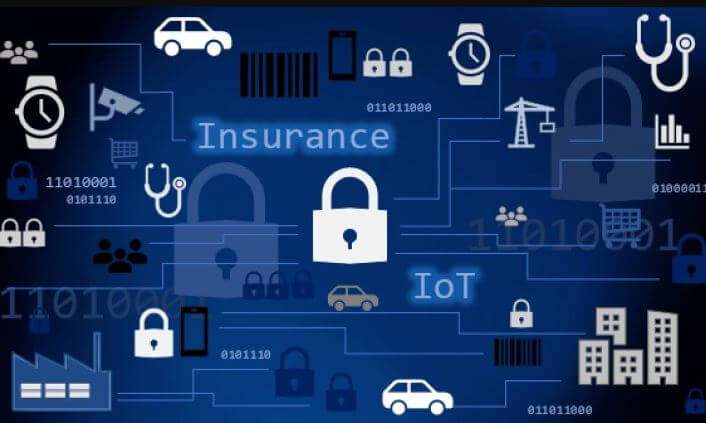
Insurance has always been a data business. Traditionally, that data arrived in slow, static snapshots:
- Application forms completed once
- Historical claims records
- Demographic and credit‑score aggregates
Today, the Internet of Things (IoT) is turning that model inside out.
Cars, homes, factories, pipelines, hospitals, and even wearables are generating continuous streams of real‑world data. When insurers harness that information responsibly, they can:
- Price risk more accurately
- Prevent losses rather than only paying for them
- Settle claims faster and more fairly
- Launch new, usage‑based and event‑based products
This is the world of Connected Insurance.
1. What Is Connected Insurance?
Connected insurance is an insurance model where real‑time data from connected devices, sensors, and digital platforms is used throughout the insurance lifecycle:
- Risk selection and underwriting
- Pricing and product design
- Ongoing risk management and prevention
- Claims detection, triage, and settlement
- Customer engagement and service
Sources of data include:
- Telematics devices in vehicles
- Smart‑home sensors and building‑management systems
- Industrial IoT sensors in factories and infrastructure
- Wearables and health trackers
- Commercial systems: POS, supply‑chain platforms, security systems
- Public data: weather, traffic, satellite imagery
Instead of relying only on what customers declare and what has happened in the past, connected insurance incorporates what is happening now.
Key characteristics:
- Data‑driven rather than purely actuarial
- Often usage‑based (pay‑as‑you‑drive, pay‑as‑you‑live, pay‑per‑mile)
- Includes prevention and advisory services, not just payout
- Tightly integrated with IoT and AI ecosystems
The rest of this guide explores how that vision appears in each segment of the Connected Insurance domain.
2. Personal Insurance: Connected Homes, Health, and Lifestyles
The Personal segment includes:
- Home, contents, and accident
- Health and lifestyle
- Age care
- Travel, crime, and identity/celebrity protection
2.1 Connected Home and Property Insurance
Smart‑home technologies are transforming home and contents insurance.
Key IoT devices:
- Water‑leak sensors and smart shut‑off valves
- Smoke, CO, and air‑quality detectors
- Security cameras and smart locks
- Motion, door/window, and glass‑break sensors
- Temperature and humidity sensors (e.g., for vacation homes)
Use cases:
- Loss Prevention
- Automatic water shut‑off when leaks are detected.
- Early smoke and CO detection with direct alerts to homeowners and monitoring services.
- Deterrence and evidence for burglary and vandalism via cameras and alarms.
- Risk‑Based Pricing
- Discounts for customers who install approved devices and share anonymized data.
- Micro‑segmented risk models based on building characteristics and behavior (e.g., how often alarms are armed).
- Smart Claims
- Automatic event confirmation and timestamping (e.g., leak sensors plus water‑usage data).
- Remote assessment via images, video, and sensor logs; integration with contractor platforms for rapid repairs.
- Parametric triggers (for example, payouts when temperature drops below a threshold and pipes freeze, validated by weather data).
2.2 Health, Lifestyle, and Age‑Care Insurance
The personal segment also lists health, lifestyle, and age care.
Devices and data sources:
- Wearable activity trackers and smartwatches
- Blood‑pressure monitors, glucometers, and other home‑health devices
- Sleep‑monitoring devices
- Mobile health apps and digital therapeutics
- Smart pill boxes and medication‑adherence sensors
Connected‑health insurance applications:
- Wellness and Incentive Programs
- Rewards for meeting step goals, exercise days, sleep‑quality targets, or preventive check‑ups.
- Personalized coaching based on data from wearables and apps.
- Chronic‑Disease Management
- Remote‑monitoring programs for diabetes, cardiac conditions, and COPD.
- Insurers collaborate with providers to fund devices and care‑management services, reducing hospitalization risk.
- Long‑Term‑Care and Age‑Care Insurance
- In‑home sensors tracking mobility, falls, and daily‑living patterns.
- Alerts to caregivers and insurers when risk indicators (e.g., reduced movement, medication non‑adherence) shift.
- Data‑driven assessments of care needs, influencing premium levels or benefit triggers.
- Underwriting and Dynamic Risk Scoring
- With consent and strict privacy controls, insurers can refine risk profiles using lifestyle data instead of demographics alone.
- Dynamic adjustments to coverage tiers or premiums (within regulatory boundaries) based on sustained behavior.
2.3 Travel, Crime, and Identity Protection
The outer ring mentions travel, crime, and identity/celebrity.
Examples:
- Travel policies tied to real‑time location data from smartphones and flights, activating coverage automatically and offering delay or lost‑baggage support.
- Identity‑protection services that monitor the dark web, financial‑transaction patterns, and device fingerprints to detect fraud.
- High‑net‑worth or celebrity policies using social‑media monitoring and security‑system data to assess risk exposures.
3. Corporate & Business Insurance: From Cyber to Manufacturing and Agriculture
The Corporate & Business segment includes:
- Cyber/data and liability
- Commerce and manufacturing
- Agriculture and property
- Reputation and ransom
- Identity and construction
- Travel, fine art, and fraud
IoT is increasingly central to underwriting and servicing these risks.
3.1 Cyber and Data Insurance in an IoT World
As companies connect more devices, cyber‑risk insurance must cover:
- Unauthorized access to IoT devices (e.g., sensors, cameras, industrial controllers).
- Data breaches from connected products and platforms.
- Business interruption due to ransomware attacks on OT systems.
Connected‑insurance responses:
- Continuous security scoring of customer networks based on telemetry and external scans.
- Bundled security services (vulnerability scanning, incident‑response retainers) in exchange for data‑sharing.
- Parametric policies that pay out automatically when specified cyber events occur, as verified by monitoring tools.
3.2 Commercial Property and Smart Buildings
Corporate property insurance spans:
- Office buildings and retail stores
- Warehouses and logistics centers
- Manufacturing plants and commercial real estate portfolios
IoT‑enabled risk management:
- Smart‑building systems (BMS) integrating HVAC, fire safety, access control, and security.
- Sensors for water leaks, temperature excursions, humidity, smoke, and vibration.
- Structural‑health monitoring in high‑rise buildings, bridges, and critical facilities.
Insurers can:
- Offer discounts or risk‑engineering services for well‑instrumented buildings.
- Use building‑performance data to refine catastrophe models for fire, flood, and storm damage.
- Automate part of the claims‑verification process via sensor logs, alarms, and CCTV analytics.
3.3 Manufacturing and Industrial IoT
Manufacturing risk covers:
- Machinery breakdown
- Business interruption
- Product liability
- Worker safety and occupational health
Industrial IoT (IIoT) brings:
- Vibration and condition monitoring for rotating equipment.
- Real‑time data on process variables and safety‑system status.
- Wearables for worker safety (location, fall detection, gas exposure).
Connected‑insurance opportunities:
- Preventive‑maintenance programs co‑developed with OEMs and insurers.
- Dynamic coverage limits or deductibles contingent on maintenance adherence.
- Parametric insurance linking payouts to downtime metrics from IIoT systems.
3.4 Agriculture and Agri‑Insurance
Agriculture appears explicitly in the Corporate & Business segment. IoT in agriculture includes:
- Soil‑moisture and weather sensors
- GPS‑enabled tractors and precision‑farming equipment
- Livestock trackers and health monitors
- Drones and satellite imagery for crop health assessment
Connected‑insurance products:
- Index‑based or parametric crop insurance triggered by rainfall, soil moisture, or vegetation indices.
- Livestock‑health programs that combine wearables and veterinary support to reduce mortality.
- Equipment‑breakdown policies based on usage hours and condition data.
3.5 Reputation, Ransom, and Fine‑Art Coverage
Less obvious but increasingly relevant areas:
- Reputation insurance – monitoring news and social media to quantify brand‑impact events.
- Ransom and kidnap insurance – supported by travel‑ and location‑data services.
- Fine‑art insurance – artworks equipped with RFID, GPS, or environmental sensors to monitor location, humidity, and light exposure.
4. Transportation Insurance: Telematics Across Land, Sea, and Air
The Transportation segment includes:
- Infrastructure and commercial transport
- Aviation and marine
- Rail and vehicle fleets
- Car insurance, HG/LGV, buses, metros, and trams
- Cruiselines, tankers, freight, ferries
IoT and telematics are already transforming this sector.
4.1 Connected Car and Motor Insurance
Connected‑car insurance is one of the most mature examples of connected insurance.
Telematics data points:
- Speed, acceleration, braking, and cornering
- Time of day and trip length
- GPS location and road type
- Smartphone distraction metrics (optional)
Insurance models:
- Pay‑As‑You‑Drive (PAYD)
- Premiums based partially on mileage or usage time.
- Useful for low‑mileage drivers and car‑sharing.
- Pay‑How‑You‑Drive (PHYD)
- Behavioral scoring influences rates (safe vs aggressive driving).
- Encourages safer behavior through feedback and rewards.
- On‑Demand or Micro‑Duration Coverage
- Insurance activated for short trips or specific vehicles (e.g., car‑sharing fleets).
- Claims and FNOL (First Notice of Loss)
- Automatic crash detection and immediate FNOL.
- Reconstruction of accident dynamics from sensor data.
- Faster triage between repair, total‑loss, or fraudulent claims.
4.2 Fleet, Freight, and Logistics
For commercial fleets—trucks, delivery vans, buses, and service vehicles—telematics provides:
- Route optimization and ETA predictions
- Driver‑behavior monitoring for safety and fuel efficiency
- Cargo‑condition tracking (temperature, vibration, shock)
- Geofencing for theft prevention and compliance
Insurance benefits:
- Reduced accident rates and theft claims through coaching and geofencing.
- Fine‑grained risk differentiation by vehicle, driver, and route.
- Logistics‑integrated claims for cargo damage or delays.
4.3 Rail, Public Transport, and Micromobility
IoT also supports insurance for:
- Buses, metros, and trams (listed in Government and Transportation section).
- Shared micromobility (e‑scooters, bikes) with GPS and usage data.
- Passenger‑liability and infrastructure‑damage risks monitored via sensors and CCTV analytics.
4.4 Aviation and Marine
In aviation:
- Aircraft and engines transmit performance data via ACARS and modern IoT systems.
- Insurers analyze flight cycles, routes, and environmental conditions for maintenance and risk models.
- Drones are used for inspection of hulls, runways, and infrastructure—helping in loss prevention and claims assessment.
In marine:
- Ships, tanks, and containers carry sensors for location, hull stress, cargo conditions, and piracy risk.
- Ports deploy IoT for traffic, crane operations, and security.
- Connected‑insurance policies can incorporate route‑based pricing and parametric payouts tied to port closures or severe storms.
5. Energy & Utilities Insurance: From Power Plants to Grids and Waste Facilities
The Energy & Utilities segment covers:
- Oil and gas, pipelines, and rigs
- Electricity networks and wind turbines
- Hydroelectric, reservoirs, and lakes
- Sewage facilities and waste networks
- Infrastructure and power stations
- Solar and renewable facilities
5.1 Power‑Generation and Grid Infrastructure
Insurable risks:
- Equipment breakdown and fires
- Catastrophic failures and blackouts
- Natural hazards (storms, floods, lightning)
- Environmental liabilities
IoT contributions:
- Predictive maintenance for turbines, generators, and transformers (vibration, temperature, partial discharge).
- Real‑time grid analytics for load, frequency, and fault detection.
- Weather‑based risk models for storm and wildfire exposures.
- Drones and satellites for inspecting transmission lines and substations.
Insurers benefit from richer engineering data to refine catastrophe models and set appropriate limits and deductibles.
5.2 Oil Rigs, Pipelines, and Offshore Assets
Building on the Connected Energy article:
- Sensors monitor structural health, corrosion, and leaks on offshore platforms.
- Remote operations centers use IoT data to reduce worker exposure to hazardous environments.
- Insurance covers physical damage, business interruption, and environmental cleanup liabilities.
Connected insurance uses this data to:
- Encourage best practices in maintenance and safety.
- Provide near‑real‑time exposure monitoring for catastrophic events.
- Automate aspects of claims after incidents via sensor logs and imagery.
5.3 Waste, Water, and Sewage Facilities
IoT sensors in water networks and sewage systems:
- Detect leaks and blockages early.
- Monitor water quality and contamination.
- Track levels in reservoirs and treatment plants.
Insurers and municipal risk pools can:
- Offer discounts for utilities that deploy adequate monitoring.
- Use historical sensor data to evaluate the impact of events like floods or equipment failure.
- Support parametric flood‑protection or contamination‑event covers.
6. Finance & Trade Insurance: Digital Risk, Trade Flows, and Internal Processes
The Finance & Trade lists:
- Financial services and foreign exchange
- Internal processes and loans
- Risk assessment and appraisal
- Settlement and claims
While this segment looks less “physical” than transportation or energy, IoT and connected data still matter.
6.1 Trade Credit and Supply‑Chain Insurance
Insurers covering trade credit, cargo, and supply‑chain disruption rely on:
- Real‑time shipment tracking via GPS, RFID, and IoT sensors.
- Port‑ and route‑specific risk indices (political turmoil, weather, piracy).
- Inventory‑level data from ERP and warehouse‑management systems.
Connected‑insurance products include:
- Parametric cargo covers that pay out if shipments are delayed beyond defined thresholds.
- Embedded freight‑insurance offers at the point of booking or online checkout.
- Dynamic limits based on live counterparty‑risk scoring.
6.2 Financial Services and Digital Transactions
Financial institutions face risks of:
- Fraud and cyberattacks
- ATM theft and physical‑branch incidents
- Operational outages and system failures
IoT and digital telemetry (transaction logs, device fingerprints) help insurers:
- Model and price fraud risk more dynamically.
- Offer cyber policies with continuous monitoring and incident‑response bundles.
- Use hardware‑security modules and secure‑element devices for strong authentication.
6.3 Internal Processes and Parametric Settlement
For insurers themselves, connected data can streamline:
- Risk assessment – automated validation of information during underwriting using third‑party data sources.
- Appraisal – remote inspection of property, vehicles, and equipment via images, sensors, and drone footage.
- Settlement – instant or near‑instant payout when external data (market prices, indices) confirm covered events.
7. Government and Public‑Sector Insurance: Smart Cities and Public Risk Pools
The Government segment includes:
- Citizen services and healthcare
- Commercial and infrastructure risks
- Public transport (bus, metro, tram)
- Buildings, bridges, and urban/rural infrastructure
- Environmental, terrorism, and polling risks
- Staff, birth, death, and GP coverage
- Surgical operations and hospitals
Many governments self‑insure or work with public‑sector insurers. IoT is central to smart‑city and critical‑infrastructure initiatives.
7.1 Smart‑City Risk Management
Applications:
- Structural‑health monitoring of bridges, tunnels, and public buildings.
- Environmental sensors measuring air quality, noise, and flood levels.
- Traffic sensors and smart‑signals to reduce accidents.
- CCTV and analytics for crime prevention and event security.
Insurance‑related outcomes:
- Reduced frequency and severity of infrastructure‑related incidents.
- Better allocation of capital and maintenance budgets.
- Data for catastrophe modeling and resilience planning.
7.2 Public‑Transport and Fleet Insurance
For municipal buses, metros, and trams:
- Telematics monitors driving behavior and vehicle conditions.
- Passenger‑count and occupancy sensing informs safety and capacity management.
- Maintenance and fault data reduce breakdowns and service disruptions.
Government risk pools and insurers can link premiums and risk‑engineering support to performance metrics.
7.3 Healthcare, Citizen Services, and Social Programs
IoT in public healthcare overlaps with the Connected Healthcare:
- Remote‑monitoring programs for high‑risk citizens.
- Fall‑detection alarms in social housing.
- Telemedicine for rural communities.
These initiatives reduce the burden on public‑health and disability‑insurance systems by preventing or mitigating severe events.
8. Enabling Technologies for Connected Insurance
Across all segments, certain technologies recur.
8.1 IoT Devices and Sensors
Categories:
- Telematics devices – OBD dongles, black boxes, smartphone apps, built‑in vehicle connectivity.
- Smart‑home devices – water‑leak detectors, thermostats, security systems.
- Wearables – fitness trackers, smartwatches, medical devices.
- Industrial sensors – vibration, temperature, flow, pressure, gas detection.
- Imaging systems – CCTV, drones, satellite imagery.
Key design priorities:
- Accuracy and reliability (sensors must be trusted).
- Security by design (encrypted communication, secure boot).
- Battery life and maintainability.
8.2 Connectivity
Insurance IoT typically uses a combination of:
- Cellular networks (4G/5G, LTE‑M, NB‑IoT) for mobile assets.
- Wi‑Fi and Ethernet for homes and buildings.
- LoRaWAN and other LPWANs for long‑range, low‑power sensors.
- Satellite links for remote oil rigs, ships, and rural infrastructure.
8.3 Data Platforms and Integration
A connected‑insurance platform requires:
- Device‑management capabilities – provisioning, monitoring, updating.
- Data ingestion and processing – streaming, batch, and event‑driven architectures.
- Data lake and warehouse where raw telemetry, enriched features, and aggregated metrics are stored.
- APIs and connectors to core insurance systems: policy admin, billing, claims, CRM, and actuarial tools.
8.4 AI, Analytics, and Digital Twins
Advanced analytics sit on top of this data:
- Predictive models for loss frequency and severity.
- Behavioral scoring algorithms (drivers, homes, industrial assets).
- Fraud‑detection models combining sensor data with transactional and external sources.
- Digital twins of vehicles, plants, or infrastructure—simulating events and optimizing risk‑mitigation strategies.
8.5 Security, Privacy, and Governance
Insurers must:
- Ensure that IoT data is collected with informed consent and used responsibly.
- Comply with regulations such as GDPR, CCPA, HIPAA (for health), and sector‑specific rules.
- Implement strong encryption, access control, and audit logging.
- Regularly review model fairness and avoid discriminatory practices.
9. Connected‑Insurance Architecture: From Device to Decision
Let’s sketch a generic end‑to‑end architecture for IoT‑enabled insurance.
9.1 Device and Edge Layer
- Sensors and embedded devices collect raw data.
- Edge gateways or smartphones preprocess, filter, and encrypt data.
- Local logic can trigger immediate alerts (e.g., smoke or crash detection).
9.2 Connectivity and Ingestion Layer
- Secure communication over cellular, Wi‑Fi, LPWAN, or wired networks.
- Cloud gateways translate protocols (MQTT, HTTP, CoAP) and authenticate devices.
- Streaming platforms (e.g., Kafka‑type systems) handle high‑throughput data feeds.
9.3 Data Storage and Processing Layer
- Time‑series databases for high‑frequency telemetry.
- Object stores for images, video, and documents.
- Relational or graph databases for policy, customer, and asset relationships.
- Batch and real‑time processing pipelines generate features and risk scores.
9.4 Analytics and AI Layer
- Training environments for machine‑learning models.
- Model‑management and deployment frameworks (MLOps).
- Real‑time scoring services integrated into underwriting, pricing, and claims workflows.
9.5 Application and Integration Layer
- Underwriting workbenches that surface IoT insights.
- Claims‑handling tools enriched with sensor data, photos, and external feeds.
- Customer apps and portals giving feedback, recommendations, and dynamic pricing.
- APIs into core back‑office systems (policy admin, billing, reinsurance, accounting).
10. Business‑Model Innovation in Connected Insurance
IoT enables insurers to reinvent what they sell and how they earn revenue.
10.1 Usage‑Based and Behavior‑Based Products
- Auto – PAYD and PHYD, as covered earlier.
- Home – premiums linked to active participation in risk‑prevention programs.
- Commercial – factory or fleet coverage based on actual operating hours, load factors, or safety‑behavior metrics.
10.2 Parametric Insurance
Parametric policies pay a predefined amount when an external parameter crosses a threshold—no need to determine actual loss.
IoT provides trustworthy triggers:
- Rainfall or river levels for flood insurance.
- Wind speed for hurricane impacts on wind farms and buildings.
- Ground shaking for earthquake covers.
- Temperature and humidity for crop damage.
Benefits:
- Faster payouts
- Lower claims‑handling costs
- Transparency for both insurer and insured
10.3 Embedded and “Invisible” Insurance
IoT products become vehicles for insurance distribution:
- Car‑sharing apps embedding per‑trip coverage.
- Smart‑home platforms offering automatic property protection and warranties.
- E‑commerce checkouts bundling shipping, product, or rental insurance.
In many of these models, insurance becomes “embedded” in the service, with risk priced dynamically based on usage data.
10.4 Risk‑Engineering and Advisory Services
Insurers can move “upstream” by offering:
- IoT device bundles and installation services.
- Dashboards and analytics for clients to manage their own risk.
- Consulting on safety, cyber‑security, and business‑continuity planning.
Revenue comes from a mix of premium, subscription, and service fees.
11. Implementation Roadmap for Insurers
For insurers starting or scaling connected‑insurance initiatives, a structured approach mitigates risk and accelerates learning.
11.1 Phase 1 – Strategy and Use‑Case Prioritization
- Align connected‑insurance ambitions with corporate strategy: growth, profitability, differentiation, or ecosystem positioning.
- Evaluate candidate use cases against:
- Business value
- Data availability and quality
- Regulatory and privacy constraints
- Technical complexity
- Typical starting points: motor telematics, smart‑home pilots, industrial risk‑engineering programs, or cyber‑risk monitoring.
11.2 Phase 2 – Ecosystem and Partner Selection
- Identify device manufacturers, IoT platform vendors, telecom operators, and analytics partners.
- Choose between white‑label solutions vs in‑house platforms.
- Negotiate data‑sharing and confidentiality agreements.
11.3 Phase 3 – Data and Platform Foundations
- Build or adopt:
- IoT device‑management capabilities
- Data lakehouse structures
- API gateways and event buses
- Security and identity‑management frameworks
- Establish data‑governance policies and cross‑functional teams (IT, operations, actuarial, legal, privacy).
11.4 Phase 4 – Pilot Projects and Learning Loops
- Launch controlled pilots with a limited customer cohort and clear objectives.
- Monitor KPIs:
- Loss ratio
- Customer acquisition and retention
- Engagement (app usage, device uptime)
- Operational metrics (claims‑cycle time, underwriting efficiency)
- Collect qualitative feedback from customers, brokers, and staff.
- Iterate on product design, UX, and risk models.
11.5 Phase 5 – Scale Up and Industrialize
- Expand successful pilots across regions and channels.
- Automate onboarding workflows for devices and policies.
- Integrate with reinsurance treaties and capital models.
- Invest in training and change management across underwriting, claims, and distribution teams.
12. Challenges and Risks in Connected Insurance
Despite its promise, connected insurance faces several obstacles.
12.1 Data Privacy and Consent
- Customers may worry about surveillance and misuse of their data.
- Regulations require clear, granular consent and transparency on purposes.
- Insurers must avoid using sensitive data in ways that could be seen as discriminatory or unfair.
12.2 Cybersecurity and Systemic Risk
- IoT devices can be entry points for attacks.
- Large‑scale compromises could affect many insureds simultaneously, challenging correlation assumptions.
- Insurers themselves must harden their data platforms and analytics pipelines.
12.3 Data Quality and Bias
- Incomplete or noisy data can mislead models.
- Behavioral scores may reflect socio‑economic factors, raising fairness concerns.
- Continuous monitoring and model‑risk management are essential.
12.4 Adoption and Trust
- Customers, brokers, and regulators all need to understand and trust new products.
- Poorly designed telematics programs (e.g., opaque scoring, unstable apps) can backfire.
- Clear communication of benefits—discounts, services, safety improvements—is crucial.
13. FAQ: Connected Insurance and IoT
What is connected insurance in simple terms?
Connected insurance is insurance that uses real‑time data from connected devices—like cars, homes, factories, or wearables—to better understand risk, prevent losses, personalize pricing, and settle claims more quickly.
Which lines of insurance are most affected by IoT?
Early adopters include:
- Motor and fleet insurance (telematics)
- Property and home insurance (smart‑home devices)
- Health and life insurance (wearables, remote monitoring)
- Commercial and industrial lines using Industrial IoT
- Cyber, marine, and energy insurance leveraging sensor and network data
How does connected insurance benefit policyholders?
Policyholders can receive:
- More accurate and often lower premiums for safer behavior
- Real‑time alerts that help prevent accidents and damage
- Faster, smoother claims experiences
- New product options like on‑demand or parametric coverage
What are the privacy risks of connected insurance?
If not managed carefully, connected insurance can lead to:
- Over‑collection of personal data
- Misuse of information for purposes beyond what customers agreed to
- Potential discrimination if models rely on proxies for protected attributes
Insurers must implement strong consent mechanisms, data minimization, security controls, and transparent communication.
Do all connected‑insurance products require sharing detailed personal data?
No. Some models, like parametric policies based on weather or grid‑outage data, use external indices with little or no personal data. Others allow opt‑in features where customers choose the level of sharing in exchange for benefits.
How do regulators view connected insurance?
Regulators are generally supportive when connected insurance:
- Improves consumer outcomes
- Maintains fairness and avoids discrimination
- Protects privacy and security
They scrutinize pricing algorithms, data sources, and consent flows to ensure compliance with insurance and data‑protection laws.
14. Conclusion: From Payouts to Prevention in the Connected‑Insurance Era
Insurance is moving from a reactive payer of claims to an active partner in risk management, empowered by IoT and real‑time data.
Across personal, corporate, transportation, energy, finance, and government sectors, connected devices are creating detailed, dynamic pictures of risk. Insurers who harness this data responsibly can:
- Build fairer, more personalized products
- Prevent losses before they happen
- Respond faster and more effectively when events occur
- Support broader societal goals like safety, sustainability, and resilience
For IoT innovators, this evolution opens enormous opportunities to collaborate with insurers on devices, platforms, and services—from telematics and smart homes to industrial safety and climate‑risk monitoring.
As you design or evaluate connected‑insurance solutions, use the segments and ideas from this guide as a map:
- Identify which risks and sectors you target.
- Understand what data is available and how it can be used ethically.
- Choose enabling technologies and partners that can scale.
- Focus always on delivering value to policyholders—safety, peace of mind, and fairness.
Connected insurance is still in its early chapters, but the foundation is clear: IoT and data will reshape how we understand and share risk. The organizations that adapt now will help shape a more transparent, resilient, and customer‑centric insurance future.