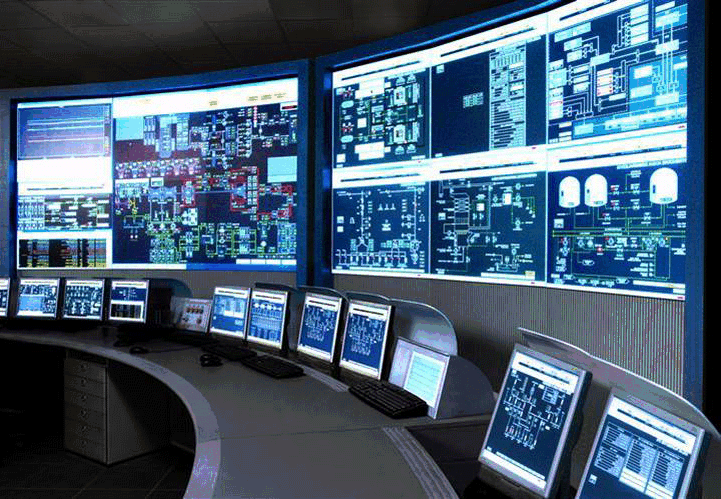
In the intricate world of industrial operations, where precision, efficiency, and safety are paramount, a powerful invisible force is at play: Supervisory Control and Data Acquisition, or SCADA. Often referred to as the “nervous system” of industry, SCADA systems are the unsung heroes that enable the remote monitoring, control, and optimization of critical infrastructure and manufacturing processes. From the flow of oil and gas through vast pipelines to the intricate dance of robotics on a factory floor, SCADA ensures that everything runs smoothly, securely, and smartly.
This comprehensive guide delves into the multifaceted world of SCADA, exploring its core functions, essential components, historical evolution, and its transformative role in the era of the Industrial Internet of Things (IIoT). We will uncover why understanding SCADA is not just beneficial, but essential for anyone involved in modern industrial automation and operations management.
The Fundamental Definition of SCADA
At its heart, SCADA is a powerful software application coupled with dedicated hardware, designed to manage the automation of a process or system. It stands for Supervisory Control and Data Acquisition, a name that perfectly encapsulates its dual primary roles: supervising industrial processes and acquiring vital data from them.
Imagine a conductor leading a vast orchestra, where every instrument plays a specific role to create a harmonious symphony. In this analogy, SCADA is the conductor, orchestrating a multitude of machines, sensors, and control devices to achieve a common operational goal. It doesn’t just collect data; it empowers operators to make informed decisions and exert control over distant or complex systems from a centralized location.
SCADA systems are distinct from other control systems due to their ability to manage large-scale processes spread across multiple physical sites, sometimes spanning thousands of miles. This geographical dispersion is a key characteristic that drove the initial development and continuous evolution of SCADA technology.
The ultimate aim of any SCADA implementation is to enhance efficiency by leveraging data for smarter decision-making, optimize resource allocation, reduce operational costs, and, crucially, alert users to potential system issues before they escalate into costly failures.
Why SCADA Became Indispensable: A Historical Journey
To truly appreciate the significance of SCADA today, we must understand the landscape of industrial control before its widespread adoption. In the early days of industrialization, control was predominantly manual. Operators physically stood in front of panels adorned with switches, dials, and indicator lights. Diagnosing a problem in a remote facility, such as a malfunctioning pump, would require sending personnel to the physical location, a process that was slow, expensive, and often risky.
As industrial processes grew in complexity, scale, and geographical spread, these manual methods became increasingly unsustainable. The need for a more centralized, automated, and efficient approach became starkly apparent.
The genesis of SCADA systems can be traced back to the 1960s. Early iterations were often implemented with minicomputers and relied on rudimentary communication protocols. Over the decades, SCADA technology rapidly evolved, driven by advancements in computing power, networking capabilities, and data storage.
Key evolutionary milestones include:
- First Generation (Monolithic): Isolated systems running on mainframes, with limited connectivity and data sharing.
- Second Generation (Distributed): Introduction of local area networks (LANs) allowing multiple systems to share data, but still largely proprietary.
- Third Generation (Networked): Leveraging wide area networks (WANs) and open system architectures, facilitating greater integration and remote access.
- Fourth Generation (Web-Based/Cloud-Based): The current era, characterized by integration with internet technologies, cloud computing, and advanced analytics, ushering in the age of IIoT.
This continuous evolution has transformed SCADA from isolated control rooms into modern, connected platforms with real-time access, sophisticated analytics, and seamless integration with broader IT systems. Without SCADA, industries would be blind to the intricate dynamics within their systems until failures occurred, leading to significant downtime and financial losses.
The Core Functions of a SCADA System
SCADA systems are designed to perform a set of critical functions that collectively ensure the smooth and efficient operation of industrial processes. These functions can be broadly categorized into data acquisition, supervisory control, alarm management, and reporting.
Data Acquisition: The Senses of the System
Data acquisition is the foundational function of any SCADA system. It’s how the system “sees” and gathers information about the physical world. This process involves collecting raw data from various field devices and converting it into a usable format for analysis and decision-making.
The range of data collected is vast and includes:
- Process Variables: Measurements like temperature, pressure, flow rates, voltage, current, and fluid levels. For instance, in a water treatment plant, SCADA acquires data on water levels in reservoirs, flow rates through pipes, and chemical concentrations.
- Equipment Status: Operational states of machinery such as whether a pump is running or stopped, a valve is open or closed, or a motor’s speed.
- Diagnostic Information: Data related to the health and performance of equipment, including fault history, error codes, and maintenance schedules.
- Production Data: Information relevant to manufacturing outputs, such as units produced, reject rates, and cycle times.
To facilitate data acquisition, SCADA systems utilize a variety of technologies:
- Sensors: These are the “senses” of the system, directly measuring physical parameters and converting them into electrical signals.
- Networked Data Communication: Robust communication infrastructure, whether wired or wireless, is essential to transmit data from geographically dispersed locations to the central SCADA system.
- Programmable Logic Controllers (PLCs) and Remote Terminal Units (RTUs): These intelligent field devices act as intermediaries, collecting data from sensors and transmitting it to the SCADA master station, as well as executing local control commands.
- PC-Based Data Acquisition Software: Specialized software programs within the SCADA system are responsible for collecting, processing, and storing the acquired data. They can convert data into various formats and integrate with other enterprise systems.
Effective data acquisition is paramount for a company’s success. It provides the basic resource for decision-making and planning, allowing operators to understand the current state of operations, identify trends, and anticipate future needs.
Supervisory Control: The Brains of the Operation
Beyond merely collecting data, SCADA systems provide the capability for supervisory control, allowing operators to intervene and manage industrial processes remotely. This involves analyzing the acquired data and issuing commands to field devices to adjust operations.
Supervisory control can range from simple actions to complex automated sequences:
- Adjusting Setpoints: Operators can modify desired operating parameters, such as changing the target temperature in a furnace or regulating the pressure in a pipeline.
- Starting/Stopping Equipment: Remotely activating or deactivating machinery like pumps, motors, or conveyor belts.
- Opening/Closing Valves: Controlling the flow of liquids or gases through industrial networks.
- Implementing Control Strategies: Executing predefined logic or algorithms to optimize a process, such as maintaining a constant liquid level in a tank or blending precise ratios of ingredients.
The “supervisory” aspect implies that while SCADA provides the tools for control, human operators often retain the ultimate decision-making authority, especially for critical or complex interventions. However, modern SCADA systems are increasingly incorporating advanced automation capabilities, allowing for more autonomous operation under defined conditions.
Alarm Management: The Early Warning System
One of the most critical functions of SCADA is alarm management. Industrial processes are dynamic, and deviations from normal operating conditions can indicate potential problems, safety hazards, or impending equipment failures. SCADA systems are designed to detect such anomalies and alert operators promptly.
An effective alarm management system involves:
- Threshold Monitoring: Continuously comparing acquired data against predefined normal operating ranges. If a value exceeds or falls below a threshold (e.g., temperature rises too high, pressure drops too low), an alarm is triggered.
- Event Logging: Recording all alarms and significant events, including their timestamp, nature, and the operator’s response. This creates an invaluable audit trail for troubleshooting and compliance.
- Prioritization: Assigning different levels of urgency to alarms based on their potential impact on operations, safety, or equipment. High-priority alarms demand immediate attention.
- Notification: Alerting operators through various channels, such as on-screen pop-ups, audible signals, email, SMS, or even automated calls.
- Acknowledgement and Resolution Tracking: Requiring operators to acknowledge alarms to ensure they are aware of the issue and tracking the steps taken for resolution.
Robust alarm management significantly reduces downtime, enhances safety by warning of dangerous conditions, and allows for proactive maintenance, transitioning from reactive problem-solving to predictive intervention.
Reporting and Data Visualization: Making Sense of the Chaos
SCADA systems generate vast amounts of data. Without effective reporting and visualization tools, this data would remain a chaotic jumble. SCADA excels at transforming raw data into meaningful and actionable insights.
Key aspects of reporting and data visualization include:
- Real-time Dashboards: Graphical user interfaces (HMIs) that provide operators with an immediate, visual overview of the entire system’s current state. These dashboards typically display key performance indicators (KPIs), sensor readings, equipment status, and active alarms using intuitive diagrams, gauges, and trend lines.
- Historical Data Archiving: Storing long-term historical data for compliance, performance analysis, and troubleshooting. This data can be invaluable for identifying long-term trends, optimizing processes, and predicting future operational patterns.
- Customizable Reports: Generating a variety of reports, including production summaries, energy consumption analysis, alarm summaries, and maintenance logs. These reports can be scheduled or generated on demand to meet specific operational and regulatory requirements.
- Trend Analysis: Visualizing historical data over time to identify patterns, evaluate the effectiveness of control actions, and predict future behavior of equipment or processes.
Effective data visualization and reporting are crucial for operators to readily “see” and “steer” their operations, enabling them to identify potential issues, optimize efficiency, and ensure operational excellence.
The Architecture of a SCADA System: How It All Connects
Understanding how a SCADA system works requires examining its core components and how they interact to form a cohesive and powerful control network. While implementations can vary, a typical SCADA architecture comprises several key elements that work in concert.
Sensors and Field Devices: The Eyes and Ears on the Ground
These are the foundational elements at the lowest level of the SCADA hierarchy. Sensors are transducers that measure physical parameters (temperature, pressure, flow, level, etc.) and convert them into electrical signals. Field devices include actuators (such as motors, pumps, and valves) that receive commands and effect physical changes in the process.
- Function: To gather raw data from the industrial process and to execute direct control actions as instructed.
- Examples: Thermocouples, pressure transducers, flow meters, level sensors, proximity switches, motor starters, variable frequency drives (VFDs), control valves.
- Characteristics: Designed to operate in harsh industrial environments, often robust and specialized for specific measurement or control tasks.
Remote Terminal Units (RTUs) and Programmable Logic Controllers (PLCs): The Local Brains
RTUs and PLCs are intelligent microprocessors that serve as the primary interface between the physical equipment and the central SCADA system. They are often referred to as “controllers.”
- Remote Terminal Units (RTUs):
- Function: Act as data aggregators and local controllers, typically used in geographically dispersed applications like pipelines, water distribution networks, or power grids. They collect data from numerous sensors, perform rudimentary data processing, and transmit the data back to the master station. They can also receive commands from the master station to control field devices.
- Characteristics: Designed for robust, standalone operation in remote, often unmanned, locations. They often have internal battery backups and can operate with more sophisticated communication capabilities (e.g., radio, cellular, satellite).
- Autonomy: Can execute simple logic processes independently (e.g., maintaining a tank level within a certain range) even if communication with the master station is temporarily lost, ensuring critical safety functions remain operational.
- Programmable Logic Controllers (PLCs):
- Function: Similar to RTUs in their ability to interface with sensors and actuators, but traditionally used for local control within a smaller, discrete manufacturing environment, such as a factory floor. They are highly flexible and programmable, executing complex control logic at high speeds.
- Characteristics: Known for their speed, reliability, and modular design, allowing easy expansion and customization. They are excellent for repetitive, high-speed control tasks.
- Integration: While historically distinct, modern PLCs often incorporate communication capabilities making them functionally similar to RTUs in many SCADA applications.
Communication Networks: The Nervous System’s Pathways
The communication network is the backbone of the SCADA system, linking all components and enabling the flow of data and control commands. The choice of communication technology depends on factors such as distance, data volume, required speed, and environmental conditions.
- Types of Networks:
- Wired: Ethernet, fiber optics (for high bandwidth and security over longer distances), serial communication (RS-232, RS-485 for older systems).
- Wireless: Radio (common for remote sites), cellular (3G/4G/5G for wide-area coverage), satellite (for extremely remote locations), Wi-Fi.
- Proprietary vs. Standard Protocols: Many industrial protocols (e.g., Modbus, DNP3, OPC-UA, EtherNet/IP) are used to ensure reliable data exchange between diverse devices and systems.
- Importance: A robust and secure communication network is paramount for real-time data acquisition and reliable control, especially in critical infrastructure applications where latency and data loss can have severe consequences.
SCADA Supervisory Computers/Master Station: The Central Command
This is the “brain” of the SCADA system, where all the collected data is processed, analyzed, and presented, and from which control commands are issued. It typically consists of powerful servers running specialized SCADA software.
- Functions:
- Data Processing and Storage: Aggregates, filters, stores, and archives massive amounts of data from all connected RTUs/PLCs.
- Control Logic Execution: Runs the overall control strategies and algorithms for the entire system, sending commands to RTUs/PLCs based on operational rules and operator input.
- Alarm Management: Processes alarms, broadcasts notifications, and records alarm events.
- Communication Management: Oversees and manages all communication links with field devices.
- Database Management: Stores historical data, configuration information, and event logs.
- Integration: Often integrates with other enterprise systems like Manufacturing Execution Systems (MES) or Enterprise Resource Planning (ERP) to provide a holistic view of operations.
Human-Machine Interface (HMI): The Operator’s Window
The HMI is the graphical user interface that allows human operators to interact with the SCADA system. It is the primary means by which operators monitor processes, visualize data, and exert control.
- Function: Provides an intuitive and visually rich interface for operators to understand the current state of operations, receive alerts, and issue commands.
- Key Features:
- Graphical Representation: Mimic diagrams, flowcharts, and animated representations of the industrial process, making it easy to identify equipment status and data points.
- Real-time Data Display: Digital readouts, gauges, trend charts showing live measurements and key performance indicators.
- Alarm Display: Clear and concise display of active alarms, typically using color-coding and audible alerts.
- Control Buttons/Widgets: Interactive elements for operators to open/close valves, start/stop pumps, adjust setpoints, or initiate sequences.
- Historical Data Views: Tools for viewing and analyzing past performance, trends, and event logs.
- Reporting Tools: Functionality to generate on-demand or scheduled reports.
The HMI is designed to be user-friendly, allowing operators to quickly understand complex situations and respond effectively. It acts as a central processor, enabling data filtering and report generation for remote data acquisition applications.
Types of SCADA Systems: Adapting to Diverse Needs
While the core principles of SCADA remain consistent, the specific architecture and implementation can vary significantly depending on the scale, complexity, and unique requirements of the industrial process. Over time, different classifications of SCADA systems have emerged.
Monolithic SCADA Systems (First Generation)
These were the earliest forms of SCADA, characterized by a centralized architecture where all functions resided on a single, isolated mainframe computer.
- Characteristics: Limited connectivity, proprietary hardware and software, difficult to scale or integrate with other systems.
- Use Cases: Early implementations in specific, contained industrial facilities.
- Limitations: High cost, lack of flexibility, single point of failure.
Distributed SCADA Systems (Second Generation)
As networking technology advanced, SCADA systems evolved to a distributed architecture, utilizing Local Area Networks (LANs) to connect multiple processing stations.
- Characteristics: Allowed for shared data and processing power, improved scalability, and reduced the impact of a single component failure. Still often relied on proprietary protocols.
- Use Cases: Larger plant control where components were physically closer.
- Advantages: Increased reliability and flexibility compared to monolithic systems.
Networked SCADA Systems (Third Generation)
This generation embraced Wide Area Networks (WANs) and open system architectures, facilitating greater interoperability and remote access.
- Characteristics: Leveraged standard network protocols (like TCP/IP), enabling easier communication across dispersed geographical locations and integration with IT systems.
- Use Cases: Industrial processes spanning vast areas, such as oil and gas pipelines, transportation networks, and large utility grids.
- Significance: Paved the way for modern, interconnected SCADA systems and the eventual convergence with IT.
Web-Based/Cloud-Based SCADA (Fourth Generation)
The latest evolution of SCADA integrates internet technologies, cloud computing, and mobile access.
- Characteristics: Operators can monitor and control processes from virtually any location with internet access, using web browsers or mobile applications. Data storage and processing can be hosted in the cloud, offering enhanced scalability, flexibility, and reduced on-premise infrastructure requirements.
- Use Cases: Emerging in industries seeking greater accessibility, data analytics capabilities, and reduced infrastructure overhead. Essential for IIoT deployments.
- Advantages: Enhanced collaboration, global accessibility, robust data analytics capabilities, and easier integration with other enterprise-level applications.
Beyond these generational classifications, SCADA systems can also be described by their configuration, such as a master/slave system, which allows complete control of communications and distribution of data only when a significant change is detected, making it a popular choice for data acquisition.
The continuous evolution reflects the industry’s ongoing need for more efficient, reliable, and accessible control systems to manage increasingly complex and geographically distributed operations.
Where SCADA Makes a Difference: Industry Applications
SCADA systems are ubiquitous, operating silently behind the scenes to power some of the most critical industries and infrastructure that underpin modern society. Their ability to provide real-time visibility, remote control, and data acquisition makes them invaluable across a diverse range of applications.
Manufacturing: Precision on the Production Line
In manufacturing, SCADA systems are instrumental in automating and optimizing production processes, from discrete manufacturing to continuous process industries.
- Process Control: Managing the precise mixing of ingredients, regulating temperatures in furnaces, controlling conveyor belts, and orchestrating robotic assembly lines.
- Quality Control: Monitoring process variables to ensure product consistency and identify deviations that could lead to defects.
- Inventory Management: Tracking raw materials, work-in-progress, and finished goods to optimize stock levels and prevent shortages.
- Energy Management: Monitoring and controlling energy consumption of machinery and facilities to reduce costs and improve sustainability.
- Predictive Maintenance: Analyzing historical data to predict equipment failures, allowing for proactive maintenance and minimizing downtime.
Oil and Gas: Taming the Energy Flow
The oil and gas industry relies heavily on SCADA for the safe and efficient extraction, transportation, and refining of hydrocarbons.
- Pipeline Monitoring: Monitoring pressure, flow rates, and temperatures along thousands of miles of pipelines to detect leaks, prevent overpressure, and optimize flow.
- Wellhead Control: Remotely controlling pumps, valves, and other equipment at oil and gas wellheads.
- Refinery Operations: Managing complex chemical processes, controlling distillation columns, and ensuring safety in hazardous environments.
- Storage Tank Monitoring: Tracking levels and conditions in large storage tanks.
- Security: Detecting unauthorized access or anomalies that could indicate tampering or sabotage.
Water and Wastewater Management: Ensuring Clean and Safe Water
SCADA systems play a vital role in ensuring the delivery of clean water and the proper treatment of wastewater, essential for public health and environmental protection.
- Water Treatment Plants: Monitoring and controlling chemical dosing, filtration processes, and disinfection stages.
- Water Distribution Networks: Managing pump stations, regulating pressure, and monitoring water levels in reservoirs and elevated tanks across vast areas.
- Wastewater Treatment Plants: Overseeing aeration, sedimentation, and biological treatment processes.
- Leak Detection: Identifying abnormal flow patterns that could indicate leaks in the distribution network, reducing water loss.
Power Generation and Distribution: Keeping the Lights On
The electricity sector is highly dependent on SCADA for the reliable generation, transmission, and distribution of power.
- Power Plants: Monitoring and controlling critical parameters in thermal, hydro, nuclear, and renewable energy (wind, solar) power generation facilities.
- Substation Automation: Managing circuit breakers, transformers, and switches in electrical substations to ensure stable power delivery and quickly isolate faults.
- Grid Management: Optimizing the flow of electricity across the grid, balancing supply and demand, and responding to load changes.
- Renewable Energy Integration: Managing and monitoring wind farms and solar arrays, including individual turbine or panel performance.
Transportation: Safe and Efficient Movement
SCADA systems contribute to the safety and efficiency of various transportation modes.
- Railways: Monitoring train movements, signaling systems, track conditions, and controlling railway switches.
- Traffic Management: Controlling traffic lights, monitoring tunnel conditions, and managing variable message signs on highways.
- Airport Systems: Managing baggage handling systems, runway lighting, and facility controls.
Building Management Systems (BMS): Smart and Sustainable Buildings
Large commercial and industrial buildings use SCADA principles within their Building Management Systems to optimize comfort, safety, and energy efficiency.
- HVAC Control: Regulating heating, ventilation, and air conditioning systems to maintain desired temperatures and air quality.
- Lighting Control: Automating lighting schedules and adjusting illumination based on occupancy and natural light.
- Security and Access Control: Monitoring surveillance cameras, managing access points, and integrating with fire alarm systems.
- Energy Optimization: Monitoring energy consumption of various building systems and identifying opportunities for savings.
The versatility of SCADA systems means they are continually finding new applications as industries strive for greater automation, efficiency, and data-driven decision-making.
SCADA in the Era of IIoT: A Powerful Synergy
The advent of the Industrial Internet of Things (IIoT) has ushered in a new era for industrial automation, where connectivity, data analytics, and artificial intelligence are transforming operations. Far from being rendered obsolete, SCADA systems are proving to be a foundational and indispensable layer within IIoT ecosystems.
SCADA as the Data Backbone for IIoT
IIoT relies heavily on the continuous collection of data from various sources within an industrial environment. SCADA systems, with their inherent capabilities in data acquisition from sensors and field devices, naturally serve as the primary conduits for feeding this critical operational data into IIoT platforms.
- Raw Data Collection: SCADA systems are already collecting the precise, real-time data on process variables, equipment status, and operational events that IIoT platforms need for advanced analytics.
- Control Integration: SCADA provides the vital link to the physical world, enabling IIoT platforms to not only analyze data but also to initiate control actions or recommendations that are executed through the SCADA system.
- Contextualization: SCADA historical data and contextual information (e.g., equipment IDs, process tags) enrich the raw sensor data, making it more meaningful for IIoT analytics.
Convergence of IT and OT
The integration of SCADA with IIoT platforms represents a significant milestone in the convergence of Information Technology (IT) and Operational Technology (OT). Historically, IT and OT operated in distinct silos, with different protocols, security considerations, and operational objectives.
- Bridging the Gap: IIoT platforms act as a bridge, allowing operational data from SCADA to be securely shared with enterprise IT systems for broader business intelligence, supply chain optimization, and predictive analytics.
- Enhanced Decision-Making: This convergence enables better decision-making by providing a holistic view of the organization, linking operational performance directly to business outcomes.
- Remote Accessibility: IT networks and cloud infrastructure allow for secure remote access to SCADA data and controls, enhancing flexibility and responsiveness.
Advanced Analytics and Predictive Capabilities
By integrating SCADA data with IIoT platforms, industries can unlock powerful new capabilities:
- Predictive Maintenance: IIoT analytics can process vast amounts of SCADA data (e.g., vibration, temperature trends) to predict equipment failures before they occur, enabling scheduled maintenance and avoiding costly unplanned downtime.
- Process Optimization: Machine learning algorithms can analyze SCADA data to identify inefficiencies, optimize control parameters, and improve overall process performance and yield.
- Performance Monitoring: Real-time dashboards and analytics tools provide deeper insights into operational KPIs, allowing for continuous performance improvement.
- Energy Optimization: Analyzing energy consumption patterns captured by SCADA can lead to significant energy savings and improved sustainability.
Security in a Connected World
The convergence of SCADA and IIoT also introduces enhanced cybersecurity challenges. As SCADA systems become more interconnected with enterprise networks and the internet, they become more exposed to cyber threats.
- Increased Attack Surface: The expanded network connectivity of IIoT increases the potential entry points for malicious actors.
- Critical Infrastructure Risk: Many SCADA systems control critical infrastructure (power, water), making them attractive targets for cyber warfare or sabotage.
- Importance of Robust Security: Implementing multi-layered security strategies, including network segmentation, intrusion detection systems, endpoint protection, and continuous monitoring, is critical for protecting SCADA/IIoT environments.
- Secure by Design: Adopting a “security by design” approach for all IIoT components, from sensors to cloud platforms, is essential.
The synergy between SCADA and IIoT is not just about technology; it’s about transforming industrial operations from reactive to proactive, from isolated to interconnected, and from data-rich to insight-driven.
Multi-Tenant IIoT Platforms for Global OEMs: The Future of Industrial Service
For Global Original Equipment Manufacturers (OEMs), the integration of SCADA with multi-tenant IIoT platforms represents a monumental leap forward in how they deliver services, manage their deployed assets, and interact with their customers. These platforms are designed to serve multiple customers securely and efficiently from a single, shared infrastructure.
The Challenge for Global OEMs
OEMs often deploy thousands, if not millions, of devices and machines across diverse customer sites globally. Managing these assets, providing remote support, conducting predictive maintenance, and offering value-added services presents significant challenges:
- Scalability: How to manage a rapidly growing number of devices and the torrents of data they generate across different customers and geographical regions?
- Security: How to ensure data privacy and operational security for each customer while using a shared service infrastructure?
- Cost Efficiency: How to develop and maintain a robust, feature-rich service offering without incurring prohibitive infrastructure and development costs?
- Time-to-Market: How to rapidly deploy new services and features to a global customer base?
- Standardization vs. Customization: How to offer standardized solutions while accommodating the unique operational needs of different customers?
The Multi-Tenant IIoT Platform Solution
Multi-tenant IIoT platforms address these challenges by providing a scalable, secure, and cost-effective framework for OEMs to connect, monitor, and manage their products in the field.
- Enhanced Scalability:
- Shared Resources: The underlying platform infrastructure (servers, databases, network resources) is shared across multiple tenants (customers), allowing for efficient resource utilization.
- Elasticity: Cloud-based multi-tenant platforms can dynamically scale resources up or down based on demand, seamlessly accommodating growth in device count and data volume without manual intervention.
- Global Reach: Easily deployable across different cloud regions to ensure low latency and compliance with regional data regulations.
- Robust Security and Data Isolation:
- Logical Separation: Despite sharing physical infrastructure, each customer’s data and operational environment are logically isolated. This means one customer cannot access another’s data or control their devices.
- Role-Based Access Control (RBAC): Granular access controls ensure that only authorized users can view specific data or perform certain actions within their tenant environment.
- Compliance: Designed to meet stringent industry and regulatory compliance standards, critical for sectors like healthcare, energy, and government.
- Strategic Benefits for OEMs:
- Reduced Infrastructure Costs: OEMs avoid the need to build and maintain separate, costly IT infrastructures for each customer. The operational burden is handled by the platform provider.
- Faster Time-to-Market: Leverage pre-built services, APIs, and development tools within the platform to quickly develop and deploy new IIoT applications and customer services.
- Standardized Solutions: Offer a consistent set of features and functionalities across the entire customer base, ensuring a high-quality and reliable service experience.
- New Revenue Streams: Enable OEMs to transition from product-centric business models to service-centric models, offering predictive maintenance contracts, performance monitoring subscriptions, and equipment-as-a-service.
- Data-Driven Product Improvement: Aggregate anonymized data across their entire installed base to gain insights into product performance, identify common failure modes, and drive future product innovation.
- Improved Customer Relationships: Provide customers with real-time transparency into their equipment’s performance, proactive support, and the ability to optimize their own operations, fostering stronger partnerships.
- Modernization and Future-Proofing:
- Cloud-Native Architecture: Facilitates the transition from traditional, on-premise SCADA systems to more agile and flexible cloud-based or hybrid IIoT architectures.
- Integration Capabilities: Easily integrates with existing ERP, CRM, and other enterprise systems to provide a unified view of customer and operational data.
- AI/ML Integration: Provides a platform for integrating advanced Artificial Intelligence and Machine Learning capabilities for deeper insights and automation.
Ultimately, multi-tenant IIoT platforms empower global OEMs to enhance their customer value proposition, optimize internal operations, reduce costs, and accelerate their pace of innovation in a highly competitive global market. They represent the leading edge of industrial service delivery in the connected age.
The Future of SCADA: Smart, Secure, and Integrated
The trajectory of SCADA systems points towards an even more intelligent, interconnected, and secure future. As technology continues its relentless march forward, several key trends will shape the next generation of industrial control.
Artificial Intelligence and Machine Learning (AI/ML) Integration
The integration of AI and ML is perhaps the most transformative trend in SCADA. These technologies will move SCADA beyond simple data collection and control to predictive, adaptive, and autonomous operations.
- Predictive Analytics: AI algorithms will analyze vast datasets from SCADA to predict equipment failures with greater accuracy, anticipate process deviations, and forecast demand more effectively.
- Adaptive Control: ML models can learn from operational data to dynamically adjust control parameters, optimizing processes for efficiency, energy consumption, or product quality in real-time.
- Anomaly Detection: AI can identify subtle anomalies in process data that humans might miss, signaling potential problems before they escalate into major issues.
- Automated Decision-Making: For certain non-critical processes, AI could enable autonomous decision-making and control, reducing the need for constant human intervention.
Enhanced Cybersecurity
Given the increasing connectivity and critical nature of SCADA systems, cybersecurity will remain a top priority and a continuous area of innovation.
- Threat Intelligence: Leveraging global threat intelligence feeds to proactively identify and mitigate emerging cyber threats targeting industrial control systems.
- Blockchain for Security: Exploring blockchain technology for immutable data logging, secure identity management, and ensuring the integrity of control commands.
- AI-Powered Security: AI and ML will be used to detect sophisticated cyberattacks faster, analyze network traffic for malicious patterns, and automate incident response actions.
- Zero Trust Architecture: Implementing “never trust, always verify” security principles, where every user, device, and application must be authenticated and authorized, regardless of their location within the network.
Edge Computing
With the explosion of data generated by IIoT devices, processing data closer to the source (at the “edge” of the network) rather than sending everything to the cloud offers significant advantages.
- Reduced Latency: Critical data can be processed and acted upon in real-time, which is crucial for high-speed or safety-critical control loops.
- Bandwidth Optimization: Only relevant or aggregated data needs to be sent to the cloud, reducing network traffic and associated costs.
- Enhanced Reliability: Local processing can continue even if cloud connectivity is temporarily lost.
- Data Security: Sensitive data can be processed and filtered at the edge, reducing the amount of raw, sensitive data transmitted over networks.
Digital Twins
Digital twins are virtual replicas of physical assets, processes, or entire systems. When integrated with SCADA, they offer unprecedented capabilities for simulation, analysis, and optimization.
- Virtual Prototyping: Testing control strategies and operational changes in a simulated environment before deploying them to the real system.
- Predictive Modeling: Simulating various scenarios to predict how changes in parameters or external factors will affect the physical system.
- Real-time Monitoring and Diagnostics: The digital twin constantly updates with live SCADA data, providing an always-current view of the physical asset’s status and health.
- Operator Training: Providing a realistic simulation environment for training operators without risking real equipment.
Human-Machine Teaming and Augmented Reality (AR)
The role of the human operator will evolve from direct manual control to supervisory oversight, enabled by advanced human-machine interfaces.
- AR for Field Operations: Overlaying real-time SCADA data, maintenance instructions, or digital twin visualizations onto physical equipment using AR headsets, empowering field technicians with critical information.
- Intuitive HMIs: HMIs will become even more intelligent, presenting operators with curated insights and recommended actions, rather than just raw data.
- Voice Control and Natural Language Processing: Enabling operators to interact with SCADA systems using voice commands, enhancing efficiency and hands-free operation.
In essence, the future of SCADA is about creating highly autonomous, resilient, and intelligent industrial ecosystems that can not only react to changes but also anticipate and adapt, continuously optimizing for performance, safety, and sustainability.
Partnering with IoT Worlds: Unleash the Full Potential of Your Industrial Operations
The world of industrial automation and control is undergoing a profound transformation. As discussed, SCADA systems are at the very heart of this evolution, serving as the critical backbone for data acquisition, supervisory control, and increasingly, integration with the Industrial Internet of Things (IIoT). For businesses striving for operational excellence, enhanced efficiency, and a competitive edge, understanding and leveraging the power of SCADA and IIoT is no longer an option—it’s a necessity.
At IoT Worlds, we are at the forefront of this industrial revolution. We specialize in providing comprehensive solutions that bridge the gap between traditional SCADA systems and the cutting-edge capabilities of IIoT. Our expertise enables organizations across diverse sectors—from manufacturing and energy to water management and transportation—to unlock unprecedented levels of visibility, control, and intelligence within their operations.
Why choose IoT Worlds as your partner?
- Deep SCADA Expertise: We possess a profound understanding of SCADA architectures, protocols, and best practices, ensuring your foundational control systems are robust, reliable, and secure.
- IIoT Integration Specialists: Our team excels in seamlessly integrating your existing SCADA infrastructure with advanced IIoT platforms, transforming raw operational data into actionable insights for predictive maintenance, process optimization, and strategic decision-making.
- Customized Solutions: We recognize that every industrial environment is unique. We work closely with you to design and implement tailored SCADA and IIoT solutions that address your specific challenges and strategic objectives.
- Future-Proofing Your Operations: We help you navigate the complexities of IT/OT convergence, edge computing, AI/ML integration, and cybersecurity, ensuring your industrial control systems are ready for the demands of tomorrow.
- Empowering Global OEMs: For Original Equipment Manufacturers, we offer specialized multi-tenant IIoT platform solutions that enhance scalability, ensure robust security, reduce costs, and enable new service models that foster stronger customer relationships.
- Focus on Security and Reliability: In an increasingly connected world, cybersecurity is paramount. We build security into every layer of our solutions, protecting your critical infrastructure from evolving threats.
Whether you’re looking to modernize an aging SCADA system, implement an IIoT strategy, optimize your manufacturing processes, or develop a cutting-edge service offering for your global customer base, IoT Worlds is your trusted partner. We bring innovation, expertise, and a commitment to helping you achieve your operational goals.
Ready to revolutionize your industrial operations and unlock the full potential of your data?
We invite you to reach out to our team of experts to discuss your unique needs and explore how IoT Worlds can empower your business with smart, secure, and integrated SCADA and IIoT solutions.
Contact us today at info@iotworlds.com and let’s build the future of industrial automation together.