

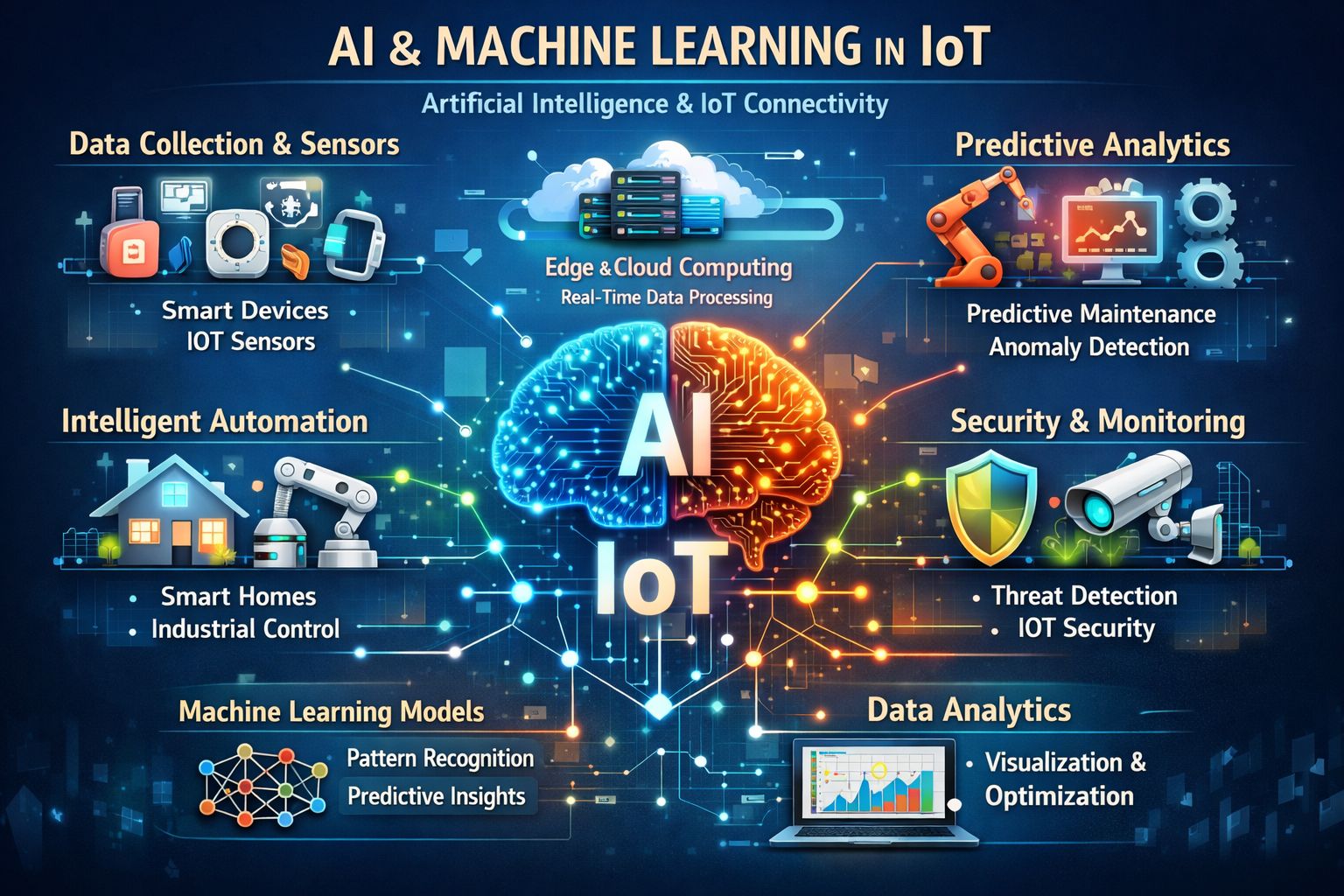
The Internet of Things (IoT) has revolutionized how we interact with the physical world, connecting myriad devices and sensors to create an expansive network of data. However, mere connectivity is only the first step. The true transformative power of IoT is unleashed when combined with Artificial Intelligence (AI) and Machine Learning (ML). Without AI and ML, IoT devices primarily collect data; with them, IoT systems become intelligent, capable of making smart decisions, automating processes, and predicting future outcomes. This comprehensive exploration delves into the symbiotic relationship between AI, ML, and IoT, highlighting their converged impact across various sectors and outlining the fundamental principles that govern their synergistic operation.
The Foundation: From Data Collection to Intelligent Action
At its core, IoT is about data. Billions of interconnected devices, from industrial sensors to wearable healthcare gadgets, are constantly generating vast torrents of information about their surroundings, their operational status, and user interactions. This raw data, while valuable, requires sophisticated processing to yield actionable insights. This is where AI and ML step in, acting as the brains behind the brawn of IoT.
The Deluge of Data from IoT Devices
IoT devices are prolific data generators. Consider a smart factory with hundreds of sensors monitoring temperature, pressure, vibration, and machinery performance. Or a smart city deployed with cameras, traffic sensors, and environmental monitors. Each of these devices contributes to an ever-growing dataset that, if properly analyzed, can reveal crucial patterns and trends.
Without AI and ML, extracting meaningful information from this data deluge would be an insurmountable task for humans. The sheer volume, velocity, and variety of IoT data necessitate automated, intelligent processing. AI algorithms are designed to sift through this noise, identify relevant signals, and build models that can interpret complex relationships within the data.
Turning Data into Intelligence: The AI/ML Imperative
The primary function of AI and ML in IoT is to transform raw data into intelligence. This intelligence manifests in several critical ways:
- Detecting Patterns: ML algorithms excel at identifying subtle, recurring patterns in data that might be invisible to human observation. These patterns can indicate normal operating conditions, abnormal behavior, or emerging trends. For example, slight variations in temperature or vibration data from a machine might reveal an impending mechanical failure.
- Predicting Outcomes: Armed with pattern recognition capabilities, AI and ML models can forecast future events or system states. This predictive power is invaluable for proactive decision-making. Imagine a smart grid predicting peak energy demands or a healthcare system foreseeing potential health risks.
- Making Automated Decisions: One of the most impactful applications of AI/ML in IoT is the ability to enable autonomous decision-making. Based on analyzed data and predicted outcomes, IoT systems can automatically adjust settings, trigger alerts, or initiate corrective actions without human intervention. This leads to increased efficiency, reduced human error, and faster response times.
- Improving System Efficiency: By continuously analyzing performance data and identifying areas for optimization, AI and ML can significantly enhance the efficiency of IoT systems. This could involve optimizing energy consumption in smart buildings, streamlining supply chain logistics, or improving the precision of robotic operations in manufacturing.
A Foundational Example: Smart Energy Meters
Consider the humble smart energy meter. Traditionally, these devices simply record electricity consumption. However, when integrated with AI and ML, they become far more intelligent. By analyzing historical consumption patterns, external factors like weather data, and even user preferences, an AI-powered smart meter can predict peak usage times. This prediction allows for dynamic pricing strategies, encourages users to shift non-essential tasks to off-peak hours, and ultimately helps in balancing the load on the power grid, leading to more efficient energy distribution and reduced costs. This seemingly simple application underscores the fundamental shift that AI and ML bring to IoT: from passive data collection to active, intelligent management.
Predictive Maintenance: Moving Beyond Reactive Repairs
One of the most significant advancements brought about by the integration of AI and ML within IoT is the paradigm shift from reactive to predictive maintenance. Historically, equipment maintenance has been largely reactive: machines were repaired only after they broke down, leading to costly downtime, production losses, and potential safety hazards. Predictive maintenance, powered by AI and ML, offers a superior alternative by anticipating failures before they occur.
The Limitations of Traditional Maintenance Approaches
Traditional maintenance strategies often fall into two categories:
- Reactive Maintenance: Wait for a failure to occur, then fix it. This approach is simple but often leads to unexpected downtime, rushed repairs, and higher overall costs due to emergency interventions and potential damage to other components.
- Preventive Maintenance: Schedule maintenance at fixed intervals, regardless of the actual condition of the equipment. While better than reactive, this can lead to unnecessary maintenance, replacing parts prematurely, or missing issues that develop rapidly between scheduled inspections.
Both approaches are inherently inefficient and can be detrimental in critical industrial settings where continuous operation is paramount.
AI Models: The Sherlock Holmes of Machinery
The core of predictive maintenance lies in the ability of AI models to analyze vast streams of sensor data from machinery. IoT sensors embedded in industrial equipment, vehicles, and power plants meticulously monitor a range of parameters, including:
- Vibration: Changes in vibration patterns can indicate bearing wear, misalignment, or imbalances.
- Temperature: Elevated temperatures can signal overheating, friction issues, or electrical problems.
- Acoustic Emissions: Unusual sounds can point to loose components, leaks, or cavitation.
- Pressure: Fluctuations in pressure can indicate blockages, pump failures, or system leaks.
- Current and Voltage: Anomalies in electrical signals can reveal motor winding issues or power supply problems.
AI models, particularly those leveraging machine learning techniques like supervised learning (for known failure modes) and unsupervised learning (for anomaly detection), are trained on historical data, including both normal operating conditions and data corresponding to past failures.
Detecting Abnormalities and Predicting Failures
Once trained, these AI models continuously process real-time sensor data. They are designed to:
- Detect Abnormalities: Identify deviations from normal operating patterns. A small, persistent increase in vibration amplitude, for instance, might be flagged as an anomaly.
- Predict Failures: Based on detected abnormalities and learned correlations, the models can predict the likelihood and potential timing of an impending failure. The more data they process, the more accurate their predictions become. This prediction isn’t just about “if” a failure will happen, but often “when” and “how severe” it might be.
- Determine Root Causes: Advanced AI models can even provide insights into the probable root cause of a detected anomaly, helping maintenance teams pinpoint the specific issue more quickly.
Reducing Downtime and Optimizing Operations
The immediate benefit of predictive maintenance is a significant reduction in unscheduled downtime. By predicting failures in advance, maintenance teams can:
- Schedule Repairs Proactively: Interventions can be planned for during off-peak hours or scheduled maintenance windows, minimizing operational disruption.
- Order Parts in Advance: Knowing which parts are likely to fail allows for just-in-time inventory management, reducing storage costs and ensuring availability.
- Optimize Maintenance Activities: Maintenance efforts can be focused precisely where and when they are needed most, rather than adhering to rigid schedules.
- Extend Equipment Lifespan: Addressing minor issues before they escalate into major failures can prolong the operational life of expensive assets.
Industry Applications: From Power Plants to Manufacturing
Predictive maintenance powered by AI and IoT is being widely adopted across diverse industries:
- Manufacturing: Monitoring assembly lines, robotic arms, and CNC machines to prevent production halts.
- Power Plants: Ensuring continuous operation of turbines, generators, and cooling systems.
- Oil and Gas: Monitoring pipelines, drilling equipment, and offshore platforms to prevent catastrophic failures and environmental incidents.
- Transportation: Predicting maintenance needs for aircraft engines, railway components, and fleet vehicles.
- Smart Buildings: Monitoring HVAC systems, elevators, and electrical infrastructure to ensure uninterrupted service and optimize energy consumption.
The economic and operational benefits of predictive maintenance are substantial, making it a cornerstone of modern industrial operations and a powerful testament to the combined strength of AI, ML, and IoT.
Smart Healthcare: Revolutionizing Patient Care and Wellness
The healthcare industry is undergoing a profound transformation with the convergence of IoT, AI, and ML. This integration is leading to “smart healthcare,” where technology empowers individuals to manage their health proactively, provides clinicians with richer insights, and enables more efficient and effective delivery of care. From remote monitoring to personalized treatment plans, AI and ML are unlocking new frontiers in medical innovation within the IoT ecosystem.
Wearable IoT Devices: The Personal Health Sentinels
Wearable IoT devices have become ubiquitous, ranging from smartwatches and fitness trackers to specialized medical sensors. These devices continuously collect a wealth of personal health data, including:
- Heart Rate and Heart Rate Variability: Indicating cardiovascular health and stress levels.
- Blood Pressure: Crucial for managing hypertension and preventing cardiovascular events.
- Sleep Patterns: Tracking sleep duration, quality, and detection of sleep disorders.
- Activity Levels: Monitoring steps taken, calories burned, and overall physical activity.
- Blood Glucose Levels: Essential for diabetes management.
- Oxygen Saturation: Important for respiratory conditions.
- Temperature: Detecting fevers or changes in body temperature.
This constant stream of data, flowing from the individual’s body to the cloud, forms the raw material for AI and ML algorithms to generate personalized health insights.
ML Algorithms: The Diagnostic Powerhouse
Machine Learning algorithms are the analytical engine behind smart healthcare. They process the massive datasets generated by IoT devices to achieve several critical objectives:
- Detect Irregular Heartbeats (Arrhythmias): ML models can identify subtle anomalies in electrocardiogram (ECG) data captured by wearables, providing early detection of potentially life-threatening cardiac conditions like atrial fibrillation.
- Predict Health Risks: By analyzing trends in multiple biometric data points, coupled with demographic information and medical history, ML algorithms can predict an individual’s susceptibility to certain diseases or the likelihood of adverse health events, such as a diabetic crisis or a fall for elderly individuals.
- Provide Real-time Alerts: When an ML model detects a significant deviation from baseline health parameters or identifies a high-risk situation, it can trigger immediate alerts to the user, their family, or even emergency services. This can be crucial in preventing severe health deterioration or enabling rapid intervention.
- Analyze Gait Patterns: For elderly individuals or those recovering from injuries, ML can analyze gait data from wearables to detect subtle changes that might indicate an increased risk of falls, allowing for early intervention.
- Medication Adherence Monitoring: Smart pill dispensers paired with IoT sensors can record when medication is taken, and ML can identify patterns of non-adherence and send reminders or alerts.
Faster Diagnosis and Better Patient Care
The net result of integrating AI and ML with IoT in healthcare is a significant improvement in patient outcomes through:
- Early Detection: Many conditions are more treatable when caught early. Real-time monitoring and predictive analytics enable earlier diagnosis.
- Proactive Intervention: Clinicians can intervene before a condition becomes critical, leading to better management and reduced hospitalization rates.
- Personalized Treatment Plans: ML algorithms can tailor treatment recommendations based on an individual’s unique physiological responses, genetic makeup, and lifestyle data.
- Remote Patient Monitoring (RPM): For chronic disease management, RPM allows healthcare providers to continuously monitor patients outside of clinical settings, reducing the need for hospital visits and improving quality of life.
- Reduced Healthcare Costs: By preventing or proactively managing acute conditions, smart healthcare can significantly lower the overall costs associated with medical care.
- Empowered Patients: Individuals gain greater control and understanding of their own health, fostering a more proactive approach to wellness.
Ethical Considerations in Smart Healthcare
While the benefits are immense, the ethical implications of collecting and analyzing sensitive health data must be carefully considered. Issues such as data privacy, security, algorithmic bias, and informed consent are paramount. Robust regulatory frameworks and ethical guidelines are essential to ensure that smart healthcare technologies are developed and deployed responsibly.
The synergy between IoT, AI, and ML is transforming healthcare into a more predictive, personalized, and preventive system, promising a future of enhanced well-being and more efficient medical services.
Smart Transportation: Orchestrating the Movement of the Future
The world’s transportation systems are the lifeblood of global economies and daily life. As populations grow and urbanization intensifies, managing traffic, ensuring safety, and optimizing logistics become increasingly complex. The integration of AI and IoT is poised to revolutionize transportation, creating “smart transportation” systems that are more efficient, safer, and environmentally friendly. From urban traffic management to autonomous vehicles, AI and ML are the intelligence driving the future of mobility.
The Challenges of Modern Transportation
Modern transportation faces numerous challenges:
- Traffic Congestion: Leading to wasted time, fuel, and increased pollution.
- Accidents: Resulting in fatalities, injuries, and significant economic losses.
- Inefficient Public Transport: Often failing to meet demand or provide convenient service.
- Logistical Complexities: Optimizing delivery routes and supply chains is a constant battle.
- Environmental Impact: Emissions from vehicles contribute significantly to air pollution and climate change.
IoT devices, such as traffic sensors, cameras, GPS trackers, and connected vehicles, generate enormous datasets that can provide real-time insights into these challenges. AI and ML are the tools that extract actionable intelligence from this data.
AI + IoT: A Powerful Partnership for Mobility
The combination of AI and IoT addresses these challenges by enabling:
- Traffic Prediction and Management:
- Data Sources: IoT sensors (inductive loops, radar, cameras), GPS data from connected vehicles, weather data, and public event schedules.
- AI/ML Role: ML algorithms analyze historical and real-time traffic patterns to predict congestion hotspots, travel times, and incident impacts. AI-powered traffic lights can dynamically adjust timing based on real-time flow.
- Outcome: Reduced congestion, optimized traffic flow, and better informed commuters.
- Route Optimization:
- Data Sources: Real-time traffic, road conditions, weather, public transport schedules, and destination information.
- AI/ML Role: Advanced routing algorithms consider multiple variables to suggest the most efficient routes for individual drivers, public transport, and logistics fleets, minimizing travel time, fuel consumption, and delivery costs.
- Outcome: Faster commutes, efficient logistics, and reduced operational costs for businesses.
- Autonomous Systems:
- Data Sources: Cameras, LiDAR, radar, ultrasonic sensors, and GPS on self-driving vehicles, coupled with real-time mapping data.
- AI/ML Role: Deep learning models enable autonomous vehicles to perceive their environment, understand road signs, detect pedestrians and other vehicles, predict their movements, and make real-time driving decisions. This includes path planning, obstacle avoidance, and adaptive cruise control.
- Outcome: The promise of safer roads, increased accessibility, and potentially new models of shared mobility.
- Accident Prevention and Safety:
- Data Sources: Vehicle telematics, dashcam footage, infrastructure sensors, and historical accident data.
- AI/ML Role: ML models can identify dangerous driving behaviors (e.g., erratic lane changes, hard braking), detect potential collision scenarios, and trigger in-vehicle warnings or autonomous braking systems. AI can also analyze accident data to identify high-risk locations and inform infrastructure improvements.
- Outcome: Significant reduction in traffic accidents, improved road safety for all users.
- Smart Parking:
- Data Sources: Ground sensors, cameras, and mobile app input indicating parking space availability.
- AI/ML Role: AI algorithms process real-time parking data to guide drivers to available spots, reducing cruising time and congestion in commercial areas.
- Outcome: Reduced parking stress, optimized space utilization, and less traffic circling for parking.
Building Smarter Cities with Intelligent IoT
The ambition of “smarter cities” is deeply intertwined with intelligent IoT in transportation. By integrating these systems, cities can:
- Improve Air Quality: Reduced congestion and optimized routes lead to lower vehicle emissions.
- Enhance Public Transit: AI-driven optimization of bus and train schedules based on ridership patterns can make public transport more appealing and efficient.
- Facilitate Urban Planning: Data collected from smart transportation systems provides valuable insights for urban planners to design more efficient infrastructures and respond to growing needs.
- Emergency Response Optimization: AI can guide emergency vehicles through the fastest routes, dynamically adjust traffic lights, and provide real-time information to first responders about accident scenes.
The synergistic application of AI and ML to IoT data is not just about making trips faster; it’s about fundamentally rethinking how we move people and goods, paving the way for a safer, more efficient, and sustainable urban future.
Smart Homes & Automation: Living in an Intelligent Environment
The concept of the “smart home” has evolved rapidly from science fiction to everyday reality, largely thanks to the seamless integration of IoT devices with Artificial Intelligence and Machine Learning. Beyond mere remote control, AI and ML empower smart homes to learn, adapt, and predict, transforming passive dwellings into intelligent, responsive environments that enhance comfort, security, and energy efficiency.
Learning User Behavior: The Foundation of Smart Automation
At the heart of an intelligent smart home system is its ability to learn from its occupants. IoT devices, such as smart thermostats, lighting systems, door locks, and appliances, constantly collect data on user interactions, environmental conditions, and behavioral patterns.
- Time-based patterns: When do occupants typically wake up, leave for work, or go to bed?
- Preference data: What are the preferred temperature settings at different times of the day or in various seasons? What lighting levels are favored for reading versus relaxing?
- Environmental data: How does external temperature impact internal comfort? How does natural light change throughout the day?
- Occupancy patterns: Which rooms are used most frequently, and when?
ML algorithms process this vast amount of data, identifying recurring patterns and building a sophisticated model of the household’s routines and preferences. This learned intelligence is what differentiates a truly smart home from one that merely offers app-controlled features.
Adaptive Comfort: Lights, AC, and Beyond
Based on the learned user behavior, AI and ML enable smart home systems to adapt and automate functions autonomously:
- Lights adjust automatically (💡): Instead of manually switching lights, an AI-powered system can learn that occupants prefer brighter lights in the kitchen during meal prep times and dimmer, warmer lights in the living room in the evenings. It can then automatically adjust lighting levels and color temperatures based on time of day, natural light availability, and even whether a room is occupied. Motion sensors, combined with ML, ensure lights are only on when needed, saving energy.
- AC adapts to your comfort (🌡): Smart thermostats leverage ML to go beyond simple scheduling. They learn thermal preferences, factor in external weather forecasts, and understand the thermal characteristics of the home. An ML model can pre-cool or pre-heat a house intelligently, ensuring optimal comfort upon arrival while minimizing energy waste. It can even detect open windows and temporarily adjust HVAC operations.
- Automated Blinds/Shades: Integrated with ambient light sensors and weather data, AI can automatically adjust blinds throughout the day to maximize natural light, minimize glare, and optimize insulation, contributing to thermal comfort and energy savings.
- Smart Appliances: Refrigerators can track inventory and suggest recipes, washing machines can optimize cycles based on load size and fabric type, and ovens can preheat at the ideal time based on learned cooking habits.
Security Systems: Detecting Unusual Activity (🔐)
Home security is significantly enhanced by the integration of AI and ML with IoT devices:
- Smart Cameras: Beyond basic motion detection, AI-powered security cameras can differentiate between pets, known residents, and potential intruders. ML algorithms can detect suspicious activities, such as lingering around the property, package delivery, or unusual entry attempts, reducing false alarms and providing more intelligent alerts.
- Smart Door Locks: Connected locks, combined with facial recognition or biometric authentication (powered by AI), offer secure and keyless entry, with the ability to grant temporary access to visitors. AI can also monitor access patterns and flag unusual entry times.
- Intrusion Detection: ML models can analyze data from various sensors (motion, door/window contacts, glass break) to identify true security threats, distinguishing them from everyday occurrences.
- Environmental Monitoring: IoT sensors for smoke, carbon monoxide, water leaks, and temperature extremes can trigger immediate alerts through an AI-managed system, preventing damage and ensuring safety.
That’s ML in Action! The Seamless Home Experience
The magic of smart homes lies in the seamless, often imperceptible, operation of ML algorithms in the background. It’s not about constantly interacting with an app; it’s about the home proactively anticipating needs and responding intelligently. This learning and adaptation lead to:
- Enhanced Convenience: Tasks are automated, routines are streamlined.
- Greater Comfort: Environmental conditions are precisely tailored to preferences.
- Improved Security: Proactive monitoring and intelligent alerts provide peace of mind.
- Significant Energy Savings: Optimization of lighting, heating, and cooling based on actual needs reduces waste.
The smart home is evolving into a truly intelligent ecosystem, where AI and ML transform collected data into a personalized, efficient, and secure living experience, making life simpler and more connected for occupants.
The Simple Working Flow: How AI & ML Power IoT
Understanding the role of Artificial Intelligence (AI) and Machine Learning (ML) in the Internet of Things (IoT) becomes clearer when we break down the fundamental process. While the underlying technologies can be complex, the operational flow that enables IoT devices to become intelligent is remarkably logical and follows a consistent pattern. This “simple working flow” illustrates how raw data transforms into smart decisions and automated actions.
Sensors: The Eyes and Ears of IoT
The journey begins with Sensors. These are the primary data collection points in any IoT ecosystem. Sensors are physical devices designed to detect and measure specific parameters from the environment or from other objects. They essentially act as the “eyes and ears” of the IoT system, continuously gathering information about the physical world.
Examples of IoT sensors include:
- Temperature sensors: Measuring ambient or object temperature.
- Humidity sensors: Detecting moisture levels.
- Motion sensors: Identifying movement within a specified area.
- Pressure sensors: Measuring force exerted over a surface.
- Light sensors: Detecting light intensity.
- Accelerometers and Gyroscopes: Measuring motion, orientation, and vibration.
- Microphones: Capturing audio data.
- Cameras: Capturing visual data.
- GPS modules: Providing location data.
Without these foundational sensors, there would be no data for the intelligent systems to process. The quality and relevance of the data collected directly impact the effectiveness of the entire IoT-AI/ML pipeline.
Data Collection: The Reservoir of Information
Once generated by sensors, the data needs to be systematically Collected. This involves various communication protocols and network technologies that allow IoT devices to transmit their readings. This data can be transmitted wirelessly (Wi-Fi, Bluetooth, Zigbee, LoRaWAN, 5G) or via wired connections.
The collected data might be unstructured (e.g., video feeds), semi-structured (e.g., sensor readings with metadata), or structured (e.g., database records). Efficient and reliable data collection infrastructure is crucial to ensure that timely and accurate information is fed into the subsequent stages.
Cloud/Edge Processing: Where Raw Data Gets Refined
After collection, the data moves to the processing stage, which can occur at two primary locations:
- Edge Processing: This refers to processing data closer to the source of its generation, often directly on the IoT device itself or on a local gateway device (the “edge” of the network).
- Advantages: Reduces latency, conserves network bandwidth (only processed data is sent to the cloud), enhances privacy by keeping sensitive data local, and allows for real-time decision-making without reliance on cloud connectivity.
- Use Cases: Critical applications like autonomous vehicles, industrial control systems, and real-time anomaly detection where immediate responses are required.
- Cloud Processing: This involves transmitting data to remote, powerful data centers (the “cloud”) for storage and analysis.
- Advantages: Scalability (on-demand computing resources), centralized data storage for big data analytics, complex ML model training, and long-term trend analysis across many devices.
- Use Cases: Predictive maintenance across an entire fleet, global supply chain optimization, long-term health monitoring, and smart city planning.
In many modern IoT-AI/ML systems, a hybrid approach combining both edge and cloud processing is employed. Edge devices handle immediate, localized tasks, while the cloud deals with broader analytics, model training, and long-term data storage.
ML Model: The Brain of the Operation
The processed data (whether at the edge or in the cloud) is then fed into an ML Model. This is where the “intelligence” truly resides. A Machine Learning model is an algorithm trained on a dataset to learn patterns, make predictions, or classify information.
The process typically involves:
- Training: The ML model is trained on historical data, where it learns to recognize relationships between input features (sensor readings) and output variables (e.g., “normal operation,” “impending failure,” “comfort setting”).
- Inference: Once trained, the model is deployed to make predictions or decisions on new, unseen data from the IoT sensors.
Various types of ML models can be used depending on the specific application:
- Supervised Learning: For tasks like classification (e.g., identifying a specific object in an image) or regression (e.g., predicting temperature).
- Unsupervised Learning: For tasks like anomaly detection (e.g., identifying unusual sensor readings) or clustering (e.g., grouping customers with similar behavior).
- Reinforcement Learning: For tasks where an agent learns through trial and error to make optimal decisions in complex environments (e.g., optimizing resource allocation).
The ML model is the central processor that transforms raw data into meaningful insights.
Smart Decision: The Moment of Insight
Based on the output of the ML model, a Smart Decision is made. This decision is the actionable insight derived from the data analysis.
Examples of smart decisions include:
- “The machine 3 is showing signs of bearing failure within the next 48 hours.”
- “The user is likely to arrive home in 15 minutes; start pre-cooling the living room.”
- “An unauthorized person has entered the perimeter; activate alarm and notify security.”
- “Traffic congestion is building on intersection A; adjust traffic light timing.”
- “The patient’s heart rate is elevated and irregular; send an alert to their physician.”
These decisions are not arbitrary; they are data-driven and generated by sophisticated algorithms that have learned from vast amounts of information.
Action: The Impact in the Physical World
Finally, the smart decision translates into an Action. This action can be automated, requiring no human intervention, or it can be an alert or recommendation for a human operator or user.
Examples of actions include:
- Automated: Sending a command to shut down a machine, adjusting a thermostat, opening or closing a valve, rerouting network traffic.
- Alerts/Recommendations: Sending a notification to a maintenance technician, displaying a revised travel route on a navigation app, alerting a healthcare provider, or suggesting an energy-saving setting to a homeowner.
This entire flow—from sensory input to intelligent action—forms the complete loop that defines the power of AI and ML in IoT. It highlights how these technologies enable inanimate objects to perceive, process, decide, and respond intelligently to their environment, creating truly smart systems that were once confined to the realm of imagination.
Advanced Concepts and Future Trends in AI and ML for IoT
The integration of AI and ML with IoT is not a static field; it’s dynamically evolving with new research, technological advancements, and emerging applications. Beyond the foundational principles, several advanced concepts and future trends are shaping the next generation of intelligent IoT systems.
Edge AI: Bringing Intelligence Closer to the Source
While cloud computing has been instrumental in processing vast IoT datasets, Edge AI is gaining significant traction. This involves deploying AI models directly onto IoT devices or local gateways, allowing for real-time inference without constantly communicating with the cloud.
Benefits of Edge AI:
- Reduced Latency: Decisions are made almost instantaneously, critical for autonomous systems (e.g., self-driving cars, drone navigation) and industrial control.
- Lower Bandwidth Consumption: Only processed insights or critical events are sent to the cloud, reducing network traffic and associated costs.
- Enhanced Privacy and Security: Sensitive data can be processed and analyzed locally, minimizing exposure to cloud vulnerabilities.
- Offline Capability: Edge devices can continue to operate intelligently even without constant internet connectivity.
Challenges of Edge AI:
- Resource Constraints: IoT devices often have limited processing power, memory, and energy, requiring highly optimized and lightweight AI models.
- Model Deployment and Management: Deploying, updating, and managing AI models across a vast and diverse fleet of edge devices can be complex.
- Security at the Edge: Protecting AI models and data on distributed edge devices presents unique security challenges.
As specialized AI chips and optimized model architectures become more prevalent, Edge AI will empower even more sophisticated and autonomous IoT applications.
Federated Learning: Collaborative Intelligence without Centralized Data
A significant challenge in AI/ML for IoT, especially in sensitive domains like healthcare or industrial manufacturing, is data privacy. Training robust AI models often requires vast amounts of data, but centralizing this data can raise privacy and security concerns. Federated Learning offers a solution.
How Federated Learning Works:
Instead of sending raw data to a central server for model training, federated learning sends the AI model to the edge devices (e.g., individual smartphones, factory sensors). Each device trains the model locally on its own private data, and then only the model updates (the learned parameters) are sent back to a central server. The central server aggregates these updates, creating a global model that benefits from the collective intelligence of all devices without ever seeing their raw data.
Implications for IoT:
- Enhanced Data Privacy: Raw data never leaves the device, making it ideal for privacy-sensitive applications.
- Collaborative AI: Allows multiple organizations or devices to collaboratively train a powerful AI model without sharing proprietary or confidential information.
- Improved Model Robustness: Models trained on diverse datasets from various edge devices can be more generalizable and robust.
Federated learning is particularly promising for applications where data is distributed and sensitive, such as smart healthcare, smart cities with multiple data owners, and industrial IoT across different enterprises.
Reinforcement Learning: Learning Through Interaction and Experience
While supervised and unsupervised learning are widely used, Reinforcement Learning (RL) is an emerging paradigm with immense potential for dynamic IoT environments. RL involves an “agent” that learns to make optimal decisions by interacting with an environment, receiving rewards for desired actions and penalties for undesirable ones.
RL in IoT Applications:
- Smart Grid Optimization: RL agents can learn to dynamically manage energy flow, optimize resource allocation, and adapt to fluctuating demand and supply in a smart grid.
- Robotics and Autonomous Systems: RL is crucial for training robots and autonomous vehicles to navigate complex environments, adapt to unforeseen circumstances, and perform intricate tasks.
- HVAC System Optimization: RL can train intelligent HVAC systems to learn user preferences and environmental dynamics to achieve optimal comfort and energy efficiency over time, continuously adapting to changing conditions.
- Traffic Management: RL agents can learn to dynamically adjust traffic light timings across an entire city to minimize congestion and travel times based on real-time traffic flow.
RL’s ability to learn from continuous interaction makes it well-suited for IoT applications that require adaptive, self-optimizing behavior in dynamic and unpredictable real-world settings.
Digital Twins: Virtual Replicas for Predictive Insights
A Digital Twin is a virtual replica of a physical object, system, or process. It’s a dynamic, real-time representation that is continuously updated with data from IoT sensors attached to its physical counterpart. AI and ML are essential for making digital twins intelligent.
Role of AI/ML in Digital Twins:
- Predictive Modeling: AI/ML models ingest data from the physical twin to predict its future behavior, potential failures, or optimal operating conditions.
- What-If Scenarios: Simulations can be run on the digital twin with AI creating various scenarios to test design changes, operational strategies, or maintenance schedules without impacting the physical asset.
- Anomaly Detection: AI identifies deviations between the physical twin’s actual performance and the digital twin’s expected performance, signaling potential issues.
- Optimization: ML algorithms constantly analyze the digital twin’s performance to suggest optimizations for the physical asset, such as adjusting parameters for efficiency or extending lifespan.
Applications of Digital Twins with AI/ML:
- Manufacturing: Optimizing factory layouts, predicting equipment failures, and improving product quality.
- Aerospace: Monitoring aircraft component health, predicting maintenance needs, and optimizing flight performance.
- Smart Cities: Creating virtual models of city infrastructure to optimize traffic, energy, waste management, and emergency response.
- Healthcare: Creating digital twins of organs or even entire patient bodies to simulate disease progression and test personalized treatments.
Digital twins, powered by AI and ML, offer an unprecedented level of insight and control over complex physical systems, enabling proactive management and continuous optimization.
Explainable AI (XAI) in IoT: Building Trust and Transparency
As AI and ML models become more sophisticated and autonomous in IoT, the need for Explainable AI (XAI) grows. XAI aims to make AI models more transparent and understandable, especially in critical applications where safety, accountability, and user trust are paramount.
Why XAI is Crucial for IoT:
- Safety Critical Systems: In autonomous vehicles or industrial control, understanding why an AI made a certain decision is vital for debugging, auditing, and preventing catastrophic failures.
- Regulatory Compliance: Industries subject to strict regulations (e.g., healthcare, finance) require transparency in AI decision-making.
- Troubleshooting: When an IoT system malfunctions, XAI can help engineers quickly identify whether the problem lies with sensor data, the AI model, or the actuator.
- User Trust and Adoption: Users are more likely to trust and adopt intelligent IoT systems if they can understand the reasoning behind their automated actions.
Developing XAI techniques for complex, distributed IoT-AI systems is an active area of research, but its importance will only grow as these systems become more integrated into our lives.
The future of AI and ML in IoT is characterized by greater autonomy, improved data privacy, predictive prowess, and an increasing focus on transparency. These advanced concepts promise to unlock even more profound transformations across every sector touched by the Internet of Things.
Challenges and Considerations in Deploying AI and ML in IoT
While the synergy between AI, ML, and IoT presents immense opportunities, their practical deployment is not without challenges. Addressing these considerations is essential for realizing the full potential of intelligent IoT systems and ensuring their responsible and effective integration into our world.
Data Management: The Foundation for Intelligence
The cornerstone of any AI/ML system is data, and in the context of IoT, data presents unique complexities:
- Volume, Velocity, and Variety (Big Data): IoT generates data at an unprecedented scale and speed, coming from diverse sources in various formats. Storing, transmitting, and processing this “Big Data” efficiently requires robust infrastructure and sophisticated data pipelines.
- Data Quality: “Garbage in, garbage out” applies emphatically to ML. Noisy, incomplete, or inaccurate sensor data can lead to flawed models and erroneous decisions. Ensuring high data quality through sensor calibration, data cleansing, and validation is critical.
- Data Labeling (for Supervised Learning): Many powerful ML techniques, especially supervised learning, require large datasets with accurate labels. Labeling IoT data (e.g., identifying when a machine is “failing” or a user is “home”) can be time-consuming, expensive, and require domain expertise.
- Data Silos: Data often resides in disparate systems or across different organizational units, making it challenging to aggregate and leverage for comprehensive AI/ML analysis.
Security and Privacy: Non-Negotiable Imperatives
As IoT devices become pervasive and AI/ML processes sensitive data, security and privacy become paramount concerns:
- Cybersecurity Risks: IoT devices are often resource-constrained and can have weak security protocols, making them vulnerable targets for cyberattacks. A compromised IoT device could become an entry point for network intrusion or data exfiltration. AI models themselves can also be vulnerable to adversarial attacks, where subtle data manipulations can lead to incorrect predictions.
- Data Privacy: IoT systems frequently collect personal, health, and behavioral data. Protecting this data from unauthorized access, misuse, and breaches is a fundamental ethical and legal requirement. Compliance with regulations like GDPR, CCPA, and HIPAA is crucial.
- Confidentiality of AI Models: Proprietary AI models represent significant intellectual property. Protecting these models from reverse engineering or theft is a key concern.
- Ethical AI: Ensuring AI systems are fair, unbiased, and transparent, particularly when making decisions that impact individuals or groups, is a growing ethical challenge. Algorithmic bias, often stemming from biased training data, can lead to discriminatory outcomes.
Interoperability and Standards: The Challenge of Fragmentation
The IoT landscape is highly fragmented, with myriad devices, protocols, and platforms from different vendors. This lack of universal interoperability creates significant hurdles:
- Heterogeneity of Devices: Integrating sensors and devices from multiple manufacturers, each with their own communication standards and data formats, can be complex and costly.
- Protocol Diversity: A wide array of communication protocols (e.g., MQTT, CoAP, HTTP, Zigbee, Z-Wave, LoRaWAN, cellular) makes unified data collection and management challenging.
- Lack of Open Standards: The slow development and adoption of open, universally recognized standards can hinder widespread adoption and seamless integration of AI/ML across diverse IoT ecosystems. This forces reliance on proprietary vendor solutions, limiting flexibility and vendor lock-in.
Computational Resources and Scalability: The Demands of Intelligence
Implementing AI and ML in IoT demands substantial computational power and scalable infrastructure:
- Processing Power: Training complex ML models (especially deep learning models) requires significant computational resources, often leveraging specialized hardware like GPUs or TPUs in the cloud. Running inference at the edge also requires efficient, low-power AI accelerators.
- Storage: Storing vast amounts of IoT data, especially for historical analysis and model retraining, demands scalable and cost-effective storage solutions.
- Network Bandwidth: Transmitting massive datasets from edge devices to the cloud (or vice-versa for model updates) can consume significant network bandwidth, particularly in remote or resource-limited environments.
- Scalability: IoT deployments can range from a few devices to millions. The underlying AI/ML infrastructure must be able to scale efficiently to accommodate this growth without compromising performance or cost-effectiveness.
Talent and Expertise: Bridging the Skill Gap
The successful implementation of AI/ML in IoT requires a specialized blend of skills that are currently in high demand:
- Data Scientists and ML Engineers: To design, train, and deploy AI models, and to extract insights from IoT data.
- IoT Architects and Engineers: To design, deploy, and manage the IoT infrastructure and ensure device connectivity.
- Domain Experts: To provide critical context and validate the reasonableness of AI model predictions within specific industries (e.g., healthcare, manufacturing).
- Cybersecurity Specialists: To secure the entire IoT-AI pipeline.
A shortage of professionals with this multidisciplinary expertise can significantly delay or hinder AI/ML IoT initiatives.
Despite these challenges, ongoing research, industry collaboration, and the development of new tools and methodologies are continuously addressing these issues. The transformative benefits of AI and ML in IoT are a powerful driving force for overcoming these hurdles, paving the way for a more intelligent and connected future.
Final Thought: The Inseparable Future of IoT and AI/ML
The journey through the intricate world of Artificial Intelligence, Machine Learning, and the Internet of Things reveals a truth that becomes increasingly evident with every innovation and every new application: these technologies are no longer merely complementary; they are fundamentally interdependent and inseparable.
IoT, in its purest form, gives devices connectivity. It empowers billions of sensors and actuators to communicate, to share data, and to form a vast, interconnected web across our homes, cities, industries, and even our bodies. This connectivity is revolutionary in itself, creating a digital nervous system for the physical world. However, without AI and ML, this nervous system would largely be dormant, passively collecting information without the capacity to truly understand, react, or anticipate.
AI and ML, on the other hand, give these connected devices intelligence. They are the brains that process the sensory input, learn from experiences, understand context, make sophisticated predictions, and ultimately, enable autonomous action. Without the rich, real-time data streams provided by IoT, AI and ML would be abstract algorithms, lacking the immediate, tangible connection to the physical world necessary to drive tangible value.
Together, this powerful triumvirate creates truly Smart Systems. These are not just systems that can be controlled remotely; they are systems that can perceive their environment, reason about it, and act intelligently in response.
This convergence leads to:
- Smart Industries: Where factories are self-optimizing, supply chains are predictive, and infrastructure is resilient. Predictive maintenance minimizes downtime, asset tracking enhances efficiency, and quality control systems ensure excellence through continuous, AI-driven monitoring.
- Smart Cities: Where traffic flows smoothly, energy is conserved, public safety is enhanced, and urban services are responsive to the needs of their citizens. Real-time data from countless sensors, processed by ML algorithms, informs decisions that make urban living more sustainable and enjoyable.
- Smart Homes: Where environments adapt intuitively to human needs, enhancing comfort, security, and energy efficiency without constant manual input. Devices anticipate preferences, detect anomalies, and automate routines, creating a truly harmonious living space.
- Smart Healthcare: Where patient care is personalized, proactive, and preventive. Wearable devices, AI diagnostics, and remote monitoring create a continuum of care that improves health outcomes and empowers individuals.
- Smart Transportation: Where autonomous vehicles navigate safely, traffic is dynamically managed, and logistics are optimized, leading to more efficient, safer, and greener mobility solutions.
The evolution we are witnessing is not merely an incremental improvement but a fundamental shift in how technology interacts with our physical reality. It’s moving us from a world of disconnected objects to an ecosystem of intelligent entities that can collectively sense, analyze, and act with unprecedented autonomy and insight. The future where the physical and digital worlds are seamlessly merged, working in harmony to solve complex challenges and create new opportunities, is powered by the symbiotic relationship between IoT, AI, and ML. This is not just a technological trend; it’s a foundational transformation of our world.
At IoT Worlds, we specialize in weaving together the intricate threads of IoT connectivity with the analytical power of AI and the predictive capabilities of ML to craft bespoke, intelligent solutions for businesses and industries across the globe. Our expertise transforms raw data into actionable insights, enabling true automation, optimized performance, and unparalleled innovation.
Ready to unlock the full potential of your operations and dive into the future of intelligent systems?
Don’t just connect your devices; make them intelligent. Let IoT Worlds guide you in building the smart systems that will define your future. For a comprehensive consultation and to explore how AI and ML can revolutionize your IoT implementation, send an email to info@iotworlds.com today. Our experts are ready to turn your vision of a truly smart world into a tangible reality.
