

The Internet of Things (IoT) has rapidly transitioned from a futuristic concept to an everyday reality, transforming industries and reshaping how we interact with our environment. At the heart of this revolution lies connectivity – the invisible threads that bind countless devices into intelligent ecosystems. For smart buildings, retail digitization, multi-site energy management, and a myriad of other advanced IoT applications, the reliability and efficiency of these connections are paramount. While the proliferation of sensors and smart devices continues unabated, the true intelligence and scalability of IoT deployments hinge on robust, future-proof networking protocols. This article delves into Thread, an open-source, IPv6-based networking protocol specifically designed for low-power, battery-operated devices, explaining why it is rapidly becoming a cornerstone for scalable IoT deployments and a critical consideration for anyone building the future of connected spaces.
The IoT Connectivity Conundrum: Why a New Protocol?
The vision of the Internet of Things is ambitious: to connect everything, everywhere. From smart thermostats in our homes to industrial sensors monitoring critical infrastructure, the sheer diversity of devices, environments, and applications presents a unique set of challenges for traditional networking technologies.
Limitations of Existing Protocols
For years, protocols like Wi-Fi and Zigbee have played significant roles in early IoT deployments. However, as the scale and complexity of IoT solutions grow, their inherent limitations become more apparent.
The Wi-Fi Challenge
Wi-Fi is ubiquitous, offering high bandwidth and widespread familiarity. It’s excellent for devices that require frequent data transfers and have access to a continuous power supply. However, for a vast number of IoT applications, Wi-Fi proves to be power-hungry. Imagine equipping hundreds or thousands of battery-powered sensors in a large commercial building with Wi-Fi modules. The battery replacement cycles would be exorbitant, and the energy consumption substantial, negating many of the sustainability benefits IoT aims to deliver. Furthermore, Wi-Fi networks can become congested with a large number of devices, leading to performance issues and increased latency, which is unacceptable for mission-critical IoT applications.
The Zigbee Dilemma
Zigbee emerged as a popular choice for low-power, short-range wireless communication, particularly in smart home applications. It operates on a mesh network topology, allowing devices to relay messages for greater range and reliability. However, Zigbee’s reliance on proprietary application layers and its lack of native IP connectivity can create interoperability hurdles. Integrating Zigbee devices into broader IT infrastructure often requires gateways and protocol translators, adding complexity and potential points of failure. This can hinder seamless integration across disparate ecosystems and make large-scale deployments more challenging.
The Rise of the Machine-to-Machine Era
The true promise of IoT lies in the seamless, autonomous communication between devices – machine-to-machine (M2M) interaction. This requires a networking protocol that is not only efficient and reliable but also inherently scalable, secure, and open. As the number of connected devices multiplies, the need for a robust and flexible underlying network infrastructure becomes paramount. This is where Thread enters the scene.
What is Thread: A Detailed Exploration
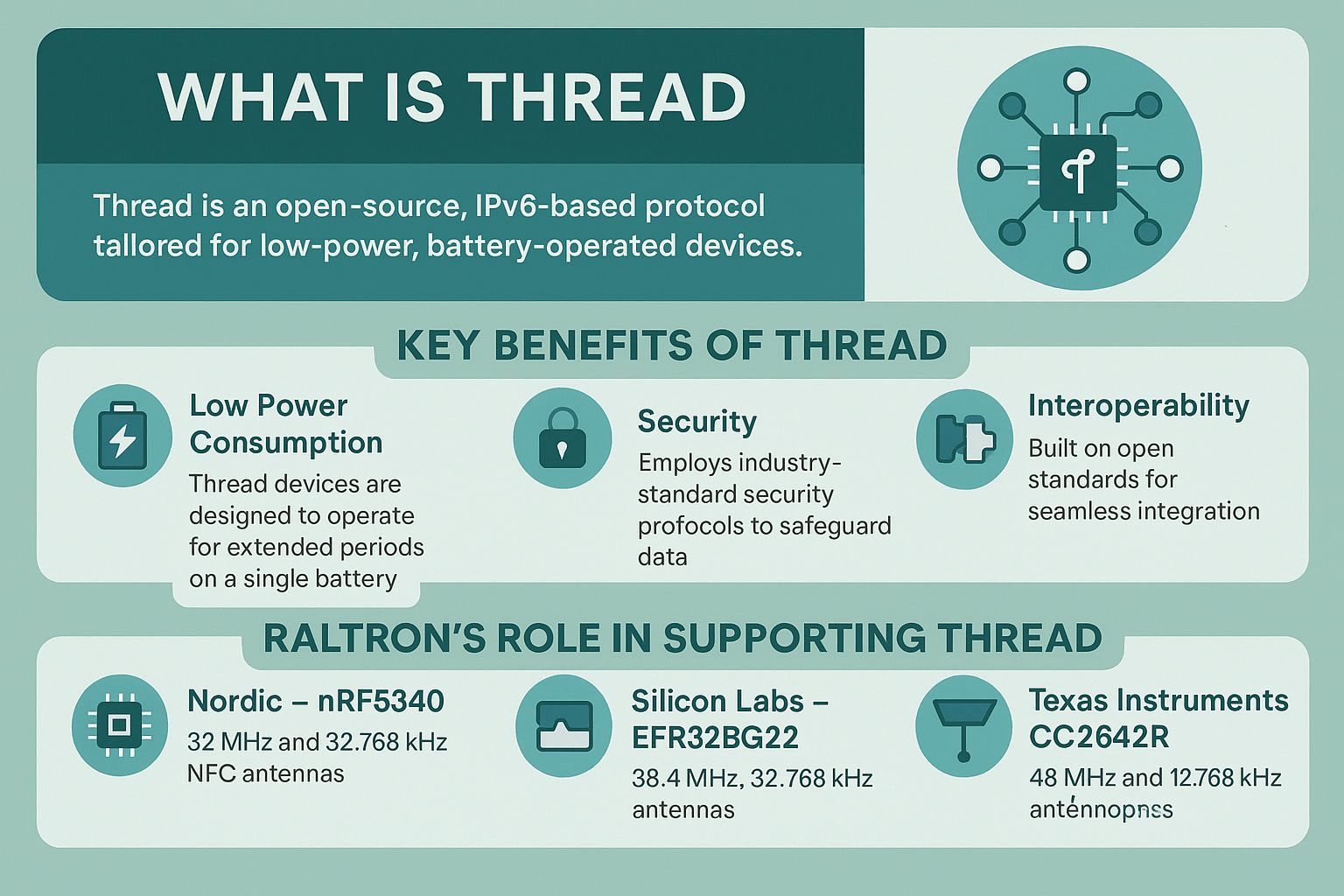
Thread is an open-source, IPv6-based networking protocol specifically designed to address the unique demands of the Internet of Things, particularly for low-power, battery-operated devices. It provides a robust, self-healing mesh network for reliable and secure communication between devices without relying on a central hub.
Open-Source Foundation
One of Thread’s most compelling attributes is its open-source nature. Developed by the Thread Group, an industry consortium founded by leading technology companies, Thread benefits from collective expertise and transparent development. This fosters innovation, encourages broader adoption, and ensures that the protocol remains adaptable to evolving industry needs. The open-source model also promotes interoperability, as manufacturers can openly implement and integrate Thread into their devices without proprietary licensing restrictions.
IPv6-Based Architecture
At its core, Thread leverages IPv6, the latest version of the Internet Protocol. This is a crucial design decision that provides several significant advantages for IoT.
Native IP Connectivity
By being IPv6-based, Thread devices are natively IP addressable. This eliminates the need for application layer gateways to translate between proprietary protocols and IP, simplifying network architecture and enabling seamless integration with existing IP networks, cloud services, and mobile devices. This direct IP access greatly enhances interoperability and reduces development complexity.
Scalability and Future-Proofing
IPv6 offers an astronomically large address space, virtually limitless for the foreseeable future. This inherent scalability is vital for IoT deployments, where billions of devices are expected to come online. Furthermore, building on an established internet standard like IPv6 future-proofs Thread, ensuring its compatibility with future internet technologies and preventing vendor lock-in.
Designed for Low-Power, Battery-Operated Devices
Many IoT applications, from smart door locks to environmental sensors, are powered by batteries. Minimizing power consumption is critical for extending battery life, reducing maintenance costs, and enabling truly autonomous operation. Thread was engineered from the ground up with this principle in mind.
Energy Efficiency
Thread employs efficient communication mechanisms that minimize radio-on time, a major drain on battery power. It utilizes short data packets and optimized routing algorithms to transmit information quickly and efficiently. This enables Thread devices to operate for extended periods—often for years—on a single battery, drastically reducing operational overhead.
Mesh Network Topology
Thread networks are built on a self-healing, self-forming mesh topology. In a mesh network, devices can communicate directly with each other or relay messages through intermediate devices, extending the network’s range and improving its robustness. If one device in the mesh fails or goes offline, data can reroute through other available paths, ensuring continuous connectivity. This inherent redundancy and fault tolerance significantly enhance network reliability, especially in challenging environments.
Key Benefits of Thread That Stand Out
The strategic design choices behind Thread translate into a powerful set of benefits that make it an ideal choice for a wide range of IoT applications.
Low Power Consumption
As highlighted, low power consumption is a foundational pillar of Thread. Devices designed for Thread are optimized to operate for extended periods on a single battery.
Extended Battery Life
This translates directly into significantly longer battery life for end devices. For example, a Thread-enabled sensor might operate for several years before needing a battery replacement, compared to just months or even weeks for devices using more power-intensive protocols. This is particularly crucial for large-scale deployments where manual battery replacement would be impractical and cost-prohibitive.
Reduced Maintenance Costs
Longer battery life directly correlates with reduced maintenance costs. Fewer battery changes mean less labor, fewer replacement parts, and less disruption to operations. This contributes to a lower total cost of ownership (TCO) for IoT solutions built on Thread, making them more economically viable for wide-scale adoption.
Sustainable IoT Deployments
Beyond economic benefits, low power consumption contributes to more sustainable IoT deployments. By minimizing energy usage at the device level, Thread helps to reduce the overall environmental footprint of connected systems, aligning with global efforts towards energy efficiency and green technology.
Security
In the age of pervasive connectivity, security is not just an add-on; it is a fundamental requirement. Thread prioritizes robust security from the ground up, employing industry-standard security protocols to safeguard data and devices.
End-to-End Encryption
Thread networks implement strong end-to-end encryption for all communications. This ensures that data transmitted between devices and across the network remains confidential and protected from eavesdropping and tampering.
Device Authentication
Every new device attempting to join a Thread network must undergo a secure authentication process. This prevents unauthorized devices from gaining access to the network, mitigating the risk of malicious intrusions. The provisioning process is designed to be user-friendly yet highly secure, often involving cryptographic keys to establish trust.
Secure Commissioning
The commissioning process, where devices are added to the network, is also secured. Thread uses robust cryptographic methods to ensure that only authorized devices can join the network, preventing rogue devices from compromising the system. This multi-layered security approach provides a high degree of protection against common cyber threats, which is critical for sensitive applications in smart buildings and industrial IoT.
Interoperability
The fragmentation of IoT ecosystems has been a significant hurdle to widespread adoption. Thread addresses this by being built on open standards, fostering smoother integration across various platforms and ecosystems.
Open Standards Approach
Thread’s commitment to open standards is a game-changer for interoperability. By adhering to established and widely accepted internet engineering principles, it allows devices from different manufacturers to communicate seamlessly within the same network. This avoids vendor lock-in and promotes a competitive market for Thread-enabled products.
Google Home and Apple HomeKit Integration
Thread’s interoperability extends to popular smart home ecosystems. Both Google Home and Apple HomeKit (via Matter) have embraced Thread as a foundational communication protocol. This means that Thread devices can easily integrate into these environments, providing a unified and consistent user experience across a diverse range of smart home products. This level of broad ecosystem support is crucial for accelerating real-world adoption and making smart technology more accessible to consumers.
Matter: The Unifying Protocol
The Matter standard, backed by a wide array of industry giants, builds upon Thread as its network layer. Matter aims to be the open-source connectivity standard for smart home devices, allowing them to communicate seamlessly regardless of brand or ecosystem. By being a core component of Matter, Thread is positioned as a critical enabler of truly interoperable smart devices, simplifying complex setups and enhancing the user experience.
The Practical Angle: Why Ecosystems Matter
While the technical specifications of Thread are impressive, its real-world impact is amplified by the strong support it receives from leading silicon providers and technology companies. Ecosystems play a pivotal role in accelerating adoption and reducing time-to-market for products that demand dependable connectivity.
Broad Industry Support
The fact that major players in the semiconductor industry are developing and providing Thread-compatible hardware is a testament to the protocol’s growing importance. This broad industry support ensures a healthy supply chain of components, robust development tools, and extensive customer support, making it easier for developers and manufacturers to incorporate Thread into their products.
Nordic Semiconductor (nRF5340)
Nordic Semiconductor, a leader in low-power wireless solutions, offers the nRF5340 System-on-Chip (SoC) for Thread applications. This highly integrated, low-power dual-core SoC is ideal for complex IoT products, providing ample processing power for sophisticated applications while maintaining energy efficiency. Its support for 32 MHz and 32.768 kHz NFC antennas further enhances its versatility for various IoT use cases, including those requiring near-field communication.
Silicon Labs (EFR32BG22)
Silicon Labs, another key innovator in wireless technology, provides the EFR32BG22 family of SoCs, which are optimized for Thread, Bluetooth Low Energy, and Zigbee applications. These highly integrated devices offer excellent power efficiency and radio performance, making them suitable for battery-powered IoT devices where long range and reliable connectivity are critical. With support for 38.4 MHz and 32.768 kHz antennas, the EFR32BG22 enables flexible designs for a wide array of IoT products.
Texas Instruments (CC2642R)
Texas Instruments (TI) contributes to the Thread ecosystem with its CC2642R microcontroller. This device is part of TI’s SimpleLink™ microcontrollers, known for their ultra-low-power consumption and robust wireless connectivity. The CC2642R is a flexible, highly integrated device that supports multiple wireless protocols, including Thread, making it an excellent choice for a variety of IoT applications. Its 48 MHz and 12.768 kHz antenna support further exemplifies its adaptability in diverse deployment scenarios.
Advantages of Ecosystem Support
The collaboration and support from these silicon providers and others in the Thread Group deliver several crucial benefits:
- Accelerated Development: Manufacturers have access to mature development kits, software stacks, and technical documentation, significantly shortening the development cycle for Thread-enabled products.
- Reduced Risk: A well-established ecosystem reduces the technical and business risks associated with adopting a new technology. Developers can rely on proven hardware and software,
- Wider Product Availability: The availability of Thread-compatible chips from multiple vendors encourages a broader range of Thread-enabled products to enter the market, fostering competition and innovation.
- Expertise and Resources: The collective expertise of the Thread Group and its members provides a rich pool of resources, including technical forums, training materials, and support channels, to assist developers and integrators.
Thread vs. Zigbee vs. Wi-Fi: Making the Right Choice for Your Next Deployment
Choosing the right wireless protocol is a critical decision that impacts the performance, scalability, cost, and longevity of any IoT deployment. While Thread offers compelling advantages, understanding its relative strengths and weaknesses compared to established alternatives like Zigbee and Wi-Fi is essential for making an informed choice.
Understanding the Trade-offs
Each protocol is optimized for different use cases, and there’s no one-size-fits-all solution. The “best” protocol depends on your specific application requirements, including data rate, range, power consumption, network size, and interoperability needs.
Wi-Fi: The High-Bandwidth Powerhouse
- Strengths: High data rates, wide availability in existing infrastructure, suitable for streaming and high-bandwidth applications, direct IP connectivity.
- Weaknesses: High power consumption, can suffer from congestion with many devices, higher hardware cost for embedded devices.
- Best for: Devices requiring high throughput (e.g., security cameras, smart TVs), applications with constant power supply, integration with existing Wi-Fi networks.
- Example Applications: Video surveillance, smart appliances, entertainment systems.
Zigbee: The Established Low-Power Mesh
- Strengths: Low power consumption, robust mesh networking capabilities, well-established in smart home applications.
- Weaknesses: Proprietary application layer (often requires a gateway for IP integration), potential interoperability challenges between different vendor ecosystems, not natively IP addressable.
- Best for: Small to medium-sized low-power networks, smart home lighting and control, where a gateway is acceptable.
- Example Applications: Smart lighting systems, smart thermostats, home security sensors.
Thread: The Future-Proof, IP-Based Mesh
- Strengths: Extremely low power consumption, robust and self-healing mesh networking, native IPv6 connectivity, strong security, open standard, direct integration with Matter.
- Weaknesses: Newer protocol (though rapidly gaining traction), requires an ‘edge router’ (Thread Border Router) to connect to the wider internet (though this is increasingly integrated into existing devices).
- Best for: Large-scale, low-power deployments in smart buildings, retail, industrial IoT, applications requiring long battery life, high security, and seamless IP integration, future-proofing through Matter compatibility.
- Example Applications: Smart building sensors (occupancy, temperature, air quality), asset tracking in retail, energy management systems, industrial control, smart door locks, smart smoke detectors.
Selecting the Right Protocol for Your Vertical
The choice between Thread, Zigbee, and Wi-Fi becomes clearer when considering the specific demands of different IoT verticals.
Smart Buildings
For smart buildings, the combination of a vast number of devices, the need for long battery life, robust security, and seamless integration with building management systems (BMS) makes Thread an exceptionally strong contender.
- Environmental Sensors: Occupancy, temperature, humidity, and CO2 sensors can run for years on batteries, feeding data into a central system without constant human intervention.
- Smart Lighting: Individual light fixtures and controls can form a Thread mesh, offering granular control and ensuring redundancy.
- Access Control: Smart locks and access readers benefit from Thread’s security and low-power capabilities.
- Energy Management: Devices for monitoring and optimizing energy consumption across a building can leverage Thread’s efficiency and scalability.
While Wi-Fi might be used for high-bandwidth applications like video intercoms, and Zigbee for smaller, localized smart home integrations within a larger building, Thread’s native IP capabilities and Matter support make it ideal for the overarching, scalable smart building infrastructure.
Retail Digitization
In retail environments, IoT can revolutionize inventory management, customer experience, and operational efficiency. Thread is well-suited for many of these applications.
- Asset Tracking: Low-power Thread tags can track inventory, shopping carts, or even staff, providing real-time location data without frequent battery changes.
- Environmental Monitoring: Sensors for temperature, humidity, and air quality can ensure optimal conditions for products and customers.
- Smart Shelves: Sensors on shelves can monitor stock levels, triggering reorders or highlighting misplaced items.
- Proximity Marketing: Beacons using Thread can deliver personalized content to customers via their smart devices, enhancing the in-store experience.
Wi-Fi might handle customer-facing internet access or high-speed data transfer from POS systems, but the sheer volume of low-power sensors in a large retail space points towards Thread as the preferred networking solution for underlying IoT infrastructure.
Multi-Site Energy Management
Managing energy across multiple, geographically dispersed sites presents unique challenges, particularly concerning connectivity, data aggregation, and cost. Thread offers compelling advantages here.
- Distributed Sensor Networks: Deploying thousands of energy meters, sub-meters, and environmental sensors across numerous sites becomes economically feasible with Thread’s low power consumption and robust mesh capabilities.
- Reliable Data Backhaul: Thread networks can reliably collect data from these distributed sensors and aggregate it through border routers to a central cloud platform for analysis and optimization.
- Scalability: As more sites and energy points are brought online, Thread’s IPv6-based architecture ensures that the network can scale without encountering IP address limitations or performance bottlenecks.
- Remote Monitoring and Control: The secure, IP-based nature of Thread allows for secure remote monitoring and even control of energy assets, optimizing consumption and reducing operational costs.
In these scenarios, Wi-Fi would be too power-intensive and potentially unreliable over large areas, while Zigbee would require complex gateway infrastructures at each site. Thread offers a more streamlined, scalable, and cost-effective approach.
The Role of Thread Border Routers
While Thread creates a robust local mesh network, devices within this network typically need to communicate with the broader internet, cloud services, and mobile applications. This is where the Thread Border Router comes into play.
Bridging the Gap to the Internet
A Thread Border Router acts as a gateway, translating communications between the Thread network and a Wi-Fi or Ethernet network connected to the internet. It provides critical services such as:
- IP Routing: Assigns IPv6 addresses to Thread devices and routes IP packets between the Thread network and the internet.
- Service Discovery: Allows devices on the Thread network to discover and communicate with services on the local Wi-Fi/Ethernet network and vice versa.
- Security: Facilitates secure communication between the Thread network and the internet, often integrating with existing network security policies.
Seamless Integration and Accessibility
The good news is that Thread Border Router functionality is increasingly being integrated into common smart home devices, such as Wi-Fi routers, smart speakers, and smart displays. This makes setting up and managing a Thread network much simpler for end-users, as they may already own devices that can act as border routers. This seamless integration lowers the barrier to entry for Thread, accelerating its adoption in both consumer and commercial markets.
Thread in the Era of AI and Edge Computing
The convergence of IoT with Artificial Intelligence (AI) and Edge Computing further amplifies Thread’s importance. As more intelligence moves closer to the data source (the “edge”), reliable and efficient connectivity becomes even more critical.
Facilitating Edge Intelligence
Thread’s low-latency, resilient mesh network is ideal for transporting data from sensors to edge computing devices. These edge devices can then perform local data processing, analysis, and even AI-driven decision-making, reducing reliance on cloud resources and improving response times.
- Real-time Analytics: In a smart factory, Thread can connect vibration sensors on machinery to an edge gateway that uses AI to detect anomalies and predict maintenance needs in real-time.
- Local Automation: In a smart building, Thread-connected occupancy sensors can feed data to a local edge controller that automatically adjusts lighting and HVAC based on real-time occupancy patterns.
Optimizing Cloud Interactions
While edge computing handles immediate tasks, cloud platforms remain essential for long-term data storage, complex analytics, and sophisticated AI model training. Thread’s native IPv6 connectivity simplifies the secure and efficient transfer of aggregated and pre-processed data from the edge to the cloud, forming a seamless data pipeline. This hybrid approach – leveraging both edge and cloud – maximizes the value derived from IoT data, and Thread is a key enabler of this architecture.
The Developer and Integrator Perspective: Building with Thread
For developers and system integrators, working with Thread offers several advantages that streamline the development process and enhance the robustness of their solutions.
Simplified Network Management
Thread networks are designed to be self-configuring and self-healing. This means less manual configuration and fewer troubleshooting headaches. Devices automatically join the network, find the best routes for data transmission, and adapt to changes in network topology (e.g., a device going offline). This “set it and forget it” nature reduces operational complexity, especially for large-scale deployments.
Robustness and Reliability
The mesh network topology of Thread inherently provides redundancy. If one path fails, another is automatically established, ensuring high reliability. This is crucial for mission-critical applications where network downtime can have significant consequences. The IPv6 foundation also contributes to a more stable and predictable networking environment.
Future-Proof Scalability
Designing IoT solutions with Thread provides inherent scalability. As projects grow and more devices are added, the Thread network can expand seamlessly without needing a complete overhaul of the underlying infrastructure. The almost limitless IPv6 address space ensures that the network will not run out of addresses, even with billions of connected devices. This long-term scalability makes Thread a wise investment for future-oriented IoT strategies.
Ecosystem and Tooling
The robust ecosystem provided by the Thread Group and its member companies (like Nordic, Silicon Labs, and Texas Instruments) offers a wealth of development tools, software development kits (SDKs), and reference designs. These resources accelerate the development process, allowing engineers to focus on application-specific innovation rather than reinventing the networking layer. The availability of open-source software stacks further empowers developers and fosters a collaborative environment.
Conclusion: Threading the Future of IoT
The future of smart buildings and IoT isn’t just about the proliferation of sensors; it’s about how reliably and intelligently they connect. Thread emerges as a powerful, open-source, and future-ready solution that addresses the critical connectivity challenges of modern IoT. Its focus on low power consumption, robust security, and unparalleled interoperability through an IPv6-based, self-healing mesh network makes it an indispensable protocol for scalable and sustainable IoT deployments.
From extending battery life and reducing maintenance costs to enabling seamless integration across diverse ecosystems through Matter, Thread offers a compelling value proposition. Its strong industry backing from silicon heavyweights like Nordic Semiconductor, Silicon Labs, and Texas Instruments further cements its position as a cornerstone technology.
Whether you are working on designing the next generation of smart buildings, digitizing retail operations, or optimizing multi-site energy management, understanding and leveraging Thread is crucial. It represents a significant leap forward in enabling truly reliable, secure, and scalable IoT solutions that can unlock unprecedented levels of efficiency, intelligence, and comfort.
Embrace the future of reliable IoT connectivity.
If you’re ready to explore how Thread can transform your connected solutions and bring your IoT vision to life, we invite you to connect with our experts. Discover how we can help you navigate the complexities of IoT and build robust, scalable, and secure systems that leverage the power of Thread.
Act now to future-proof your IoT deployments. Send an email to info@iotworlds.com to start the conversation today!
